Understanding Montessori Education
Parents and educators worldwide often find themselves searching for resources to guide them in the realm of early childhood education, especially regarding the “Montessori near me” or “Montessori school near me” queries. Recognizing this need, our website provides a Montessori locator tool to assist parents in finding local Montessori environments, including direct examples from our platform like https://montessorimaria.com/en/montessori-near-me and https://montessorimaria.com/en/montessori-school-terni-umbria-471. Montessori education, founded by Dr. María Montessori, emphasizes autonomy, hands-on learning, and respect for a child’s natural development. For a deeper understanding of this transformative approach, check out our guía completa sobre la pedagogía Montessori.
Creating a Montessori Home Environment
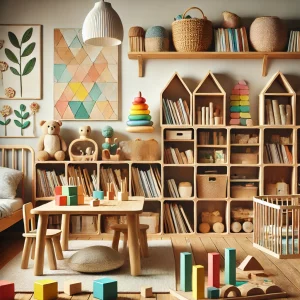
A Montessori-inspired home allows children to explore independently. This independence is crucial; hence, it’s essential to adapt your living space to foster these capabilities. For instance, consider transforming your kitchen into a child-friendly area where little ones can help with simple tasks. A lower shelf stocked with unbreakable bowls, utensils, and healthy snacks empowers children to make choices and practice practical life skills.
Concrete Examples in the Home
One practical example is a family that sets up a “Montessori kitchen” with a small table and chair at child height. This setup allows the child to wash fruits and vegetables, prepare simple snacks, and even pour water into their own cup. By creating this space, parents not only promote independence but also instill confidence and responsibility. An introduction to the Montessori pedagogy can help parents understand how to implement these principles effectively at home.
Fostering a Montessori School Environment
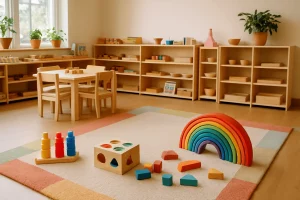
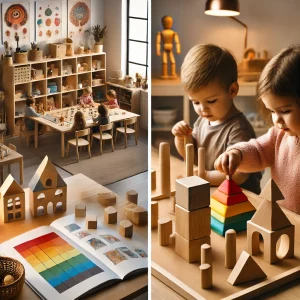
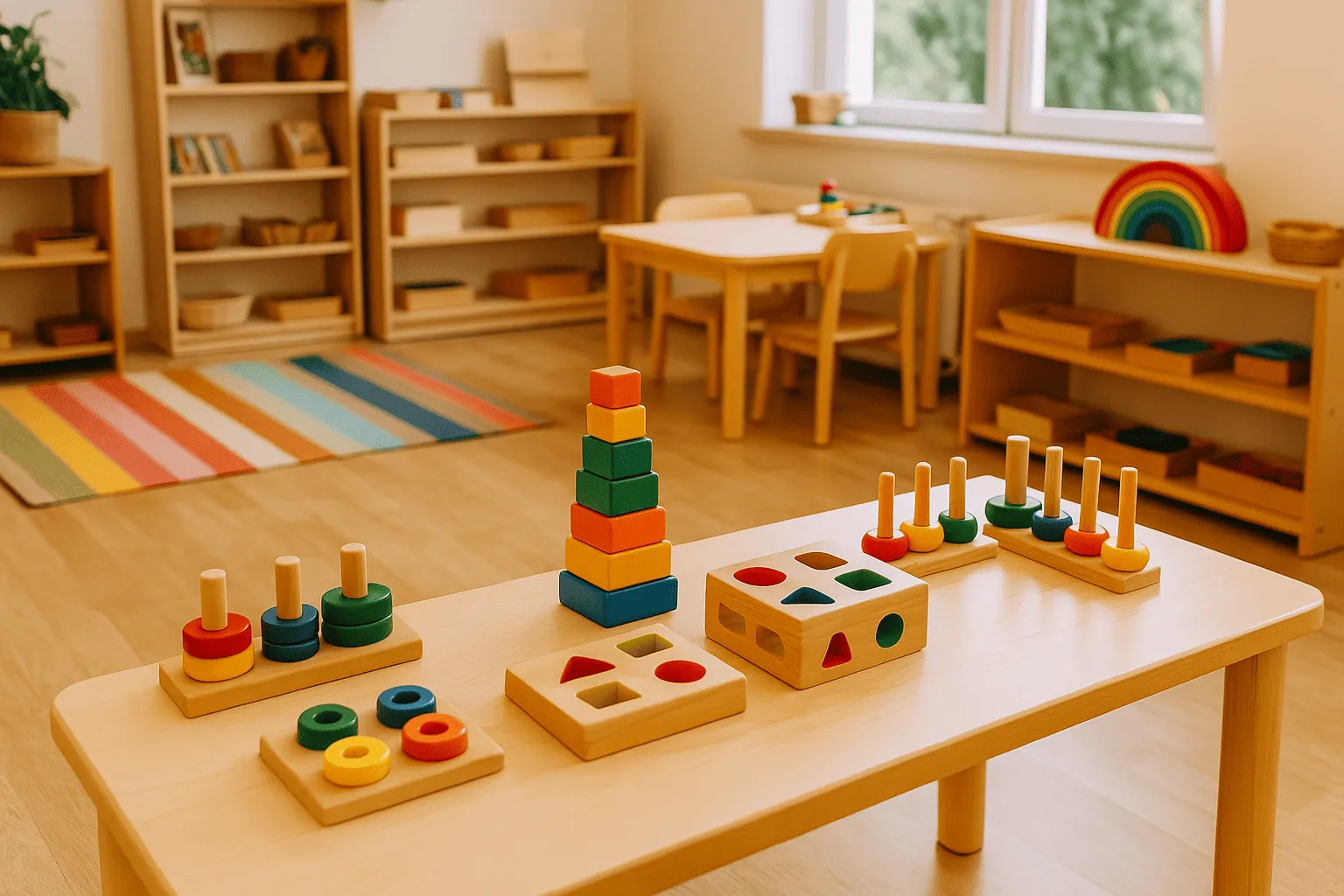
In the Montessori school environment, educators play a pivotal role in guiding students through self-directed learning. This approach encourages teachers to create an inviting classroom that nurtures curiosity and emotional growth. A typical Montessori classroom contains child-sized furniture and open spaces that encourage collaborative learning while allowing students to select activities that interest them.
Concrete Examples in the School
For instance, a teacher might adapt the shelves in the classroom to ensure materials are within reach, showcasing lessons that promote independence in selecting tasks. When children can access materials easily, they can engage in self-directed learning and develop critical thinking skills. For example, when a student chooses to work with a math manipulative independently, they are not only learning math concepts but also honing self-regulation skills.
Emotional Development through Montessori Practices
One of the core principles of Montessori education is fostering emotional intelligence from a young age. This development happens through a respectful approach to personal growth and social interactions. By encouraging children to express their feelings and resolve conflicts calmly, Montessori educators guide them in developing empathy and effective communication skills.
Concrete Examples of Emotional Development
A powerful example is when a teacher witnesses a disagreement among students over sharing materials. Instead of stepping in immediately, the teacher might gently encourage the children to articulate their feelings and suggest solutions themselves. This process not only resolves the conflict but also shapes their ability to manage emotions healthily, contributing to their overall emotional development.
The Role of the Montessori Maria Platform and AI Assistant MarÍA
To support parents and educators in their Montessori journey, the Montessori Maria platform and its AI assistant MarÍA offer valuable resources and guidance. Whether you’re looking for tips on implementing Montessori practices at home or insights into the pedagogy’s efficacy, MarÍA is a tool designed to empower users with the knowledge they need. Understanding the Montessori method can prepare you to better support your child during their educational journey.
Conclusion
Montessori education is a transformative approach that emphasizes independence, emotional growth, and self-direction. By actively engaging in creating a Montessori home and school environment and understanding the emotional development aspects, parents and educators can provide better support for children in their learning. Utilize resources such as the understanding Montessori: a parent’s guide and the many articles available on our website, including this comprehensive guide. The journey through Montessori education begins with you!