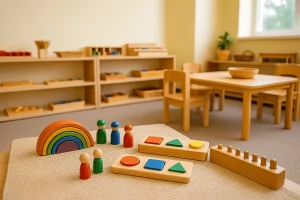
The Search for Montessori Education
In today’s educational landscape, many families find themselves searching for “Montessori near me” or “Montessori school near me” as they seek quality guidance and support for their children’s development. At the Montessori Maria website, we provide a Montessori locator that helps families find local Montessori schools, along with helpful guides to better understand the Montessori philosophy. If you’re curious about Montessori education, be sure to check out our Montessori locator and resources.
A Brief Biography of Maria Montessori
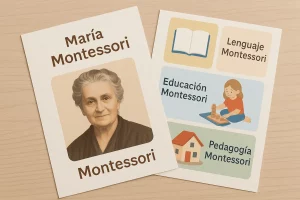
Maria Montessori was born on August 31, 1870, in Chiaravalle, Italy. She became the first woman in Italy to graduate as a physician, and her medical background profoundly influenced her educational philosophy. Montessori observed children in their environments, noting how they interacted with their surroundings and each other. In 1907, she opened her first school, Casa dei Bambini (Children’s House), in Rome, where she implemented her innovative educational approach. Montessori believed in treating children as active participants in their own learning, emphasizing independence and self-directed activity. Today, her method is recognized globally, and educators and parents alike are interested in how to incorporate the Montessori method into their practices.
Implementing Montessori Principles in the Classroom
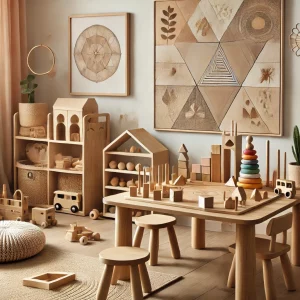
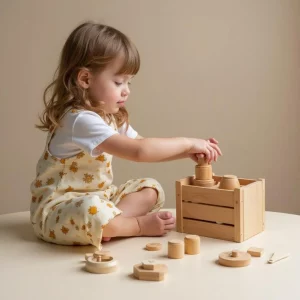
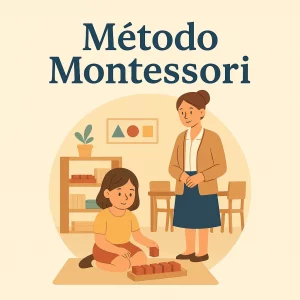
One real-life example of implementing Montessori principles can be seen in a teacher who decided to reorganize her classroom to facilitate a more child-centered learning environment. Instead of traditional rows of desks, she set up different learning stations with age-appropriate materials. Students were encouraged to choose their activities based on their interests, whether it was working with sandpaper letters, exploring nature, or engaging in practical life skills like pouring water. This type of setting promotes independence and allows for individualized learning experiences. For more insights into these principles, parents and educators can explore resources on pedagogía Montessori.
The Home Environment
Parents also play an essential role in applying Montessori principles in their homes. Consider the example of a parent preparing their child’s room for greater independence. The parent removes unnecessary furniture and organizes materials so that the child can easily access books, toys, and learning tools. They may also designate a space where the child can engage in practical life skills, such as a small kitchen corner to help with food preparation. The key is to create an environment that fosters exploration, allowing children to learn and grow at their own pace.
Further Exploring Montessori Education
To gain a deeper understanding of Maria Montessori’s legacy and teachings, it is beneficial to read about her contributions to education through resources available on our website. Understanding her life’s work can provide valuable background for parents and educators alike. Check out María Montessori y su legado for a comprehensive overview.
Teaching Strategies
Montessori’s teaching strategies center around the idea of guiding rather than instructing. For instance, instead of directly answering a child’s question, a Montessori educator might lead the child to explore the answer through hands-on experience or peer collaboration. This method fosters critical thinking and problem-solving skills, essential traits for lifelong learning. Further understand the Montessori method and its impact on educational outcomes.
The Role of Community in Montessori Education
The Montessori community often plays a significant role in supporting families and educators. Families benefit from connecting with other Montessori families for shared experiences and resources. Educators can find mentorship and professional development opportunities within the community. Using our website, parents can easily find connections and resources they need, especially for those who search for Montessori near me.
Using Technology Wisely
In the digital age, technology can be a useful tool within a Montessori framework, provided it is carefully integrated. Educators can incorporate technological resources that encourage collaboration and creativity without overshadowing hands-on learning experiences. For example, interactive educational games can nurture problem-solving skills, while digital storytelling platforms allow children to express their creativity. This modern approach aligns with Maria Montessori’s philosophy of preparation for life while embracing new learning modalities.
Resources for Further Learning
For those wanting to delve deeper into the Montessori approach, the Montessori Maria website offers an array of articles and educational materials. New articles are published regularly, covering various aspects of Montessori education. Recent articles that could be beneficial include guides on understanding Montessori education for parents and teachers, practical tips for classroom use, and insights into Montessori philosophy.
Our AI Assistant MarÍA
To help navigate the wealth of information available on the Montessori method, we also have an AI assistant named MarÍA available on the Montessori Maria website. MarÍA can guide users through resources and provide personalized recommendations based on specific questions or interests.
Conclusion
As parents and educators explore Montessori education, understanding its principles and practices is vital for creating environments that nurture independence, self-discovery, and a love of learning. Through practical applications at home and in schools, as well as embracing community resources and technology, the Montessori philosophy continues to inspire countless families worldwide. Connect with your local Montessori community today and discover the profound impact this educational approach can have on your child’s growth. Start your journey by finding resources and schools near you or by exploring further links provided, such as Understanding Montessori: A Comprehensive Guide or Understanding Montessori Education.