Introduction to Montessori Education
As parents and educators, we all want the best for our children. Today, many families are searching for educational alternatives that promote independence, creativity, and critical thinking. This is why phrases like “Montessori near me” or “Montessori school near me” are consistently searched worldwide. Montessori education offers a unique approach that nurtures a child’s natural instincts and promotes holistic development. In this guide, we will explore the different environments of Montessori education, including home and school settings, and the emotional development that comes from this transformative educational philosophy. For those interested in finding Montessori options nearby, be sure to visit our Montessori locator tool.
Home Environment
A Montessori-inspired home environment plays a crucial role in nurturing a child’s development. The key is to design spaces that encourage independence and self-directed learning. This can begin with something as simple as creating a Montessori-inspired kitchen area. Imagine a space where child-sized utensils, plates, and cooking tools are accessible to kids. Allowing children to take part in meal preparation fosters not only practical skills but also confidence in their capabilities.
Creating a Montessori-Inspired Kitchen
In a Montessori kitchen, the organization is essential. For instance, placing ingredients in transparent containers allows children to see what they are using, adding to their sense of control and involvement. This sets a foundation for understanding nutrition and responsibility. Similarly, parents can adapt their living spaces by incorporating low shelves filled with books and easily accessible materials, promoting a culture of exploration and love for learning.
Encouraging Independence
Another example of fostering a Montessori home environment is through autonomy in daily tasks. For instance, teaching children to dress themselves by providing a designated area with clothing options at their height can significantly enhance their sense of self. Not only do they learn practical skills, but they also gain confidence and self-reliance, essential attributes for their overall growth.
School Environment
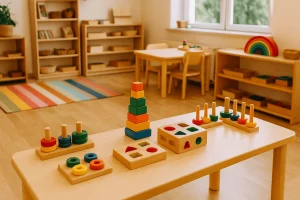
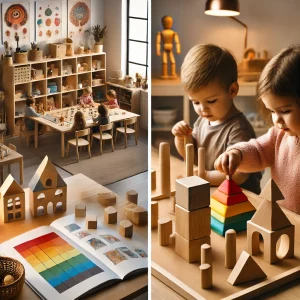
The school environment in a Montessori setting plays a pivotal role in extending the values learned at home. In Montessori schools, classrooms are thoughtfully designed to facilitate freedom and structure. For example, teachers adapt the classroom shelves with materials accessible to students. This allows children to choose their activities according to their interests and pace, which greatly enhances their engagement and ownership of learning.
Teacher’s Role in the Classroom
A Montessori teacher acts as a guide rather than a traditional instructor. For instance, when a child shows interest in a specific subject, the teacher can tailor their guidance to enrich that exploration. This could involve providing specialized materials or resources that deepen the child’s comprehension and stimulate curiosity. Furthermore, observing how children interact with their surroundings enables teachers to adapt their methods continually, which is essential for fostering an educational atmosphere where each child thrives. Teachers learn how to implement a sensitive and responsive pedagogy, a concept described in the introductory guide to Montessori pedagogy.
Benefits of Self-Regulation
One of the major strengths of Montessori education is promoting self-regulation among students. Children are taught to recognize their emotions and manage them effectively. For example, during a conflict with peers, a Montessori student might be guided to articulate their feelings and collaborate on a solution. This ability to self-regulate not only enhances their interpersonal relationships but also prepares them for future challenges in the social world. Such skills are vital as they transition into adulthood.
Emotional Development
Emotional development in Montessori education is emphasized through interactions with peers and adults in a nurturing environment. The Montessori philosophy is designed to cultivate respect and empathy in students. For instance, group activities encourage teamwork and communication skills, helping children to learn the importance of collaboration.
Developing Empathy through Group Activities
In a Montessori classroom, group projects allow students to work together, respecting each other’s ideas and perspectives. This cooperative learning helps children to develop empathy and understand the importance of listening. An example might be a project where children create a presentation about nature, each contributing their insights. Collaborative work fosters a sense of belonging, which is crucial for emotional wellbeing.
The Role of Reflection
Emotional growth is also supported through reflective practices. Teachers engage students in regular discussions about their experiences and feelings, encouraging them to articulate their emotions. For example, after a group activity, a teacher might facilitate a discussion about what went well, what could have been improved, and how each child felt during the process. This practice helps reinforce self-awareness and accountability and is essential for developing emotional intelligence.
Conclusion
Montessori education is more than just a teaching method; it is a holistic approach that supports the comprehensive development of children. By focusing on fostering independence in the home, creating an engaging school environment, and promoting emotional intelligence, Montessori education offers an essential framework for nurturing well-rounded individuals. As parents and educators explore the possibilities of Montessori education, resources such as the complete guide to Montessori pedagogy can provide valuable insights. To find local Montessori options, don’t forget to use our Montessori locator tool and reach out to the community to learn more about the opportunities available. For additional resources, check out our latest articles at the Montessori Maria platform and see how the AI assistant MarÍA can help you navigate this journey.