Introduction
In today’s fast-paced world, families are increasingly turning to search engines with inquiries such as “Montessori near me” or “Montessori school near me” in hopes of finding the best educational approach for their children. As parents and educators explore options for fostering independence and a love of learning, the Montessori method emerges as a popular choice. For those seeking guidance, our website offers a Montessori locator and helpful resources to aid families in making informed decisions about education.
A Brief Biography of Maria Montessori
Maria Montessori, born in 1870 in Italy, was a physician and educator whose innovative approach to education transformed the way children learn. She was the first woman in Italy to earn a medical degree, which informed her understanding of child development. Her experiences working with children in underprivileged communities led her to develop the Montessori method, focusing on self-directed, hands-on learning and respect for each child’s natural psychological, physical, and social development. Montessori’s work has resonated across generations, establishing a legacy that continues to shape educational practices worldwide. You can explore more about her impact in our article on María Montessori y su legado.
The Montessori Method Explained
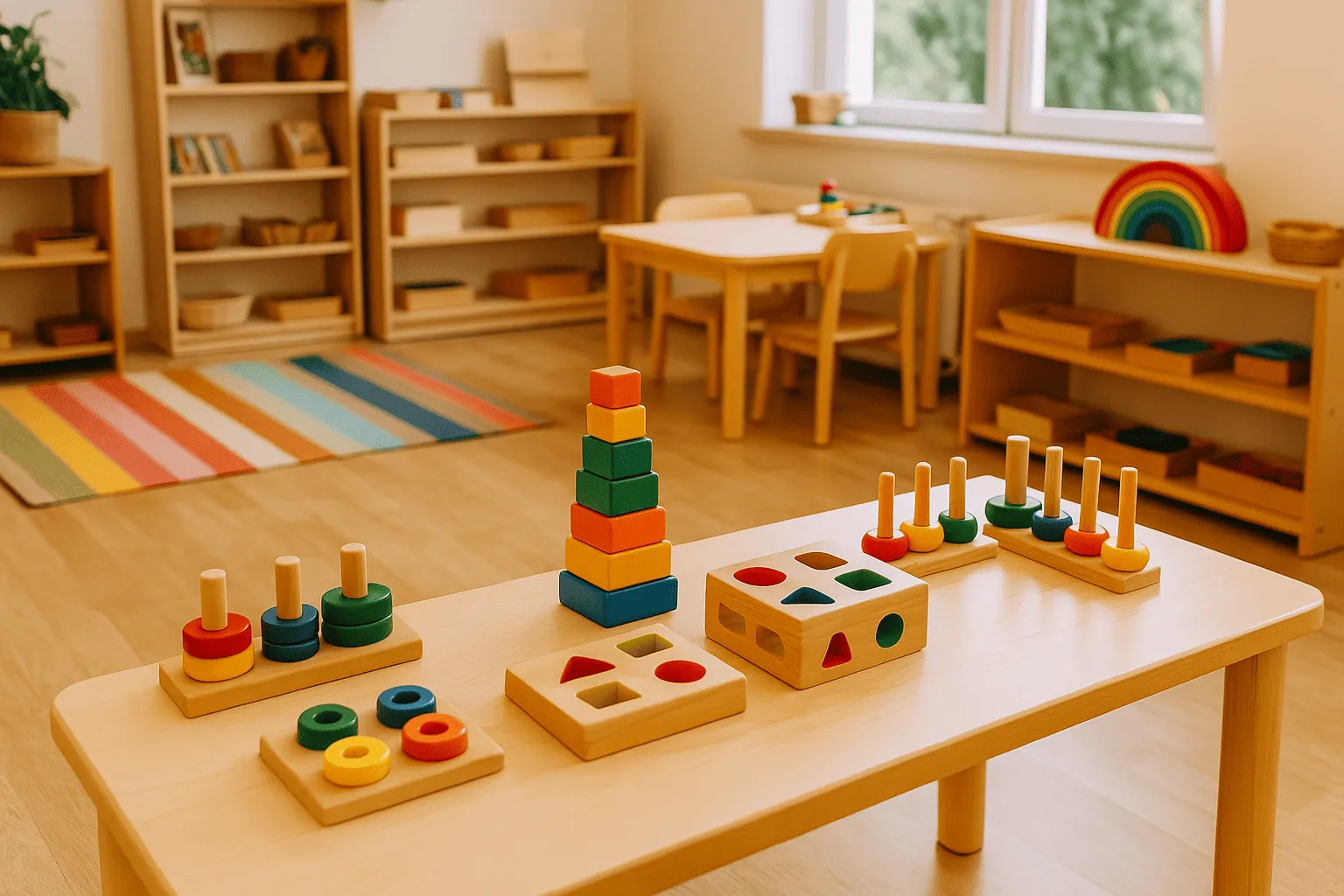
The método Montessori emphasizes child-led learning, where the environment is meticulously prepared to encourage children to explore and engage in activities that interest them. Classrooms are designed to provide freedom within limits, promoting independence and responsibility. The role of the educator becomes that of a guide or facilitator, allowing children to take ownership of their education.
Practical Applications of Montessori Principles
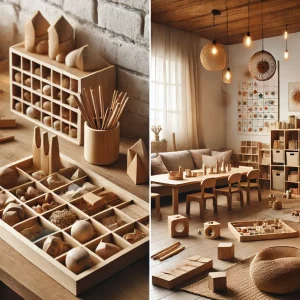
Understanding Montessori principles can lead to transformative changes in both educational settings and home environments. For instance, a teacher might find inspiration from Montessori practices by reorganizing their classroom. Instead of traditional rows of desks facing a blackboard, they might create learning stations with materials that cater to different age groups and learning styles. This setup allows students to choose activities based on their interests, fostering a sense of autonomy.
Creating an Independent Living Space
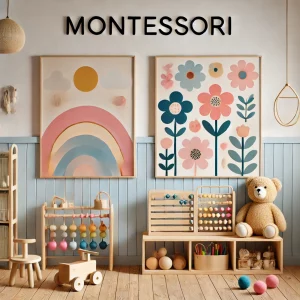
At home, parents can embrace Montessori principles by preparing their child’s living space for independence. This could involve setting up a designated area where children can access their toys and learning materials independently. By arranging items within reach and ensuring they are organized, children learn responsibility and make choices about their play. Simple tasks like dressing themselves become achievable milestones when parents model and encourage these skills.
Understanding Montessori Pedagogy
For those seeking a deeper understanding of how the Montessori approach can enhance learning, our comprehensive guide on pedagogía Montessori provides valuable insights. This guide outlines the key principles and practices that set Montessori apart from traditional education. It emphasizes the importance of tailored educational experiences that respect each child’s unique learning pathway.
AI Assistance on Your Montessori Journey
For families navigating this educational landscape, our AI assistant, MarÍA, can be a valuable resource. By visiting the Montessori Maria website, parents can access tailored guidance based on their unique circumstances and questions about implementing Montessori practices in daily life.
Examples of Montessori in Action
Montessori education is not confined to the classroom; its principles can transform everyday experiences. For example, a group of children in a Montessori classroom might engage in a gardening project, learning about biology, responsibility, and teamwork. Each child participates at their own level, fostering skills that matter well beyond academic achievement.
Community Learning
Educators can further foster a sense of community by integrating family involvement into classroom activities. Organizing days where parents can share their own skills with students reinforces the idea that learning is a lifelong journey. This collaborative environment exemplifies the Montessori ethos of respect for individuality and community contribution.
Connecting with Montessori Resources
With the increasing search for “Montessori near me,” it’s essential to connect with local resources that align with these educational philosophies. Families can explore Montessori programs in their area through our Montessori locator, which helps identify schools and resources nearby. It’s a step that significantly impacts how children experience learning in their formative years.
Embracing a Montessori Mindset
Adopting a Montessori mindset involves understanding the core belief that all children are capable of self-directed learning. Parents and educators alike can benefit from fostering a learning environment that encourages exploration and curiosity. Instead of imposing a rigid structure, it’s about allowing children to thrive in an atmosphere where they feel safe and empowered to make choices.
Concluding Thoughts
In summary, Maria Montessori’s educational philosophy offers invaluable insights for parents and educators striving to nurture independent learners. By implementing Montessori principles both in the classroom and at home, we can prepare children not just for academic success, but for life. Interested readers can delve deeper into the Montessori method through our article on Discovering Maria Montessori and our comprehensive guide tailored for parents and educators. Together, let’s unlock the potential within each child through the transformative power of Montessori education.