Exploring the Montessori Journey
For many families, the journey into the world of Montessori education begins with a simple search: “Montessori near me” or “Montessori school near me.” These queries reflect a desire to find schools that resonate with their educational philosophy and values. Our website offers a global Montessori locator at Montessori near me, where parents can find schools and resources suited to their needs, including specific local examples such as Montessori schools in Oberursel, Germany. As you explore this enriching educational approach, understanding the foundational principles of Montessori pedagogy will deepen your appreciation and effectiveness as a parent, educator, or future teacher.
The Core Principles of Montessori Pedagogy
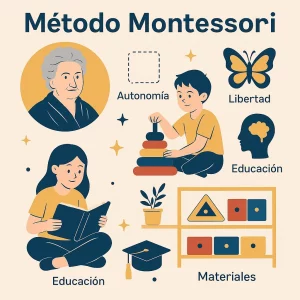
At the heart of Montessorian philosophy are several key pedagogical principles: the prepared environment, autonomy, observation, and sensory learning. Let’s delve into each one and examine how they can be applied in both traditional and Montessori settings.
Prepared Environment
A prepared environment is fundamental in Montessori education. It is designed to facilitate independent learning and exploration. For instance, imagine a traditional classroom transitioning to a Montessori environment. Desks are replaced with low shelves stocked with accessible materials that encourage hands-on engagement. This alteration allows children to pick activities that interest them, enhancing their learning experience. By creating an inviting space, educators set the stage for greater exploration and self-discovery.
Autonomy
Autonomy empowers children to make choices about their learning. In a Montessori classroom, students choose their work and manage their time, promoting a sense of responsibility. Consider a student teacher planning their first Montessori environment: they might encourage autonomy by allowing children to select projects based on personal interests. This approach nurtures a love for learning, as students feel more invested in their educational journey. For further insights, you might find our introduction to Montessori pedagogy enlightening.
Observation
Observation is crucial for understanding a child’s needs, interests, and developmental stage. Montessori educators employ observation to tailor the curriculum to each child’s unique learning style. For example, a teacher might notice a child’s affinity for building and subsequently introduce more complex construction materials. This dynamic approach allows the educator to respond to each child’s evolving interests, providing a more personalized educational experience.
Sensory Learning
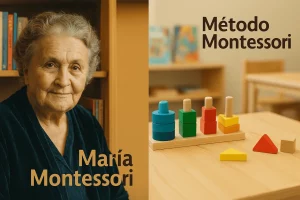
Sensory learning is another vital aspect of Montessori pedagogy. Activities are designed to engage the senses, which enhances the learning process. In a Montessori classroom, materials are often tactile and visually stimulating. For instance, a child learning about shapes might use various geometric solids to explore concepts kinesthetically. This approach solidifies understanding and retention, making learning a multi-dimensional experience. For more comprehensive insights, refer to our complete guide to Montessori pedagogy.
Applying Montessori Principles in Different Settings
The beauty of Montessori pedagogy is its adaptability. Whether you’re a parent looking to implement these principles at home, an educator transforming a classroom, or a student teacher designing your first environment, these concepts can be effectively integrated.
Transforming a Traditional Classroom
To transition from a traditional classroom to a Montessori-inspired space, practitioners can start small. Begin by rearranging the classroom layout to encourage movement and interaction. Introduce sensory materials that align with the curriculum. For example, if studying nature, a collection of leaves, rocks, and flowers can serve as tools for exploration. Additionally, reduce the number of desks and create soft corners filled with cushions and seating options that promote comfort and engagement.
Creating a Montessori Environment as a Student Teacher
As a student teacher, you have the unique opportunity to design a Montessori environment from scratch. Focus on creating a space that is child-centered. Include a variety of learning materials that cater to different developmental stages and learning styles. Emphasize the importance of autonomy by allowing each child to select their activities. This will not only support their individual learning paths but also foster a classroom culture where collaboration and respect for others’ choices are paramount.
Deepening Your Understanding of Montessori
For parents, understanding Montessori pedagogy can enhance your involvement in your child’s education. You can enrich their learning experience at home by applying these principles. This can include creating a prepared environment conducive to exploration, encouraging decision-making, and incorporating sensory activities into daily life. Our website, the Montessori Maria website, offers extensive resources to facilitate your journey.
Recent Articles to Explore
If you’re interested in furthering your knowledge about Montessori education, check out our latest articles:
- The Montessori Method: A Comprehensive Guide for Parents
- Discovering María Montessori: A Comprehensive Guide for Parents and Educators
- The Comprehensive Guide to Montessori Education for Parents and Educators
- Understanding Montessori Pedagogy: A Guide for Parents, Educators, and Teacher Training Students
- Understanding the Montessori Method: A Comprehensive Guide for Parents, Educators, and Teacher Training Students
Conclusion
The journey into Montessori education is an enriching one for both parents and educators alike. By understanding and implementing the principles of Montessori pedagogy, you can provide a nurturing environment that fosters a love of learning and personal growth in children. Remember, each child’s path is unique, and embracing this individuality is central to what it means to be a part of the Montessori community.