The Growing Interest in Montessori Education
In today’s world, many parents are actively seeking educational models that cater to the unique learning styles of their children. One of the most frequently searched phrases online is “Montessori near me” or “Montessori school near me,” showcasing the increasing interest and demand for Montessori education. If you are one of those parents looking to explore the core tenets of Montessori, our website offers a helpful search and guide section to locate Montessori-inspired learning around the world. You can find more information by visiting Montessori near me or explore our example of a fantastic Montessori school located in Terni, Umbria, here.
What is Montessori Education?
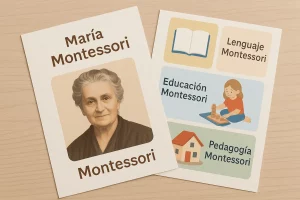
Montessori education, developed by Dr. María Montessori, emphasizes a holistic approach to child development. This educational philosophy nurtures a child’s individuality, promoting independence, self-discipline, and a love for learning. If you’re curious about who María Montessori was and her significant impact on education, check out our detailed section on who was María Montessori.
Core Principles of the Montessori Method
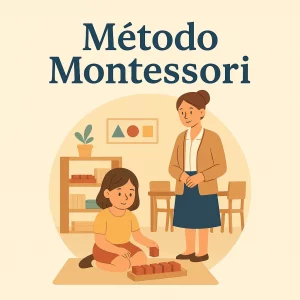
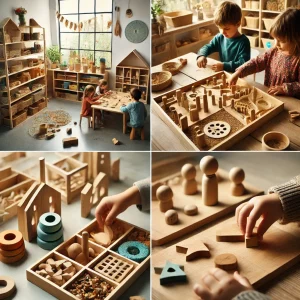
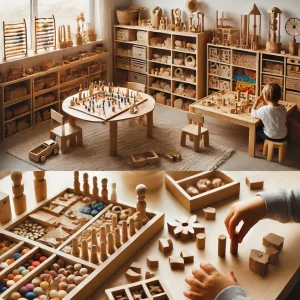
At the heart of the Montessori method is the belief that children learn best in an environment that fosters freedom within limits. This method encourages children to choose their own activities and work at their own pace, allowing them to develop autonomy. As you navigate the idea of enrolling your child in a Montessori program, it’s essential to understand the foundational aspects of the método Montessori. Through specially designed learning materials and a prepared environment, children engage deeply with their learning experiences.
Real-Life Example: Discovering Montessori at Home
Consider the story of the Rodriguez family, who found themselves struggling with their young daughter Lucia’s sudden independence issues. A typical three-year-old, Lucia would often express her desire to do things on her own, resulting in frustration for both her and her parents. After searching for effective educational strategies, they stumbled upon the concept of Montessori. They soon realized that the principles of pedagogía Montessori could be applied at home.
Creating a Montessori Home Environment
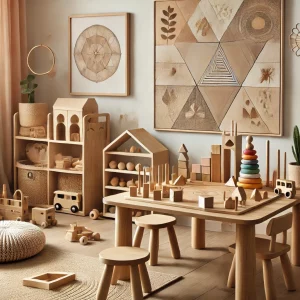
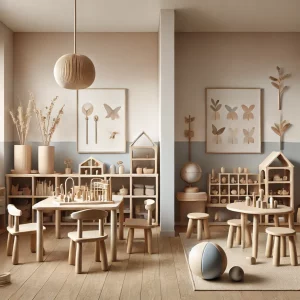
Inspired by their newfound knowledge, the Rodriguez family decided to transform their living space. They created a designated area where Lucia could choose her activities freely, such as reading, crafting, or even preparing simple snacks. The parents realized that by incorporating age-appropriate materials, they could allow Lucia to explore her interests independently. For families looking to replicate such strategies at home, the Montessori Maria website offers insights into fostering a Montessori-inspired environment.
Independence and the Montessori Approach
Through their journey, the Rodriguez family witnessed a remarkable transformation in Lucia’s demeanor. Embracing independence, she felt empowered to try tasks like dressing herself and tidying up her play area. Dr. Montessori believed that children thrive when they are granted the freedom to explore their capabilities, leading to increased self-esteem. If you’re curious about how to facilitate your child’s autonomy effectively, consider reading more about the Montessori philosophy.
Supporting Social Development
Montessori education also emphasizes the importance of social interaction among peers. Children learn to collaborate and communicate effectively in a multi-age classroom setting. They can observe and assist each other, which fosters a sense of community. The Rodriguez family initially feared that Lucia might struggle with sharing and conflict resolution, but they soon discovered how the Montessori method nurtured these critical social skills. By encouraging children to resolve disputes independently and engage in cooperative play, they realized the long-term benefits this educational approach could yield.
The Role of the Montessori Educator
In a Montessori classroom, the teacher acts as a facilitator or guide rather than a traditional instructor. This unique role allows educators to tailor their approach to meet each child’s individual learning needs. This hands-off approach supports the child’s natural curiosity and encourages exploration. If you’re interested in how Montessori teachers foster a supportive and enriching educational environment, you can explore our elaborate guide on understanding the Montessori method further by visiting this link: Understanding the Montessori Method.
Montessori Outside the Classroom
One fundamental aspect of Montessori education is the belief that learning extends beyond the classroom. Families can implement Montessori principles in their daily lives by engaging in practical life activities that enhance both life skills and learning. Cooking, gardening, and shopping can become fantastic opportunities for children to learn responsibility, math, and organizational skills. The Rodriguez family embraced these principles and found that their frequent outings to the grocery store became math lessons as they learned to count money and make decisions about what to buy.
Finding a Montessori School
As parents embark on the journey of education for their children, the quest to find a suitable Montessori school becomes essential. Their search often begins with the common phrases “Montessori near me.” It’s important to thoroughly research schools, visit them, and perhaps even meet with the educators to ensure the school aligns with your educational values. If you’re currently on this journey, take a moment to check out Montessori near me for resources tailored to assist you in locating a reliable Montessori institution.
Utilizing Technology in Montessori Education
In our fast-paced digital world, many parents are curious about the integration of technology into Montessori education. Traditionalists might argue against screen time, yet some modern Montessori environments incorporate technology in ways that promote interactive learning. Tools like educational apps and online resources can complement physical materials while maintaining the essence of self-directed learning.
The Future of Montessori Education
As the awareness of the Montessori method continues to grow, we expect to see an increased number of institutions embracing this child-centric educational philosophy. Montessori’s innovative techniques serve to unlock children’s potential in ways that traditional rote learning often neglects. To stay updated with the latest insights, you can follow detailed articles and guides available on our website, such as Understanding Montessori Pedagogy and Montessori Education: A Comprehensive Guide.
Final Thoughts
Exploring the Montessori method can be an eye-opening experience for many families. As our understanding of child development evolves, letting go of traditional learning models can be challenging, yet enriching. The journey of education should be a shared adventure between parents and children, and Montessori beautifully facilitates this. To enhance your experience, consider using our AI assistant, MarÍA, specifically trained in Montessori methodology. This tool can help answer any questions and guide you through the many nuances of the Montessori approach. For more resources, visit the Montessori Maria website for additional information and support.