Introduction to the Montessori Journey
Many families begin their educational journey by searching for “Montessori near me” or “Montessori school near me.” This search reflects their desire for a nurturing learning environment that fosters autonomy, creativity, and a love for learning. If you’re one of those families, you’re in luck! Our website provides a global Montessori locator at Montessori near me, which can help you find an environment that meets your needs. Additionally, for those in specific locations like Oberursel, Germany, we offer resources such as Montessori opportunities in your area.
Principles of Montessori Pedagogy
Montessori pedagogy is built on core principles that guide the development of children in a nurturing environment. Here, we will explore these principles and provide practical examples to help parents, educators, and teacher-training students understand how to implement them.
Prepared Environment
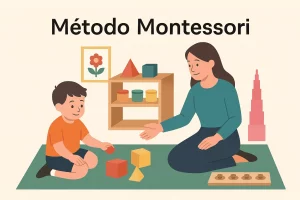
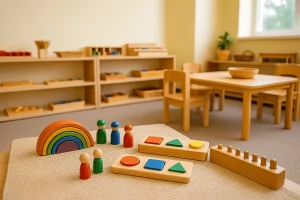
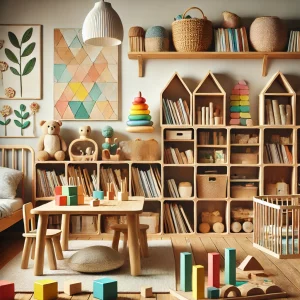
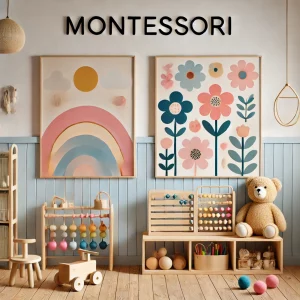
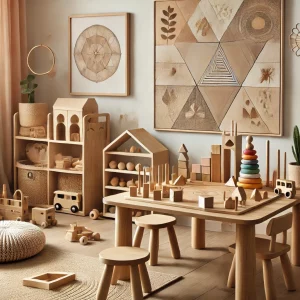
A key aspect of Montessori pedagogy is the prepared environment. This is a carefully arranged space that encourages exploration and learning. It includes materials and activities that are accessible and appropriate for the children’s developmental stages. For instance, consider a traditional classroom where desks are arranged in rows. To adapt this space, a teacher might rearrange the furniture into smaller clusters, creating cozy learning areas with various hands-on materials. This allows students to move around freely and engage with materials at their own pace, facilitating their learning.
Autonomy
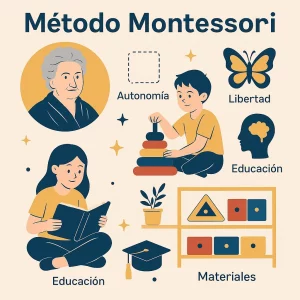
Another essential principle is autonomy. Montessori education values the ability of each child to make choices and pursue their interests. A practical application could involve a student teacher planning their first Montessori environment. Instead of dictating what activities students must complete, they might provide several options—like art, science experiments, or reading challenges. This way, children can choose what resonates with them, reinforcing their sense of independence and encouraging ownership of their learning.
Observation
Observation is crucial in understanding each child’s unique needs and learning styles. An effective Montessori educator spends time watching the students in action, taking notes on their interactions and engagement with the materials. For example, a teacher might observe a child who is particularly fascinated by plant life. The teacher can then introduce additional materials related to botany, such as seeds, soil, and plant-care tools, to cater to that child’s interests and deepen their understanding.
Sensory Learning
Sensory learning is foundational to Montessori education, as it engages children through hands-on experiences. In a traditional classroom, sensory learning may be overlooked. To infuse it into the classroom, a teacher could create a sensory bin filled with rice, beans, and different textures. Students can explore this bin, practicing fine motor skills and enhancing their sensory perception. This kind of learning is vital because it lays the groundwork for cognitive development.
Implementing Montessori Principles in Real-Life Scenarios
As parents, educators, or aspiring educators, understanding these principles is essential. Not only do they inform the structure of a Montessori school, but they also provide guidance on how to apply Montessori methods in various situations.
Transforming a Traditional Classroom
To illustrate the transformation of a traditional classroom, let’s take a closer look at practical changes. A teacher might start by decluttering the space to create a calming environment. Next, they could replace traditional desks with low tables and cushions, allowing children to sit comfortably on the floor or their choice of seat. Introduce age-appropriate, engaging learning materials and learning stations that reflect various disciplines—math, science, art—to encourage exploration.
A First-Time Montessori Teacher’s Journey
For student teachers entering a Montessori environment for the first time, the journey can be both exciting and daunting. They might utilize resources from the introduction to Montessori pedagogy to set realistic goals and expectations. Planning the classroom layout strategically, emphasizing open areas, and displaying materials respectfully will empower students to take daily ownership of their learning space.
Further Learning: Resources for Educators and Parents
Understanding Montessori pedagogy is a continuous journey. Resources such as our guía completa sobre la pedagogía Montessori, offer extensive insights into how Montessori methods can transform education. Moreover, learning about María Montessori herself can provide additional context for the importance of these principles.
For those interested in understanding more about the Montessori approach, the Understanding Montessori Education series is invaluable. This resource covers everything from theoretical foundations to practical applications, assisting parents and educators alike.
Conclusion
Montessori pedagogy offers a transformative approach to education that prioritizes the child’s autonomy while fostering a rich learning environment. By exploring the principles of Montessori—prepared environment, autonomy, observation, and sensory learning—you can better appreciate the depth and breadth of this educational philosophy. Whether you are a parent or an educator, the key is to keep learning and adapting these strategies into your educational practice. For further resources and to find a Montessori environment near you, don’t forget to visit the Montessori Maria website.
As you embark on this journey, remember to embrace the process and the child’s natural curiosity and creativity, which are at the heart of Montessori pedagogy. Together, we can empower the next generation of learners!