The Global Search for Montessori Education
In today’s fast-paced world, parents and educators are keenly aware of the value of providing their children with the best learning opportunities. Many families worldwide frequently search for phrases such as “Montessori near me” or “Montessori school near me” in hopes of discovering nearby educational resources. With this pressing need for guidance, our website serves as a comprehensive resource, complete with a Montessori locator tool. By visiting Montessori near me, families can find quality Montessori schools that align with their educational philosophy, or check out Montessori school near me for specific options in their vicinity.
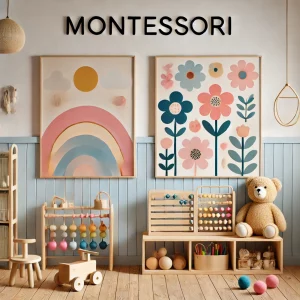
Creating a Montessori-Inspired Home Environment
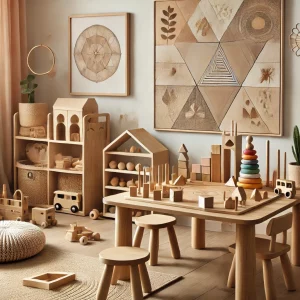
Establishing a Montessori-inspired home can be incredibly beneficial for children’s independence and learning. The essence of Montessori education lies in facilitating a child’s natural desire to learn through exploration and self-motivation. Here are some practical tips for parents to create a conducive home environment.
Adapting Spaces for Independence
One key aspect of the Montessori approach is designing spaces that promote independence. For instance, a family can create a Montessori-inspired kitchen by organizing all cooking utensils and ingredients at the child’s height. Children can participate in food preparation, thereby fostering a sense of ownership over their meals and encouraging responsibility. This is where the introduction to Montessori pedagogy can be particularly useful, guiding parents on how to instill guidelines for independence.
Creating Learning Stations
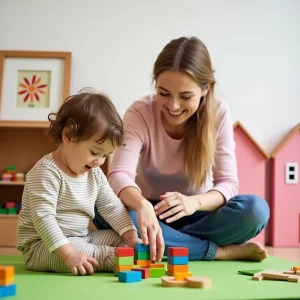
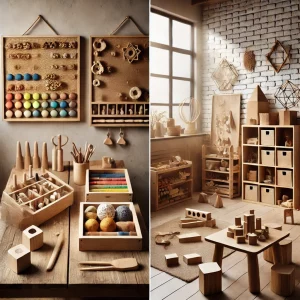
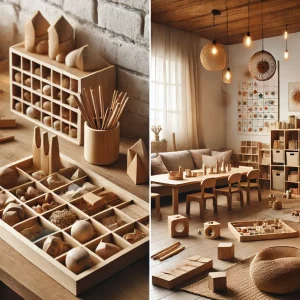
A child-friendly learning corner can also enhance a Montessori-inspired ambiance. Parents might designate a shelf for books, puzzles, and art supplies within easy reach, enabling children to make choices about their play and learning activities. This setup allows kids to engage independently while parents supervise from a distance. The complete guide on Montessori pedagogy elaborates on arranging learning materials in a way that invites curiosity and exploration.
The Montessori School Environment
In a Montessori classroom, the environment speaks volumes about how learning unfolds. Teachers play an essential role in creating physical and emotional spaces conducive to learning.
Environments that Foster Self-Regulation
One fundamental principle of Montessori education is promoting self-regulation among students. A skilled teacher might rearrange classroom shelves to enable children to access materials independently, creating a sense of trust and freedom. For example, children can select art materials, engage in math games, or even participate in gardening—all contingent upon their interests. This arrangement fosters a classroom ethos where self-discipline and engagement thrive. Parents can learn more about this process from various resources, including understanding the Montessori method.
Encouraging Collaborative Learning
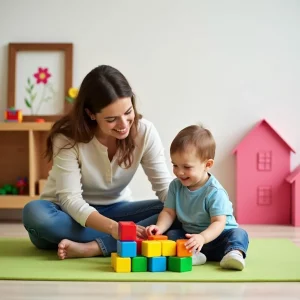
Collaboration is also an essential component in Montessori schools. Students of different ages work together, enabling them to share knowledge and support one another. A student who excels in math might help a younger peer, reinforcing their understanding through teaching. This peer-to-peer interaction encourages empathy and respect for diverse abilities, creating a strong community atmosphere within the classroom.
Emotional Development in Montessori Education
Emotional development is an aspect often overlooked in traditional education systems, yet it is fundamental in Montessori practices. Children learn to identify and navigate their emotions, developing resilience and social skills.
Building Empathy and Social Skills
In Montessori settings, teachers focus on creating a peaceful classroom environment where children learn to express their emotions. For example, if a child becomes upset during group work, a teacher might guide them to use “I” statements to articulate their feelings rather than lashing out. This training helps children develop crucial emotional intelligence and resolve conflicts amicably.
Fostering a Culture of Respect
Furthermore, the Montessori approach instills mutual respect among students. Children are taught to respect others’ space and opinions. They practice conflict resolution, which fosters strong interpersonal relationships. This process can significantly contribute to their emotional well-being, equipping them for future social interactions.
Final Thoughts
The Montessori educational approach nurtures children’s innate curiosity while equipping them with essential life skills. From a well-organized home environment to collaborative and emotionally-resilient classrooms, every element plays a crucial role in nurturing a child’s development.
For those interested in diving deeper into the world of Montessori, the parents’ guide to understanding Montessori explains how this approach embodies transformative educational practices. Additionally, for more resources and to explore how the Montessori Maria platform and its AI assistant MarÍA can further assist you, be sure to explore our website.
Montessori education stands as a beacon of hope and guidance in today’s educational landscape, and the journey starts with informed and engaged parents and educators. We encourage you to explore and attend a Montessori school near you to witness the benefits firsthand!
For recent articles on various aspects of Montessori education, check out our latest posts: