Embarking on the Montessori Journey
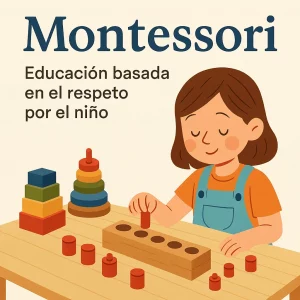
Many families seeking educational options for their children start their journey by searching for “Montessori near me” or “Montessori school near me.” This reflects a growing interest in the Montessori approach, which emphasizes child-led learning and fosters independence, creativity, and critical thinking. To assist families in finding the right Montessori environment, our website offers a global Montessori locator at Montessori near me, with local examples, such as Montessori schools in Oberursel, Germany.
Core Principles of Montessori Pedagogy
At the heart of Montessori pedagogy are several key principles: prepared environment, autonomy, observation, sensory learning, and individualized learning. Let’s explore each principle, providing real-life examples to illustrate how they can be implemented in traditional classrooms or for student teachers.
The Prepared Environment
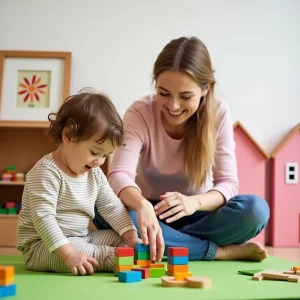
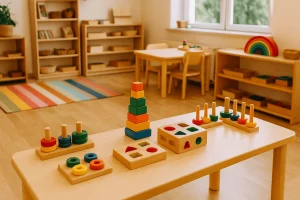
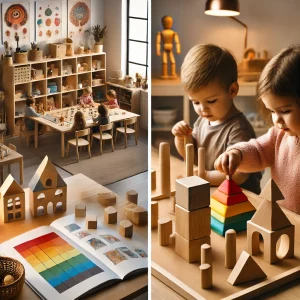
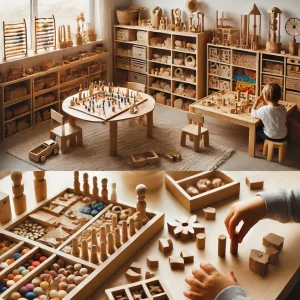
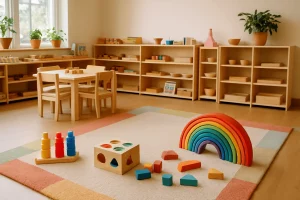
A prepared environment is essential for fostering independence and allowing children to move freely. In a traditional classroom, this could mean reorganizing furniture to create different learning areas, ensuring materials are accessible to children. For example, a classroom could have a reading nook filled with age-appropriate books, art supplies on low shelves, and math materials grouped in a way that encourages exploration. By doing so, the environment becomes an integral part of the learning process. You can learn more about creating a prepared environment by visiting our complete guide on Montessori pedagogy.
Encouraging Autonomy
Encouraging autonomy means allowing children the freedom to make choices about their learning. In a Montessori classroom, this could be manifested through free choice activities where students select their tasks. For an aspiring student teacher, planning their first Montessori environment could involve setting up stations with various activities. For instance, a science station can include hands-on materials to engage children in inquiry and exploration. This autonomy not only nurtures decision-making skills but also promotes a sense of responsibility in learning. For an introductory perspective, refer to our introduction to Montessori pedagogy.
The Art of Observation
Observation is a cornerstone of the Montessori method, enabling educators to understand children’s interests and developmental progress. For example, a teacher in a traditional setting can set aside time to observe students during independent work. By noting which activities engage them the most, the teacher can tailor lessons to suit their needs. This practice ensures a responsive learning environment, fostering deeper connections between students and their work.
Sensory Learning
Sensory learning involves engaging all the senses to promote understanding and retention of information. A practical adaptation in a traditional classroom could be introducing tactile learning materials—for instance, sandpaper letters for phonics lessons. These tools enable children to learn through doing, solidifying their understanding through physical interaction with the material. The emphasis on sensory experiences aligns perfectly with young children’s natural curiosity.
Individualized Learning
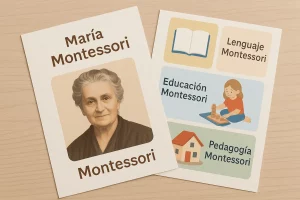
Individualized learning recognizes that each child is unique and learns at their own pace. A Montessori teacher might differentiate instruction by providing varied levels of material for math concepts, allowing students to progress based on their individual capabilities. This fosters a supportive environment where children feel valued for their unique contributions. Educators can explore more on this topic through our articles on understanding Montessori. Check out the articles: Understanding the Montessori Method, Understanding Maria Montessori, and A Practical Guide for Parents.
Implementing Montessori Principles in Your Classroom
As you delve deeper into Montessori pedagogy, think about how you can adapt your classroom environment or teaching approach. Consider using the principles outlined above. Create spaces that are inviting, engaging, and appropriate for your students’ needs. Whether you are a parent seeking to integrate Montessori principles at home or a teacher training student planning your first classroom, remember to use observation as a guide.
Incorporating these practices into your teaching will not only enrich your pedagogical skills but also positively impact your students. These principles encourage significant growth in children’s independence, confidence, and love of learning.
Continue Your Montessori Education
For more insights and guidance on Montessori education, be sure to visit the Montessori Maria website. Here, you will find a wealth of resources, including recent articles that can deepen your understanding of this transformative educational approach. The latest publications worth checking out are:
In conclusion, exploring and understanding pedagogía Montessori is an empowering journey for parents, educators, and future teachers. By applying its principles, you contribute to creating environments that foster independent, engaged learners ready to navigate the world with confidence.