Introduction to Montessori Pedagogy
Many families embark on their educational journey by searching for terms like “Montessori near me” or “Montessori school near me.” These inquiries mark the beginning of a transformative experience not only for the children but also for parents and educators. They seek a holistic approach that nurtures a child’s natural desire to learn. At the Montessori Maria website, we provide a global Montessori locator, helping you find schools and resources in your area. For instance, you can explore local options like Montessori in Oberursel, Germany.
Core Principles of Montessori Pedagogy
Understanding Montessori pedagogy involves examining its core principles: the prepared environment, autonomy, observation, and sensory learning. These principles not only underpin educational practices but also spearhead a deeper understanding of children’s potential. For those eager to explore this further, our comprehensive guide on Montessori pedagogy is a fantastic resource.
Prepared Environment
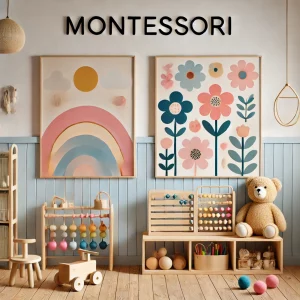
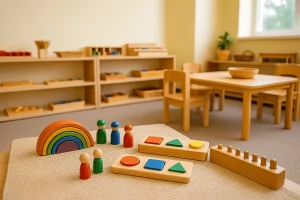
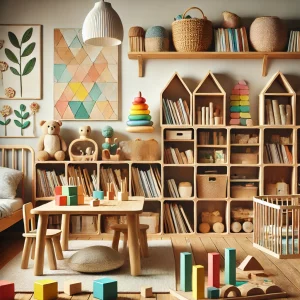
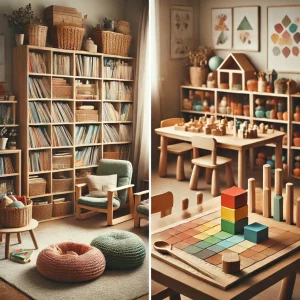
The prepared environment is a crucial aspect of Montessori education. It is about creating a thoughtfully designed space where learners can thrive independently. For example, a traditional classroom can be transformed into a Montessori environment by rearranging furniture to facilitate movement and interaction. Low shelves stocked with accessible materials encourage exploration, while designated areas for different activities support diverse learning styles. As a student teacher planning your first Montessori environment, consider how to arrange furniture, materials, and resources to foster independence and choice.
Autonomy
Autonomy is another pillar of Montessori pedagogy, emphasizing the importance of allowing children to make choices about their learning. When children are given the freedom to select their activities, they become more engaged and motivated. For instance, instead of a one-size-fits-all approach to assignments, a teacher might present various project options related to a single topic. This encourages students to pursue their interests at their pace. In our article on understanding the Montessori method, we delve into the importance of autonomy in fostering self-motivated learners.
Observation
Observation is a fundamental practice in the Montessori method. Educators are trained to observe children closely, understanding their interests, strengths, and areas for development. This insight allows teachers to tailor their approach and provide individualized support. For instance, a teacher might notice a child showing a keen interest in animals and choose to integrate related activities into lessons, allowing that child to explore their passion more deeply. This approach is beautifully illustrated in our guide on Maria Montessori, where we explain how observation informs the educational path.
Sensory Learning
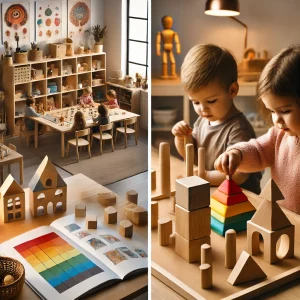
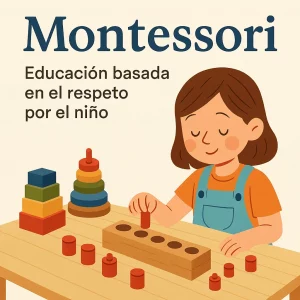
Sensory learning plays a crucial role in the Montessori experience. Children are encouraged to explore their world through their senses, which enriches their understanding of complex concepts. Consider a child learning about shapes: rather than simply reading about them, they could touch various geometric shapes and engage with them through manipulatives. For teachers looking to incorporate sensory learning into their classrooms, it’s essential to choose materials and activities that stimulate engagement and evoke curiosity. More insights can be found in our resources on Montessori pedagogy.
Transforming Traditional Classrooms into Montessori Spaces
Transforming a traditional classroom to embrace Montessori principles can be both exciting and challenging. Educators must first assess the existing space and identify how it can be adapted to support their learners’ independence and collaboration. This might involve restructuring lesson plans to allow for more open-ended activities or utilizing materials that cater to various learning styles. Practically, consider how to rearrange the seating to create inviting nooks for group work and individual projects. By observing how children interact in the space, teachers can continually refine their approach to foster a more Montessori-like environment.
Supporting a Montessori Learning Journey
While the principles of Montessori are rooted in the child’s experience, parents play an integral role in this journey. Supporting children in a Montessori environment involves understanding the philosophy and actively participating in it. This could mean encouraging children to take part in household activities that foster skills in independence—like cooking, cleaning, or gardening. It’s essential for parents to communicate with educators about their child’s progress and to maintain an open dialogue on how they can further support Montessori principles at home.
Conclusion: Embracing Montessori for Lifelong Learning
In conclusion, Montessori pedagogy is a powerful framework for fostering independence, curiosity, and a love of learning in children. As families and educators search for “Montessori near me,” it’s paramount to understand the underlying principles to maximize this educational approach’s impact. For a deeper exploration, we invite you to visit the introduction to Montessori pedagogy on our website. By embracing these principles, we can help cultivate a generation of self-directed, passionate learners—ready to navigate the complexities of the world with confidence.
For those looking to explore more about Montessori, don’t forget to check out our ongoing updates at Montessori Maria for articles, resources, and guides tailored for educators and parents alike.