Introduction
In our modern fast-paced world, parents are increasingly searching for educational options that nurture their children’s development. Phrases like “Montessori near me” or “Montessori school near me” reflect a deeper desire for tailored educational environments that promote independence and creativity. With the rising popularity of the Montessori method, it’s vital for parents and educators to understand its core principles and how to implement them effectively. For those seeking the right fit for their child or educational practice, our website features a convenient Montessori locator tool to help find nearby options, such as Montessori schools in your area.
Creating a Montessori Home Environment
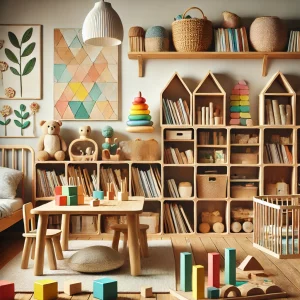
One of the foundational aspects of educacion montessori is the home environment. A well-prepared environment promotes independence and exploration, enabling children to learn through their own experiences.
Practical Home Adjustments
Parents can create a Montessori-inspired space in their homes by making specific adjustments. For example, consider designing a kitchen space that allows children to participate in meal preparation safely. Low shelves can be installed to hold child-sized utensils and tools, promoting a sense of ownership and responsibility. Children can help prepare meals, fostering independence and encouraging practical life skills.
Encouraging Independence
In a Montessori home, fostering independence is crucial. Imagine a toddler accessing their clothing from a low-hanging rack. By allowing them the freedom to dress themselves, it builds confidence and self-reliance. Incorporating a “work cycle” at home — designated times for self-directed play — helps children decide how to engage with their tasks, reinforcing their decision-making skills.
Fostering a Montessori School Environment
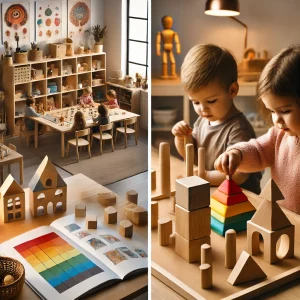
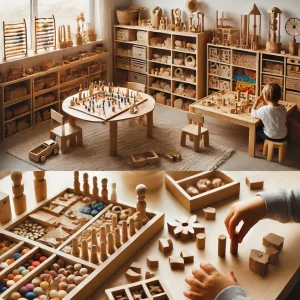
In a Montessori school, educators play a pivotal role in creating a nurturing and empowering atmosphere. The classroom is often designed with an open layout that encourages movement and collaboration among students. This setup also aligns with Maria Montessori’s educational philosophy, which emphasizes self-directed learning.
The Role of Teachers
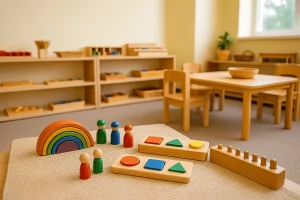
Teachers serve as guides rather than traditional instructors. For example, a teacher may notice a child struggling with organization and respond by adapting classroom shelves. Arranging materials to promote independence can encourage students to choose their work freely and develop self-control. This teacher-student dynamic exemplifies the Montessori method, encouraging both curiosity and respect.
Materials and Resources
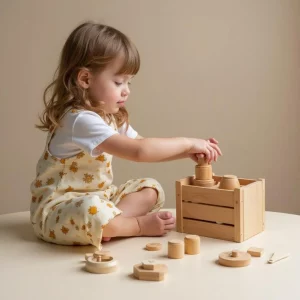
Montessori classrooms are typically equipped with specially designed materials that stimulate learning. For example, sensory materials allow children to explore textures and concepts through hands-on experiences. A child working with a “practical life” activity—such as buttoning clothes or pouring liquids—enhances fine motor skills and reinforces self-regulation. This connection to their real-world experience is what makes the Montessori education transformative.
Emotional Development through Montessori
A lesser-known yet crucial aspect of Montessori education is emotional development. Montessori environments encourage children to express their feelings and develop empathy. This is done through collaborative projects and group activities.
Building Emotional Intelligence
In a Montessori classroom, group discussions often revolve around feelings and perspectives. Children learn not only to articulate their emotions but also to listen and respond to others. For instance, during circle time, students may share experiences that triggered strong emotions, allowing them to practice emotional vocabulary and foster deep interpersonal skills.
The Impact of Self-Regulation
Self-regulation is another significant benefit of the Montessori approach. Encouraging students to take breaks when overwhelmed by work fosters an understanding of their limits. For example, if a child recognizes they are losing focus, they might choose to engage in a calming activity, such as guided breathing or mindfulness exercises. This awareness and control contribute to a balanced emotional life.
Conclusion
In essence, Montessori education provides a rich framework for both educators and parents to guide children toward independence, confidence, and emotional intelligence. By understanding the critical principles of educacion montessori, and implementing these practices in the home and classroom, we can help children flourish. If you’re looking for more resources or want to know more, check out our introduction to the Montessori pedagogy and explore the latest articles on this transformative approach.
For further insights into Montessori education, the Montessori Maria platform and its AI assistant MarÍA are excellent resources tailored to your needs. Embrace the benefits of Montessori education, and help your child reach their full potential.