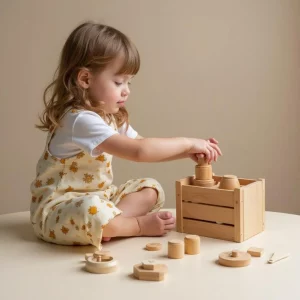
Introduction: The Growing Interest in the Montessori Method
In today’s fast-paced world, parents and educators are increasingly searching for effective educational models that promote independence and critical thinking in children. Searches like “Montessori near me” and “Montessori school near me” reflect a global need for accessible Montessori resources. Recognizing this demand, our website offers a Montessori locator, allowing families to find nearby Montessori schools and resources efficiently. Whether you’re looking for a local school in Oberursel, Germany or an international example, we aim to connect you with the right information.
What is the Montessori Method?
The metodo Montessori is an educational approach developed by Dr. María Montessori in the early 1900s. At its core, this method emphasizes child-led learning, where educators serve as facilitators rather than traditional authority figures. The Montessori philosophy nurtures a child’s natural desire to learn through hands-on activities and collaborative play.
Fundamental Principles of the Montessori Method
1. Child-Centered Learning: In a Montessori environment, each child is respected as an individual with unique interests and abilities. The curriculum is designed to cater to these individual needs, allowing children to pursue their interests at their own pace.
2. Mixed-Age Classrooms: Montessori classrooms typically consist of children of varying ages, promoting peer learning. Older children become mentors, guiding their younger peers while reinforcing their own knowledge.
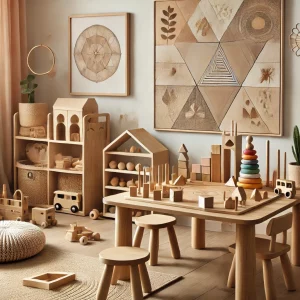
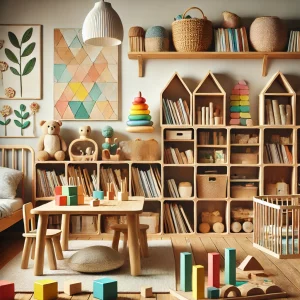
3. Prepared Environment: The physical setting is designed to facilitate independent learning. Classes are equipped with materials that cater to different developmental stages, inviting exploration while maintaining order and accessibility.
4. Hands-On Learning: Montessori education emphasizes experiential learning, where students engage directly with materials rather than passively receiving information. This practical approach helps nurture a lifelong love of learning.
Real-Life Applications of the Montessori Method
To illustrate how these principles manifest in everyday situations, let’s explore two real-life scenarios: a morning routine at home and a mixed-age classroom in a school setting.
Montessori Autonomy at Home
Imagine a typical morning in a Montessori household. The alarm goes off, and rather than being rushed out of bed by a parent, the child is encouraged to wake up at their own pace. Their clothes are laid out within reach, allowing them to dress independently. Family members might practice a brief morning meditation or stretch together, fostering mindfulness and autonomy.
In the kitchen, breakfast preparation offers another opportunity for independence. The child can choose their snack, use child-sized kitchen tools, and even participate in simple cooking tasks. This not only instills a sense of responsibility but also enhances self-confidence. By the time they’re ready for the day, they have developed a sense of routine and accomplishment.
Mixed-Age Classrooms in Montessori Schools
In a Montessori classroom, the dynamics differ significantly from traditional educational settings. Students aged 3-6 share the same learning environment, interacting freely and collaboratively. For instance, older children might be working on a challenging math problem, while younger children explore materials for practical life skills, like pouring or sorting.
This arrangement cultivates a sense of community; younger students look up to their older peers for guidance and support, enhancing social skills and fostering respect. Teachers facilitate rather than dictate, guiding children to make choices, manage their time, and take ownership of their learning process.
The Benefits of the Montessori Method
Research into the pedagogía Montessori indicates numerous benefits. Children educated through this method often demonstrate higher levels of creativity, problem-solving skills, and self-discipline compared to those in traditional school settings. Engaging hands-on materials encourage critical thinking, while mixed-age classrooms promote empathy and cooperation.
Long-Term Effects on Children
Studies have shown that students who experience the Montessori method tend to outperform their peers academically by the time they reach higher education. The focus on independence and collaborative skills prepares them for real-world challenges, enabling them to navigate their futures with confidence.
How to Integrate Montessori Principles at Home and in School
For parents and educators interested in integrating the Montessori Method into their daily routines, several strategies can help:
- Provide children with age-appropriate materials and resources that encourage exploration.
- Encourage independence by involving children in household and school responsibilities.
- Create a structured yet flexible environment where children feel safe to explore their interests.
- Foster a love for learning by allowing children to ask questions and seek answers through research and exploration.
- Implement regular reflections or discussions about the learning process to help children articulate their thoughts and ideas.
Resources for Understanding the Montessori Method
To enhance your understanding of the metodo Montessori, we recommend exploring resources available on our website, including articles and guides on understanding the principles of Montessori education. You may also find valuable insights in our comprehensive guide on the Montessori method.
The Legacy of María Montessori
Understanding the life and work of María Montessori provides context to her educational philosophy. Recognizing that her methodologies were radical for her time helps underscore the enduring relevance of her ideas in our contemporary educational landscape.
Conclusion: Embracing the Montessori Method
If you find yourself searching for “Montessori near me” or looking to establish a Montessori environment at home or in education, our website offers tools, resources, and our AI assistant MarÍA to guide you. Explore our offerings today at our Montessori Maria website and its AI assistant MarÍA to enrich your educational journey.
To summarize, the Montessori method is a transformative educational approach that nurtures a child’s natural love for learning. By implementing its principles at home and in school, parents and educators can foster an environment conducive to growth, curiosity, and lifelong learning. A well-rounded education is within reach, and understanding Montessori’s principles is the first step toward achieving it.
For additional insights, check our latest articles on Montessori education:
- Understanding Montessori Education: A Comprehensive Guide for Parents
- Understanding Montessori Pedagogy: A Guide for Parents and Educators
- Understanding the Montessori Method: A Comprehensive Guide
- Understanding María Montessori: A Guide for Parents and Educators
- Another Great Guide on María Montessori