Introduction
In today’s world, more parents and educators are searching for alternative education methods that nurture children’s innate potential. Common queries like “Montessori near me” and “Montessori school near me” reveal a growing interest in accessible Montessori resources. Many are looking for educational environments that provide a holistic approach to learning. To assist with this, our website offers a Montessori locator, allowing families to find schools and resources personalized to their needs. For instance, if you are in Oberursel, Germany, you can explore local options through our dedicated page for that city at Montessori schools in Oberursel.
The Fundamental Principles of the Montessori Method
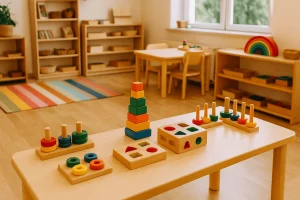
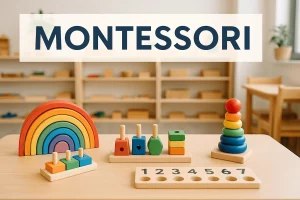
The Montessori method, developed by Dr. María Montessori, is based on several key principles designed to foster independence, respect for a child’s natural development, and a deep love of learning. At the heart of this approach is the belief that children learn best in environments that support their curiosity and respect their individual learning processes.
Child-Centered Learning
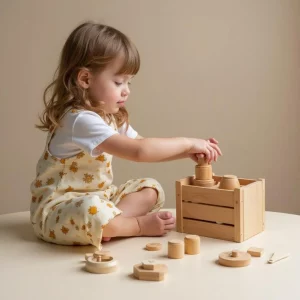
In Montessori classrooms, teaching strategies emphasize child-centered learning. Unlike traditional education methods that focus on a one-size-fits-all curriculum, the Montessori method allows children to follow their interests and learn at their own pace. This encourages autonomy and self-motivation, making learning a more engaging experience.
Mixed-Age Classrooms
Another key principle is the use of mixed-age classrooms. This environment fosters collaboration among students of different ages, allowing younger children to learn from older peers while also developing mentoring skills. This setting encourages a community of learners where social skills, empathy, and teamwork are cultivated.
Real-Life Situations in Montessori Settings
To illustrate the effectiveness of the Montessori method, let’s explore two real-life scenarios: a morning routine at home that utilizes Montessori autonomy and a mixed-age classroom scenario in a Montessori school.
Montessori Autonomy at Home: A Morning Routine
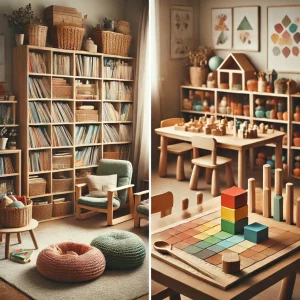
Imagine a typical morning at home for a child practicing Montessori principles. The child wakes up on their own, dependent less on external cues. Their room is designed with accessibility in mind: clothes are laid out at an appropriate height, and a small step stool is available for reaching the sink. The child begins their day by choosing their clothes and getting dressed without parental assistance, enhancing their sense of independence. Breakfast is also designed with Montessori principles in mind; they can prepare a simple meal, for instance, cereal and fruit, using child-sized utensils and containers. This routine not only encourages self-sufficiency but also instills a sense of responsibility and pride in their work.
Montessori in the Classroom: A Mixed-Age Scenario
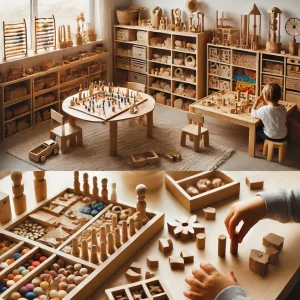
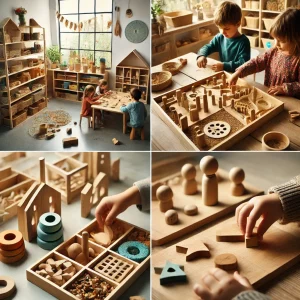
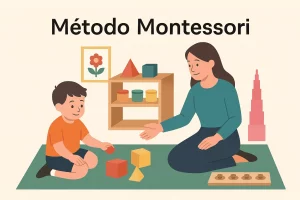
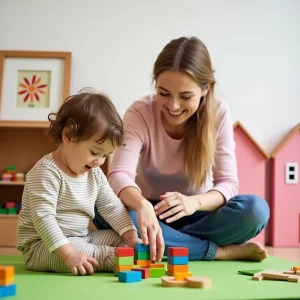
In a Montessori classroom, children ages 3 to 6 might share the same space. During a group activity, the teacher introduces a new concept—like basic geometry—using hands-on materials that support exploration. A 4-year-old child might work with tangible geometric shapes, while an older child explains the names and properties of these shapes to a younger peer. This type of interaction fosters learning at different levels, promotes social skills, and enhances self-esteem as children engage with one another in meaningful ways.
Embracing the Montessori Method
For parents and educators eager to explore the Montessori method, understanding its fundamentals is essential. If you’re interested, you can find everything you need to know about the Montessori method and its benefits on our website. By embracing these principles, families can create supportive environments that empower children to reach their fullest potential.
Resources and Further Reading
To further your understanding, consider exploring our article on Montessori pedagogy. Here, you’ll find insights into how this educational approach transforms learning experiences for children, equipping them not only with knowledge but also with essential life skills.
Technology and Montessori: An Innovative Approach
As we look towards the future, integrating technology into Montessori education can enhance the learning experience while maintaining the core principles of the method. For instance, our Montessori Maria website and its AI assistant MarÍA provide personalized resources tailored to each child’s unique learning style, helping parents and educators find the right materials and methods. With the aid of technology, families can further enrich their understanding and application of the Montessori approach.
Conclusion
In summary, the Montessori method offers a transformative approach to education that prioritizes children’s individuality and respect for their learning processes. By understanding and embracing its principles, parents and educators can foster environments that nurture not only academic growth but also social and emotional development. If you’re looking to implement Montessori principles in your home or classroom, we encourage you to visit our resource center for Montessori resources and additional articles like Understanding Montessori Pedagogy and Understanding Montessori: A Comprehensive Guide for Parents. The journey into the Montessori method can be incredibly rewarding, offering children the tools they need to thrive in today’s world.