Introduction
In today’s fast-paced world, many families find themselves typing “Montessori near me” or “Montessori school near me” into their search engines, hoping to find a nurturing educational environment for their children. This quest for quality education often leads parents and educators to explore the famed Montessori approach. At our website, we strive to support your journey by offering a Montessori locator and various guides to help you make informed decisions for your family and students.
Who Was María Montessori?
María Montessori was an Italian physician and educator, best known for developing the educational method that bears her name. Born in 1870, she graduated from the University of Rome and became one of the first women to earn a medical degree in Italy. Montessori’s early work focused on children with disabilities, and her experiences led her to create a unique educational philosophy centered around the innate potential of children. Her philosophy emphasizes autonomy and hands-on learning, allowing children to thrive in an environment specially prepared to foster their growth.
A Lasting Legacy
Montessori’s legacy extends far beyond her time; her principles continue to influence educators and parents worldwide. For those looking to delve deeper into Montessori’s life and contributions, our article on María Montessori y su legado offers comprehensive insights.
Practical Applications of Montessori Principles
Understanding Montessori is not just theoretical; it directly impacts how we shape learning environments for children. Below are real-life examples showcasing how educators and parents can incorporate Montessori principles into daily practice.
Reorganizing the Classroom
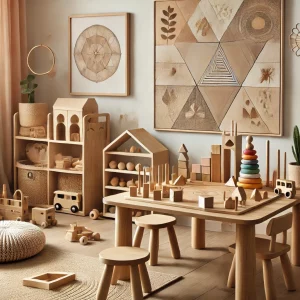
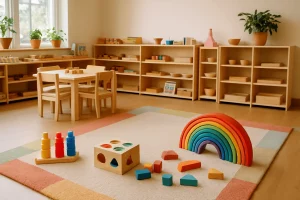
Imagine a teacher noticing that students often struggle with concentration. Instead of traditional rows of desks, they decide to reorganize the classroom based on Montessori principles. By creating distinct learning areas—reading corners, a science station, and a creative arts corner—the teacher empowers students to choose where they want to work. This setup encourages independence and allows children to gravitate toward tasks that interest them, living the essence of the pedagogía Montessori.
Preparing a Child’s Room for Independence
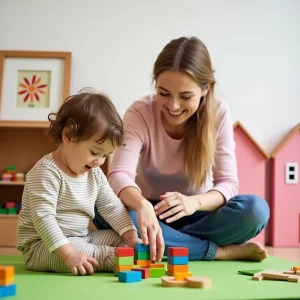
Parents can also embrace Montessori principles at home. For example, a parent may decide to transform their toddler’s room into a space that promotes independence. By placing clothing within easy reach and introducing child-sized furniture, parents enable their children to dress themselves and engage in self-care tasks. Such small changes lead to a sense of accomplishment and allow children to learn through doing, embodying the true spirit of the método Montessori.
Adapting Montessori to Your Needs
Finding a Montessori school or resources tailored to your needs can sometimes be overwhelming. That’s why our website offers a Montessori locator designed to help you find schools and programs in your area, ensuring you have access to the best available options.
Supporting Your Decision-Making Process
If you are an educator seeking to implement these principles in your teaching practice, our guides can assist you in navigating the nuances of Montessori education. For example, our detailed article on understanding María Montessori sheds light on her foundational ideas, helping you grasp what makes this approach unique.
Every Child is Unique
A fundamental tenet of Montessori is the understanding that each child is unique, possessing their own interests, strengths, and learning styles. By recognizing this individuality, parents and educators can tailor environments that respect and nurture differences rather than forcing conformity. This brings us back to the importance of locating relevant resources, whether it be through schools or programs—your search for Montessori near me should be met with supportive results.
Encouraging a Growth Mindset
Incorporating Montessori principles also means fostering a growth mindset in children. For instance, a teacher might shift from rewarding students for right answers to praising their efforts and resilience. This small shift can transform a classroom dynamic, creating an environment where failure is seen as an opportunity to learn, rather than a setback.
The Role of AI in Montessori Education
As technology evolves, so do educational methods. Our AI assistant, MarÍA, available on the Montessori Maria website, is designed to answer your questions and provide additional resources as you explore Montessori education. MarÍA can help guide parents and educators toward relevant articles, supporting your journey in implementing these transformative principles.
Connecting with Other Montessori Advocates
Whether you are a parent seeking advice or an educator looking to share experiences, connecting with a community of like-minded individuals can be invaluable. Participating in workshops and online forums can provide support, while also allowing you to share insights from your own journeys in implementing Montessori principles. Our guide on discovering Montessori is an excellent resource for furthering your understanding and networking with others.
Conclusion
In conclusion, María Montessori’s approach to education offers a transformative path for children and educators. As families search for “Montessori near me,” it becomes essential to understand not just the logistics of schools, but also the underlying philosophy that guides the Montessori method. By embracing Montessori principles in classrooms and homes, we create spaces where children can flourish as independent, motivated learners. We invite you to explore our various resources, including our in-depth articles about Montessori pedagogy and the method itself, to enrich your understanding and application of this powerful educational philosophy. Remember, the journey doesn’t end here. For more insights, check out our latest articles on Montessori education:
Understanding the Montessori Method, Understanding Montessori Education, and many more!