Introduction
In today’s digital age, many families seek educational options online, searching for terms like “Montessori near me” or “Montessori school near me.” If you’re one of those parents eager to uncover the benefits of a Montessori education for your child, you’re in the right place! Our website offers a helpful search and guide section for locating Montessori-inspired learning around the world. You can check it out here. Additionally, if you happen to be in Terni, Umbria, you can explore our very own Montessori school by visiting this link. This article will delve into the Montessori methodology, principles, and how it can positively impact your child’s development.
What is Montessori?
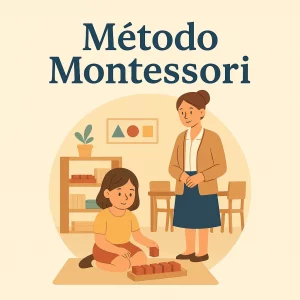
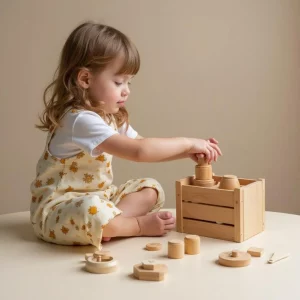
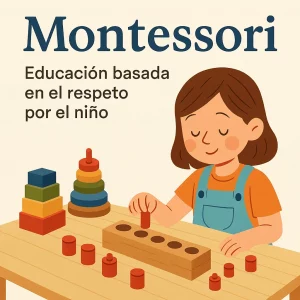
The Montessori method, developed by Dr. Maria Montessori, is an educational philosophy that promotes child-led learning and exploration. The approach is centered around the idea that children are naturally curious and capable of directing their own education through hands-on experiences. In Montessori classrooms, children engage with specially designed materials that foster independent learning and critical thinking skills.
Who Was María Montessori?
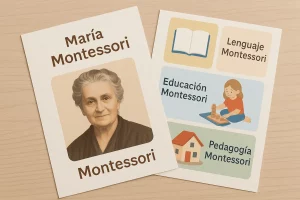
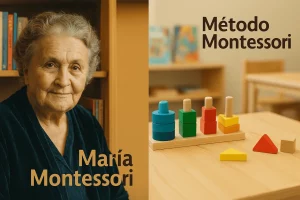
To fully appreciate the Montessori approach, it’s essential to know about its founder: María Montessori. Born in 1870, she was a pioneering Italian physician and educator whose insights into child development and education led to the creation of her innovative teaching methods. Montessori believed in respecting each child’s individuality and encouraging their innate desire to learn.
The Core Principles of Montessori
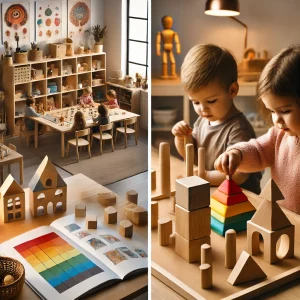
Montessori education is built upon several foundational principles that set it apart from traditional education. One of the key aspects is the prepared environment, where classrooms are designed to be safe, beautiful, and stimulating. This environment encourages children to choose activities that interest them, allowing them to learn at their own pace.
Another important principle is the teacher’s role, which shifts from that of a traditional instructor to a facilitator or guide. In the Montessori setting, teachers observe and support children in their learning journey, providing the necessary tools and resources without interrupting their exploration.
Real-Life Situation: A Family Discovers Montessori at Home
Consider the Johnson family, who felt overwhelmed by their five-year-old son Tyler’s insistence on doing things himself. While initially seen as a struggle, they soon realized it was a reflection of his growing independence. After researching educational philosophies, they stumbled upon Montessori. They began introducing Montessori principles at home by creating a designated play area filled with various materials that encouraged self-directed learning.
In this space, they allowed Tyler to explore without interruptions. They incorporated everyday tasks into play, teaching him to pour his cereal, dress himself, and even tidy up after his activities. By embracing this philosophy, they not only nurtured his independence but also fostered a sense of responsibility and self-confidence.
Benefits of Montessori Education
One of the most significant benefits of the Montessori method is the promotion of independence. Children learn to think critically, work collaboratively, and respect each other’s space and materials. Moreover, Montessori education fosters a love for learning—a crucial element for lifelong success.
Social Skills and Emotional Intelligence
In a Montessori environment, children engage in mixed-age classrooms. This setting encourages older children to mentor younger ones, fostering social skills while enhancing emotional intelligence. They learn to communicate effectively and develop empathy as they navigate friendships, leading to well-rounded individuals ready to take on the world.
Understanding Montessori Pedagogy
To further appreciate this transformative approach, it’s helpful to explore the pedagogía Montessori. This comprehensive guide delves deeply into the philosophy and practices that support this educational model. Understanding these principles can help parents create a supportive learning environment at home and make informed decisions about their child’s education.
Implementing Montessori at Home
You don’t have to wait until your child attends a Montessori school to start implementing its principles at home. Start small—create a designated area for your child filled with accessible, engaging materials. Select items that promote sensory exploration and critical thinking, like puzzles, musical instruments, and art supplies.
Encouraging independence is key. Allow your child to make decisions regarding play, and give them responsibilities such as setting the table or caring for pets. The same spirit of freedom present in Montessori classrooms can thrive in your home.
Finding Montessori Schools and Resources
As parents explore educational options, finding the right Montessori school is vital. Resources are available to help you discover suitable institutions offering a Montessori-based curriculum. Websites like the Montessori Maria website offer valuable search tools to locate programs near you. It’s essential to visit schools, ask questions, and observe classrooms before making a decision.
Engaging with the Community
In addition to researching schools, consider connecting with local Montessori communities. Joining parent groups or forums can provide support and insights from other families who have embraced the Montessori philosophy. These interactions can be invaluable as you navigate this journey of educational freedom for your child.
Utilizing Technology to Enhance Montessori Learning
With technology playing a significant role in education today, families can also leverage it to enhance their Montessori experience. For instance, explore educational apps that align with Montessori principles, promoting learning through exploration rather than rote memorization. These resources can supplement hands-on activities and provide children with new avenues for discovery.
AI Support with MarÍA
Another exciting aspect of the Montessori Maria website is its AI assistant, MarÍA. Trained specifically in Montessori methodology, MarÍA can answer your queries about Montessori principles, providing parents with tailored guidance and strategies for implementing the Montessori approach effectively at home.
Conclusion
If you’re considering Montessori education, you’re exploring an incredibly enriching path for your child’s growth and development. By embracing Montessori principles, whether at home or in a classroom setting, you can help cultivate an environment that nurtures independence, critical thinking, and a passion for learning. Take advantage of the resources available on the Montessori Maria website to find educational opportunities near you and connect with like-minded families. Montessori creates lifelong learners; let’s embark on this journey together!