Introduction
In today’s world, many families embarking on the educational journey for their children often begin their search with queries such as “Montessori near me” or “Montessori school near me.” These phrases reflect a keen interest in finding nurturing and effective educational environments that emphasize individual growth and learning. If you’re seeking a local Montessori program, our website offers a comprehensive global Montessori locator at Montessori near me. For instance, families in Oberursel, Germany, can explore localized options at this link.
What is Montessori Pedagogy?
Montessori pedagogy, developed by Dr. María Montessori, is an educational approach that fosters independence, curiosity, and a lifelong love for learning. The fundamentals of this method include key principles such as the prepared environment, autonomy, observation, and sensory learning.
The Prepared Environment
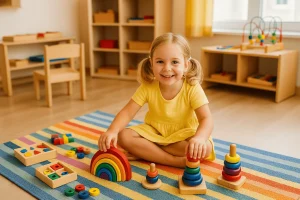
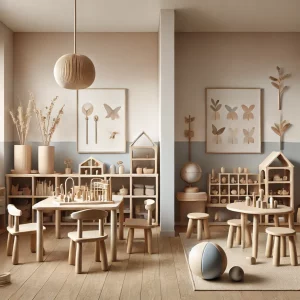
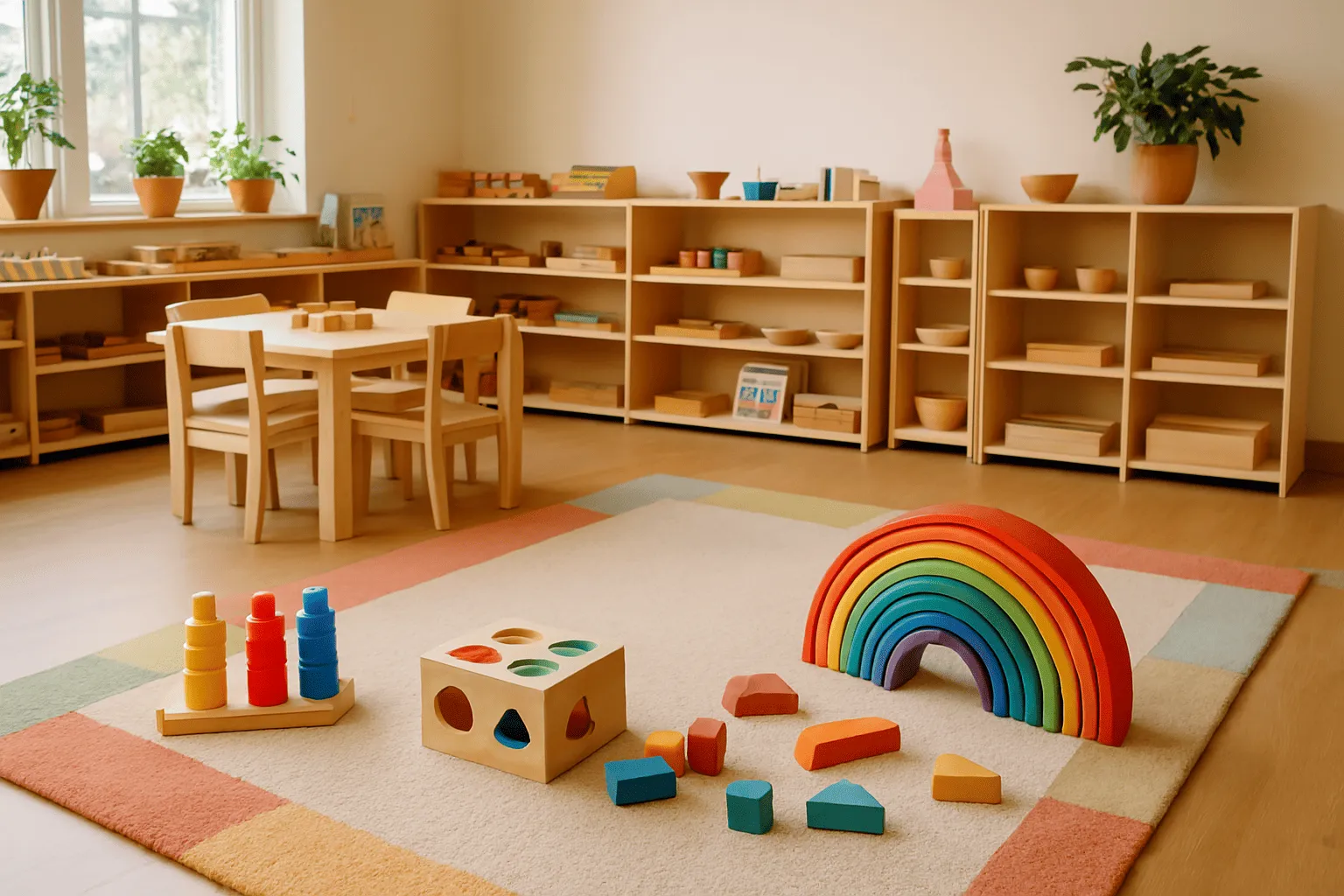
A prepared environment is an essential element in Montessori education. It is carefully designed to meet the developmental needs of children, providing them with the freedom to explore and learn at their own pace. A practical example of this can be seen in a traditional classroom being adapted for Montessori use. Instead of rows of desks facing a teacher’s podium, furniture is arranged in accessible, interest-based areas that encourage collaboration, exploration, and hands-on learning.
Autonomy in Learning
Autonomy is a hallmark of Montessori pedagogy. Children are encouraged to take charge of their education, make choices, and engage in activities that resonate with their individual interests. For instance, a student teacher planning their first Montessori environment might introduce flexible scheduling, allowing children to choose when they want to work on different subjects, promoting ownership of their learning journey. This principle can profoundly affect a child’s confidence and motivation.
Observation as a Tool for Learning
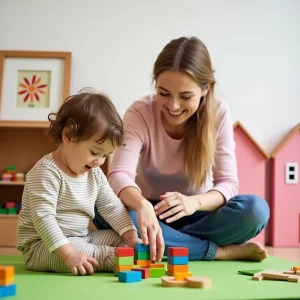
Observation is another critical principle in Montessori education. Trained educators keenly observe their students to understand their interests, strengths, and developmental needs. For example, a teacher might notice a child excelling in a particular area, such as math, and could provide more advanced materials or challenges to nurture that child’s curiosity further. This tailored approach is beneficial in fostering a love for learning and ensuring that each student feels valued and understood.
Sensory Learning Experiences
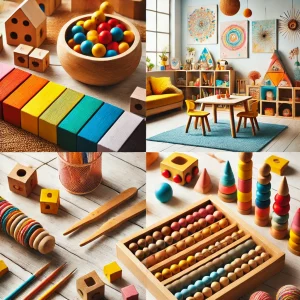
Montessori places a strong emphasis on sensory learning. Children learn through hands-on experiences that engage their senses, reinforcing concepts in a tangible way. In a Montessori classroom, a child learning about geometry might manipulate geometric solids, providing a clear understanding of shapes and their properties. Incorporating sensory learning into practical activities enriches the educational experience and aids in developing a child’s cognitive skills.
Implementing Montessori Principles
Implementing Montessori principles in traditional classrooms or early educational environments can be transformative. For educators transitioning from a traditional to a Montessori approach, there are several key strategies to consider. A thorough understanding of Montessori principles can provide a strong foundation, as detailed in our complete guide to Montessori pedagogy.
Creating a Prepared Environment in a Traditional Classroom
To adapt a traditional classroom, teachers can start by rearranging furniture to create welcoming learning zones. Setting up areas for reading, science experiments, art, and mathematics encourages children to explore their interests. Additionally, incorporating Montessori materials, such as tactile learning tools, can bridge the gap between conventional teaching methods and a more holistic development approach.
Autonomy and Independence
Encouraging autonomy in learners can be as simple as allowing children to choose their activities and manage their work time. Educators can implement “work cycles,” where students select tasks, providing an opportunity for self-directed learning. This approach not only fosters independence but also cultivates time-management skills and personal responsibility.
Observation: A Guide to Personalized Learning
Educators can harness the power of observation to tailor their teaching strategies. Keeping observation journals can help teachers track students’ progress and interests. For instance, noting when a child is deeply engaged in a specific activity can guide future lesson planning. Utilizing observation to adapt teaching methods can create a more personalized educational experience.
Resources and Further Reading
For parents, educators, and teacher-training students interested in diving deeper into Montessori pedagogy, the Understanding Montessori Education: A Guide for Parents and Educators provides valuable insights. It explores the various aspects and benefits of Montessori learning environments.
Additionally, our articles on Understanding the Montessori Method and Understanding María Montessori delve into the philosophy and history surrounding this transformative educational approach.
For parents seeking educational freedom for their children, Understanding Montessori Pedagogy provides a comprehensive overview. It highlights the significance of a holistic and student-centered learning environment.
Conclusion
The exploration of Montessori pedagogy opens up a world of possibilities for learning and growth for both students and educators. Whether you’re a parent searching for a school or an educator seeking to implement Montessori principles, understanding the core tenets of this approach can enhance the educational experience. For more information, visit the Montessori Maria website, where resources and community support await. Together, we can nurture a generation of independent, curious, and passionate learners.