Introduction to Montessori Education
Parents and educators around the world frequently find themselves searching for phrases like “Montessori near me” or “Montessori school near me”. This pursuit often stems from a desire to find the best educational path for their children. Montessori education has gained significant attention for its child-centered approach that fosters independence, creativity, and a lifelong love for learning. Our website offers a Montessori locator tool to help you find nearby schools and resources, ensuring you embark on the right educational journey. Dive into this comprehensive article designed for parents and educators interested in educacion montessori.
Creating a Montessori Home Environment
Establishing a Montessori-inspired home is crucial for supporting your child’s development. A well-prepared environment not only encourages independence but also fosters exploration and creativity.
Adapting Spaces for Independence
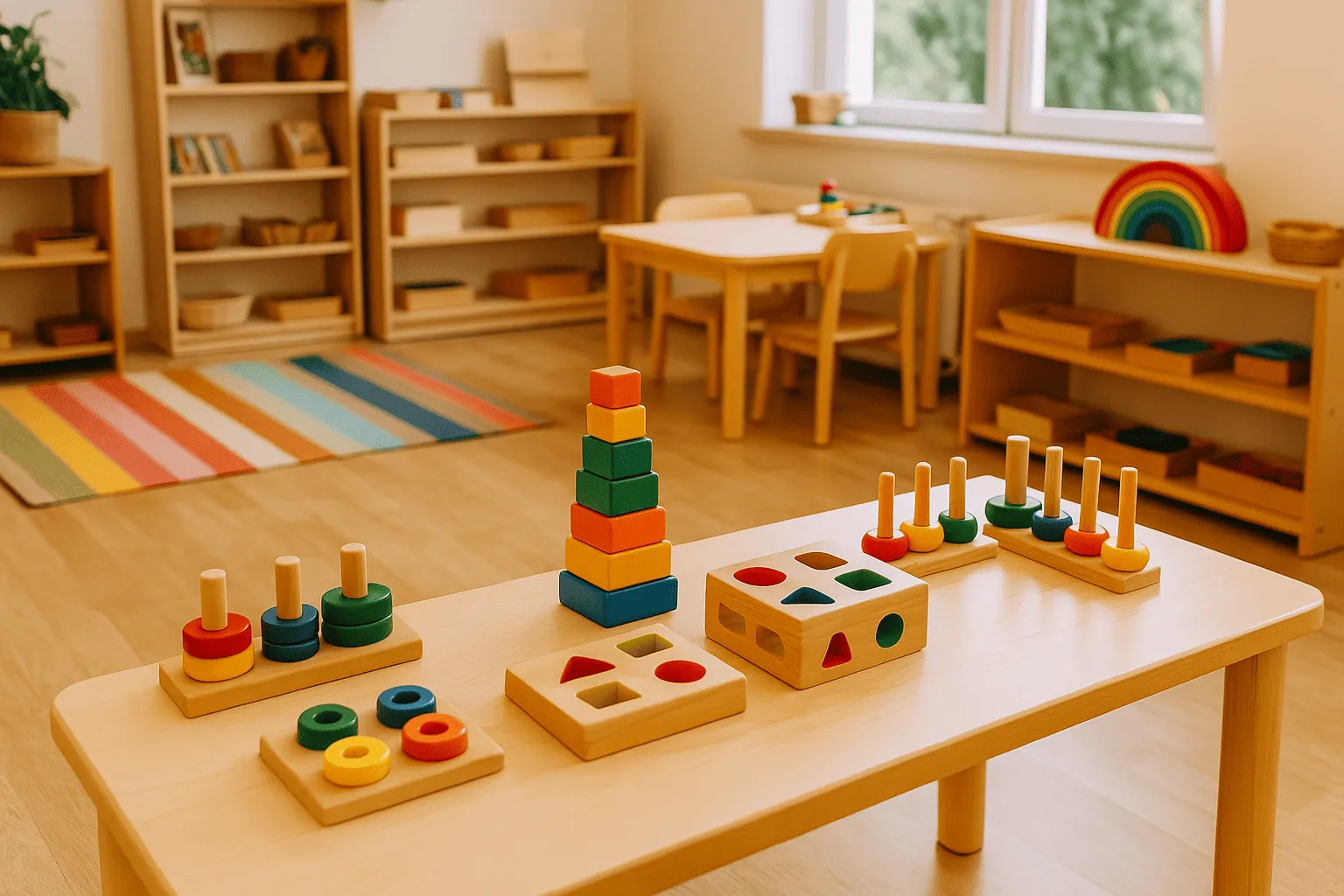
Consider a time when a teacher adapted the classroom shelves to promote independence. By organizing materials at the children’s height and labeling them, the teacher empowered the students to choose their own activities. In your home, you can create a similar setup. For example, designate a corner of your kitchen for your child with child-sized utensils and ingredients, enabling them to engage in simple cooking tasks. This setup allows them to practice self-sufficiency while also building confidence in their abilities.
Montessori-Inspired Learning Areas
In addition to the kitchen, think about a reading nook filled with age-appropriate books and comfortable seating. Create an inviting atmosphere where your child feels free to explore literature. Encourage them to choose books based on their interests, fostering a love for reading and learning. This practice aligns with the principles of introduction to Montessori pedagogy, where children learn best in environments tailored to their needs.
Montessori School Environment
Transitioning from the home to the school environment requires a similar thoughtful approach. Montessori classrooms are designed to encourage exploration and self-directed learning.
Teacher Facilitation and Guidance
In a Montessori classroom, teachers serve as guides rather than traditional instructors. They observe students and provide individualized support, allowing for tailored educational experiences. For instance, if a child shows interest in nature, the teacher might introduce gardening activities, integrating science and responsibility into their learning experience. This method promotes an intrinsic motivation to learn, a cornerstone of educacion montessori.
Creating Sensory-Rich Learning Experiences
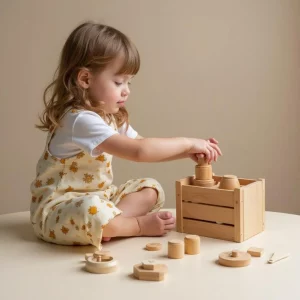
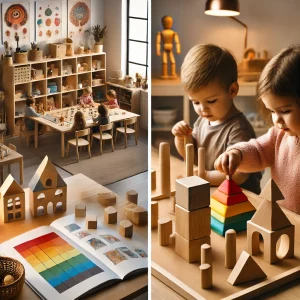
Another key component is the classroom’s sensory-rich environment. For instance, teachers often set up learning stations featuring tactile materials. A child might engage with textured blocks, comparing and contrasting different surfaces, all while developing fine motor skills. This hands-on approach fosters deep understanding and retention of concepts, creating a memorable learning experience.
Emotional Development in Montessori Education
Montessori education greatly values the emotional development of children. By focusing on self-regulation and empathy, it helps prepare children for the complexities of life.
Promoting Self-Regulation
One advantage of the Montessori method is its emphasis on self-regulation. In a Montessori classroom, children are encouraged to manage their activities and emotions, giving them space to learn how to navigate challenges. For instance, a student struggling with frustration over a complex task might be guided to take a break, breathe, and return when ready. This practice aids in developing resilience and emotional intelligence, qualities that are essential for success in school and beyond.
Encouraging Empathy and Cooperation
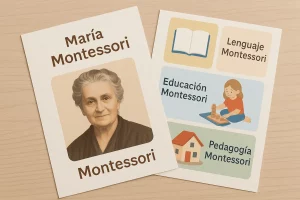
Furthermore, the collaborative nature of Montessori classrooms fosters empathy. Children often work together on projects, promoting teamwork and communication skills. When a student helps a classmate understand a challenging concept, both children benefit from the experience. This cooperative learning approach echoes the values instilled by María Montessori, who believed in nurturing the entire child—academically, socially, and emotionally.
Why Choose Montessori Education?
As you contemplate options for your child’s education, consider the benefits of Montessori. The method prioritizes the child’s needs, allowing for a tailored educational experience that blends learning at home and school. Families often seek this unique education style due to its focus on the holistic development of children, preparing them for lifelong success.
Finding the Right Montessori School
To ensure your child receives a quality Montessori education, utilizing tools such as our Montessori locator tool can be invaluable. By entering your location, you can find nearby educational institutions that embody the principles of this transformative approach. Whether you use this link to search for a Montessori school near you or explore resources that enhance your child’s learning experience, the opportunities are endless.
Conclusion
As we conclude this exploration into educacion montessori, it’s essential to recognize that embracing this method fosters independence, creativity, and emotional intelligence in children. By creating a nurturing home and engaging school environment, you are laying the foundation for your child’s success. The Montessori Maria platform and its AI assistant MarÍA can further assist you on this journey, providing resources and guidance tailored to your family’s needs. For more deep dives into Montessori education, explore the Montessori Maria website, where you can find articles like our understanding the Montessori method and understanding María Montessori. Remember, your child’s journey is unique, and Montessori education is a beautiful way to cultivate their growth.