Introduction
As a parent, the education and development of your child are likely among your top priorities. In today’s digital age, many families search for terms like “Montessori near me” or “Montessori school near me” while exploring educational options. Our website offers valuable resources and a helpful search and guide section to locate Montessori-inspired learning opportunities around the world. Be sure to check out Montessori near me for an easy way to find options in your area.
What is Montessori?
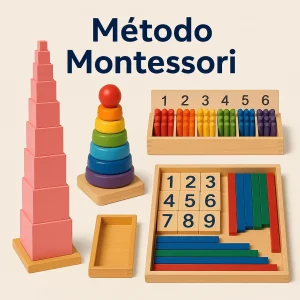
Montessori is not just a method of teaching; it’s a philosophy that emphasizes self-directed learning, hands-on activities, and collaborative play. Developed by María Montessori in the early 1900s, this approach seeks to nurture the full potential of children by providing them with an environment tailored to their developmental needs.
A Family’s First Encounter with Montessori
Consider the story of the Johnson family. They were struggling to help their five-year-old daughter, Ava, foster independence. With regular schooling, Ava often resisted tasks like dressing herself or cleaning up after playtime. Frustrated, her parents began searching online for solutions, ultimately leading them to the Montessori method. They found that Montessori encourages children to take initiative and make choices, and this inspired them to incorporate some of these principles into their home.
The Foundations of Montessori Education
At its core, Montessori emphasizes three key principles: respect for the child, the prepared environment, and the role of the teacher as a guide. This philosophy allows children to learn at their own pace, which can be particularly beneficial in a world where standardization often overlooks individual learning styles. By opting for a Montessori approach, parents might be setting their children on a path to flexible, lifelong learning.
Respect for the Child
One foundational principle of the pedagogía Montessori is respect for the child. This respect encompasses recognizing the child’s instincts, interests, and capabilities. The Johnsons learned to listen more closely to Ava’s interests. They noticed that when Ava was allowed to explore her passions—be it art, building blocks, or storytelling—she was more engaged and less prone to resistance. This made understanding the importance of autonomy and choice within educational settings clearer for them.
A Prepared Environment
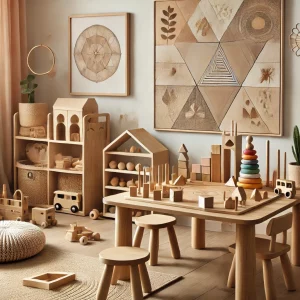
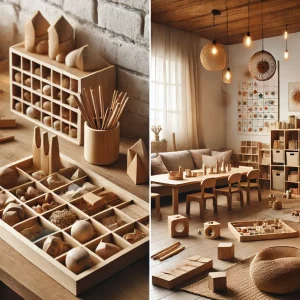
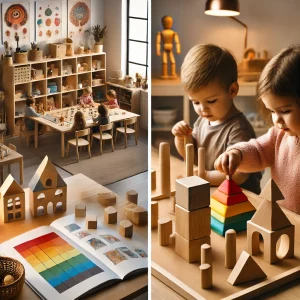
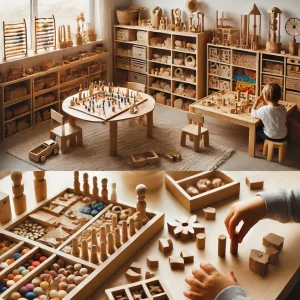
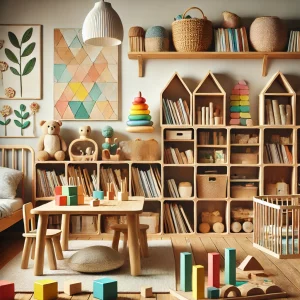
The prepared environment is another essential aspect of the Montessori method. This is an organized, inviting space that allows children to choose their activities. The Johnsons decided to create a Montessori-inspired play area in their home. They added low shelves with a variety of materials—puzzles, art supplies, and practical life tools—empowering Ava to select her activities freely. This restructuring transformed a chaotic play space into a serene zone where Ava could engage deeply with her interests.
Teachers as Guides
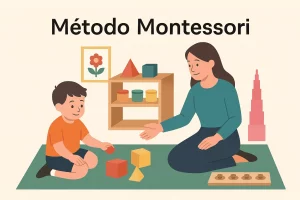
In a Montessori setting, the teacher’s role shifts from being a traditional instructor to a guide. This means facilitating learning rather than dictating it. For the Johnsons, this principle prompted them to take a hands-off approach. Instead of doing everything for Ava, they began to ask questions that encouraged her critical thinking. They found that asking, “What do you think happens if you try this?” invited Ava to explore solutions and develop her problem-solving skills.
Independence Through Montessori
Ava’s journey introduces us to the idea of independence within the Montessori framework. As her parents applied these principles, they noticed a significant shift in her demeanor. Tasks that once sent Ava into a meltdown became adventures of discovery. One afternoon, instead of getting upset about tying her shoes, she was determined to learn how. By utilizing resources they found on the Montessori Maria website, they accessed tips and tricks on teaching practical life skills in a supportive manner.
Real-World Applications of Montessori
Real-life experiences abound that showcase how families are integrating Montessori principles at home. For example, the Sánchez family organized weekly family meetings where each member could voice their ideas freely. This practice encourages all family members to express their thoughts and emotions—a vital aspect of the Montessori method. Not only did these meetings improve family dynamics, but they also helped the parents to better understand their children’s needs and aspirations.
Finding Montessori Schools Near You
If you are intrigued by the Montessori approach and want to find a program for your child, you’re in luck! The Montessori community is vast, with many schools and learning centers worldwide. To facilitate your search, don’t forget to utilize our website’s dedicated section for locating Montessori options. Just click here to get started on your journey to finding the right Montessori school for your child.
Benefits of Montessori Education
Enrolling your child in a Montessori school or incorporating these principles at home has numerous benefits. Montessori education promotes cognitive, social, and emotional growth in children. By fostering a love for learning, encouraging independence, and developing social skills through collaboration, children can thrive in both academic and personal settings. By looking into the método Montessori, you can gain a deeper understanding of how it impacts children’s lives positively.
Frequently Asked Questions
Parents often wonder how to start incorporating Montessori at home. Should you transform your space entirely? Not necessarily. Begin by observing your child’s interests and gradually introduce Montessori materials that resonate with them. For example, if your child enjoys cooking, introduce simple tools they can use safely. These practical life skills are a core component of Montessori pedagogy.
Seeking Assistance and Resources
Feeling a bit lost? Don’t hesitate to consult our AI assistant, MarÍA, on the Montessori Maria website. This innovative tool is designed to help guide parents through the Montessori methodology, answering questions and providing resources tailored to your specific needs.
Conclusion
Embracing the Montessori philosophy can be a transformative experience for both parents and children. By fostering independence, encouraging exploration, and treating children with respect, you set the stage for a lifetime of learning and curiosity. Start your journey today by exploring the Montessori approach through various resources, and remember to keep searching for Montessori opportunities tailored to your family’s needs. Together, we can foster a brighter, more independent future for our children.