Introduction
In today’s fast-paced world, it’s common for families to search for “Montessori near me” or “Montessori school near me” as they seek educational guidance and innovative approaches for their children. This quest often leads them to the rich offerings inspired by Maria Montessori. Our website is dedicated to providing a valuable Montessori locator and useful guides, helping families find the right educational environment for their little ones.
A Brief Biography of Maria Montessori
Maria Montessori was born in Italy on August 31, 1870. She became the first woman to graduate as a physician from the University of Rome in 1896. Through her medical practice, she began to focus on education and the development of children, particularly those with learning difficulties. Her revolutionary insights led her to create the Montessori method, emphasizing child-led learning, independence, and respect for a child’s natural psychological development. By establishing the first Casa dei Bambini (Children’s House) in 1907, Montessori laid the groundwork for a teaching philosophy that would inspire educators and parents around the globe. To dive deeper into her impact, you can explore María Montessori y su legado.
Understanding the Montessori Method
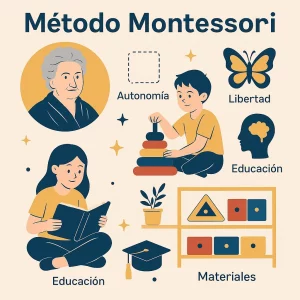
The método Montessori promotes a child-centered education, where students learn through exploration and discovery at their own pace. Teachers act as guides rather than traditional instructors, facilitating learning by providing materials that engage children in hands-on experiences. This methodology fosters independence, critical thinking, and a lifelong love of learning.
Practical Application: Reorganizing the Classroom
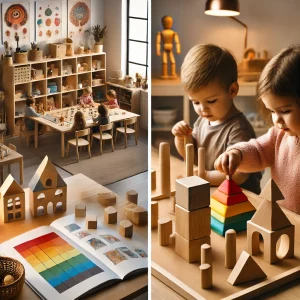
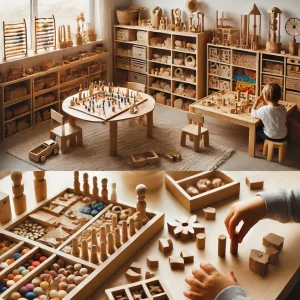
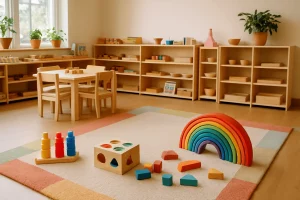
Imagine a traditional classroom, where desks are lined up in straight rows, and the teacher stands at the front lecturing. Now, envision the same classroom transformed into a vibrant and flexible learning environment: tables scattered around, areas for quiet work, collaborative projects, and zones filled with hands-on materials. A teacher embracing the Montessori approach may reorganize their classroom to reflect these principles, encouraging students to choose their activities and work at their own pace. This reconfiguration not only enhances student engagement but also promotes self-discipline and a sense of responsibility.
Creating an Independent Space at Home
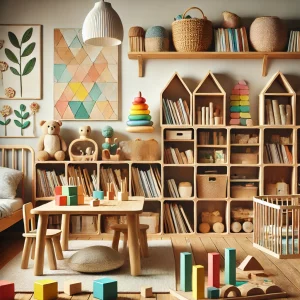
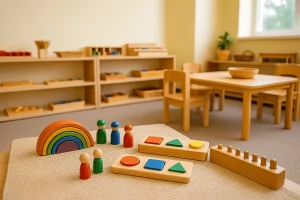
For parents looking to adopt Montessori principles in their home, setting up a child’s room for independence can be quite impactful. This might involve placing toys and materials within reach, allowing children to select their play activities. For instance, a parent might choose to use low shelves to organize books and learning materials, ensuring that their child can take ownership of their space. A small table and chair set at the correct height can encourage children to work independently on projects or enjoy reading, further building their confidence.
The Educational Philosophy of Montessori
The pedagogía Montessori revolves around understanding a child’s developmental needs and interests, creating an atmosphere that honors individual learning styles. A Montessori classroom is rich in sensory experiences and opportunities for imaginative play. This educational model not only supports cognitive development but also nurtures social and emotional growth by integrating activities that promote collaboration and empathy.
Incorporating Montessori in Daily Routines
Implementing Montessori principles can extend beyond formal education into daily life. For example, parents can involve children in household tasks, allowing them to participate in meal preparation or laundry. By breaking tasks into manageable steps, children develop practical life skills and a sense of accomplishment. This not only helps children gain independence but also instills a sense of responsibility and respect for their environment.
Enhancing Learning through Community
Many families are beginning to recognize the profound impact of community in the Montessori experience. Local Montessori schools often emphasize collaboration with parents, encouraging them to engage with educators and participate in school events. This collaborative environment fosters a supportive community, reinforcing the values of the Montessori approach and allowing for the sharing of resources, tips, and experiences.
The Future of Montessori Education
As awareness of the Montessori method spreads, it is vital to consider its evolving nature. The future of education may be influenced by Montessori regardless of its direct implementation. Schools, regardless of their affiliation, are increasingly incorporating Montessori strategies to foster creativity and critical thinking. For parents searching for suitable educational institutions, finding schools that either align with or incorporate Montessori principles is crucial. Our website offers a valuable resource where you can find Montessori schools in Terni, Umbria that may be ideal for your family.
Continuous Support through Technology
In an increasingly digital world, our AI assistant, MarÍA, on the Montessori Maria website, provides personalized guidance for parents navigating the Montessori landscape. Whether you seek answers to specific questions or require assistance in traversing the wealth of Montessori resources available, MarÍA stands ready to help make your journey smoother.
Conclusion
In today’s educational landscape, the Montessori method is gaining recognition for its emphasis on independence, respect, and a love for learning. By understanding the principles outlined by Maria Montessori, parents and educators can better support children on their learning journeys. From creating enriching environments at home to fostering community relationships and utilizing resources like our Montessori locator, families can embrace this transformative educational philosophy. Explore more resources and insightful articles by visiting our website, including our comprehensive guides on Montessori education tailored specifically for parents and educators, found at Montessori Education: A Comprehensive Guide.