Beginning the Journey with Montessori
Many families embark on their educational journey by searching for “Montessori near me” or “Montessori school near me.” This initial inquiry reflects a growing interest in Montessori pedagogy, which emphasizes child-led learning and holistic development. For those looking for Montessori options in their area, the Montessori Maria website provides a global Montessori locator. You can find local examples, such as the Montessori schools in Oberursel, Germany at this link.
Core Principles of Montessori Pedagogy
Montessori pedagogy revolves around several core principles that support independent learning. These principles include the prepared environment, autonomy, observation, and sensory learning. In this article, we will explore each of these principles and provide practical examples that can help parents, educators, and teacher-training students better understand how to apply them in real-life educational settings.
The Prepared Environment
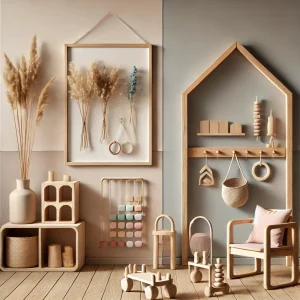
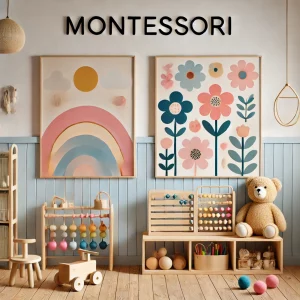
A prepared environment is essential in Montessori pedagogy. It refers to a thoughtfully organized space that invites exploration and learning. For a traditional classroom adapting to Montessori, consider rearranging furniture to create distinct areas for independent work, collaborative projects, and tactile learning. For example, placing shelves at a child’s height encourages them to select activities independently, fostering a sense of ownership over their learning.
Autonomy
Autonomy is a cornerstone of Montessori education. Children are empowered to make choices about their learning paths, which enhances their engagement and confidence. In a Montessori setting, a student teacher planning their first environment might allow children to choose activities that interest them, rather than following a rigid curriculum. This approach caters to individual learning styles and fosters a love for learning.
Observation
Observation allows educators to understand each child’s interests and abilities, enabling them to tailor instruction accordingly. For instance, if an educator notes a child’s fascination with nature, they can introduce related activities, such as planting seeds or studying the life cycle of plants. This individualized approach not only supports learning but also respects each child’s developmental pace.
Sensory Learning
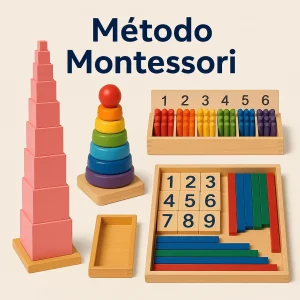
Sensory learning engages children’s senses in the learning process, making it more meaningful and memorable. For example, in a traditional classroom transitioning to Montessori, simple activities like sorting objects by size or color can be introduced. These hands-on activities can stimulate a child’s cognitive development while allowing them to explore the world around them.
Implementing Montessori Principles in Real Life
Implementing Montessori principles may seem daunting, especially for those new to this pedagogy. However, small, incremental changes can yield significant results. The key is to remain flexible and responsive to children’s needs, providing them with the freedom to explore within a structured environment. For more in-depth information, you can refer to our comprehensive guide on Montessori pedagogy at this link.
Adjusting a Traditional Classroom
Suppose a traditional classroom looks to incorporate Montessori principles. One effective method involves creating learning stations that focus on different areas of the curriculum. For instance, a ‘math station’ could have manipulatives to allow students to explore mathematical concepts intuitively. Doing so would encourage collaboration, communication, and self-directed learning.
A New Teacher’s Journey
For a student teacher planning their first Montessori environment, it’s crucial to begin with a clear understanding of Montessori philosophy, as explained in our introduction to Montessori pedagogy. Fostering a strong connection with the children and allowing them autonomy will facilitate a positive learning atmosphere. It’s important to remember that instead of simply imparting knowledge, the aim is to nurture a love for learning.
The Role of the Educator
In a Montessori setting, the educator functions more as a guide than a traditional teacher. This shift in perspective often takes time and practice. Educators can enhance their understanding of this role through dedicated resources. If you’re interested in exploring Maria Montessori’s impact and her educational philosophy, be sure to check out this informative article about María Montessori.
Creating a Child-Centered Environment
Creating a child-centered environment involves observing children and adapting the space, materials, and activities accordingly. A practical example could include allowing children to rearrange their learning space as they see fit. This adaptability is important in instilling a sense of responsibility for their environment and encouraging cooperation among peers.
Broader Applications and Reflection
As families, educators, and teacher-training students explore Montessori pedagogy, it’s beneficial to reflect on how these principles can apply not only in classrooms but in everyday life. For example, teaching children to take care of household responsibilities can instill valuable life skills. By approaching these tasks with the same principles of autonomy and sensory learning, a child can learn responsibility in a fun and engaging way while building a sense of competence in their abilities.
Continuous Learning
The journey into Montessori is ongoing, and exploring resources like the comprehensive guide for parents and educators can help support this process. Engaging with articles and discussions on effective strategies and adapting them to unique circumstances is a crucial aspect of mastering Montessori pedagogy.
Conclusion: Embracing Montessori Pedagogy
In conclusion, embracing Montessori pedagogy can be a transformative experience for children, educators, and families. By understanding the core principles and gradually implementing them into learning environments, we create opportunities that foster engagement, growth, and a love for learning. Whether you are a parent searching for “Montessori near me” or an educator in training looking to adapt your classroom, resources like this guide and more can provide ongoing support. Explore the Montessori Maria website for additional insights and tools that can help you on this journey toward a more child-centered approach to education.