Introduction
In today’s fast-paced world, parents and educators are increasingly searching for effective educational methods that nurture a child’s natural desire to learn. Phrases like “Montessori near me” or “Montessori school near me” frequently populate online searches as families seek trustworthy resources tailored to their educational philosophies. If you’re on this journey, you’ll be pleased to know that our website offers a helpful Montessori locator tool that can guide you to nearby Montessori environments, such as in Terni, Umbria. For reference, check out examples like this Montessori school or this locator that can simplify your search.
The Home Environment
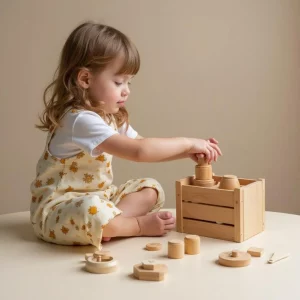
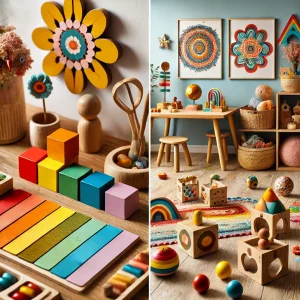
Creating a Montessori-inspired home can significantly enhance your child’s ability to learn through exploration and independence. A good starting point is to assess your home environment and adapt it to nurture a sense of autonomy in your child. For instance, consider making a dedicated kitchen space where your child can safely assist with meal prep. A Montessori-inspired kitchen might include child-sized utensils and accessible food items that promote engagement and skill-building.
Creating Independence
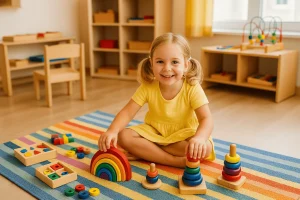
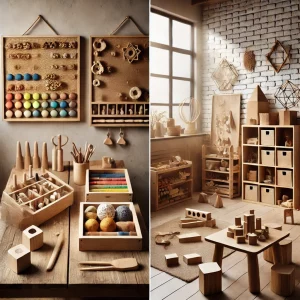
Independence is a core principle of Montessori education. Take a cue from teachers who adapt classroom shelves to cater to children’s needs; parents can replicate this at home by organizing toys and learning materials on low shelves that kids can access independently. This not only empowers them to pick and choose activities but also helps develop decision-making skills.
Real-Life Application
For example, a parent might create a “work station” within the living area filled with art supplies, educational tools, and books. This intentional setup encourages the child to explore and choose activities freely, fostering a love for learning at home.
The School Environment
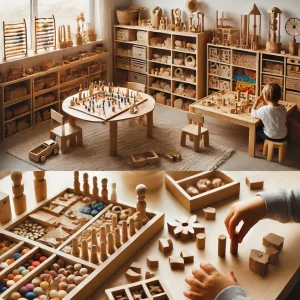
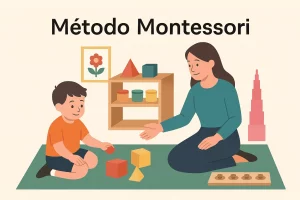
The classroom settings in Montessori schools focus on nurturing each child’s unique potential. Every aspect, from classroom layout to teaching methods, is meticulously planned to encourage self-directed learning. An excellent Montessori environment features mixed-age classrooms, where younger children learn from older peers, thereby creating a community of respect, collaboration, and lost art of conversation.
Example of Classroom Dynamics
Illustrating this model, consider how a teacher in a Montessori classroom might adapt lesson plans based on individual student interests. If a student shows keen interest in marine biology, the teacher might create a dedicated shelf filled with sea-related educational materials and tasks, empowering that student to explore independently.
Sparking Self-Regulation
Another key component in a Montessori school is fostering emotional intelligence. For instance, students might engage in a “calm-down corner” where they can retreat to regulate their feelings and restore focus. This type of setup not only teaches self-regulation but also promotes emotional awareness within a cohesive learning strategy.
Emotional Development
Emotional development is an often-overlooked aspect of education but is crucial in helping children navigate their social world. Montessori education emphasizes this area by encouraging healthy expressions of emotions and interpersonal skills. As educators guide children through cooperative tasks, they also cultivate empathy, respect, and effective communication skills.
Building Empathy an Understanding
Practical example: Teachers might incorporate story-sharing activities or group rounding sessions where students discuss their feelings and perspectives. Children learn to listen to one another’s experiences, thereby developing empathy. This journey into understanding oneself and others is vital for emotional maturity.
Encouraging Open Communication
Parents can support emotional development by encouraging open conversations about feelings in the home. Situations like family meals can become opportunities for expressing emotions and practicing active listening. Instead of merely addressing academic subjects, families who embrace Montessori values can help children articulate their thoughts and feelings fluently.
Conclusion
In summary, Montessori education, rooted in the principles laid out by María Montessori, offers a transformative approach for nurturing independence, cooperation, and emotional intelligence in children. If you are interested in exploring more, our website is filled with resources, including a complete guide to Montessori pedagogy and insightful articles to help you along the way. We also encourage you to utilize the Montessori locator tool to find nearby Montessori opportunities for your child. Whether it’s at home or at school, incorporating these principles of Montessori can lead to lasting benefits for your child’s educational journey.
Lastly, if you’re looking for a reliable companion on this Montessori journey, be sure to check out the Montessori Maria platform and its AI assistant MarÍA, designed to empower parents and educators with tools and information for a successful educational experience.