Introduction
In today’s educational landscape, many families find themselves searching for “Montessori near me” or “Montessori school near me” as they seek the right guidance for their children’s educational journey. Our website serves as a valuable resource, providing a Montessori locator and helpful guides to assist you in this quest. If you are one of those parents or educators eager to explore the world of María Montessori, you are in the right place.
Who Was María Montessori?
María Montessori was an Italian physician and educator born on August 31, 1870, in Chiaravalle, Italy. She was one of the first female physicians in Italy and developed a passion for education early in her career. Her innovative approach, which emphasizes independent, self-directed learning, led to the creation of the Montessori method, a global phenomenon that continues to influence education today.
Montessori’s experiences working with children who were considered “disabled” prompted her to rethink traditional educational methods. Her pioneering work began in 1907 when she established the first Casa dei Bambini (Children’s House) in Rome. Here, she implemented her educational philosophy, focusing on child-centered learning and the importance of the prepared environment. Her ideas were revolutionary, advocating for respect, observation, and nurture of a child’s natural interests.
The Core Principles of the Montessori Method
The Montessori method revolves around a few core principles:
- Child-Centered Learning: Children lead their own learning journey.
- Prepared Environment: Classrooms are designed to facilitate independent exploration.
- Mixed Age Groups: Children learn from each other in diverse communities, promoting social skills.
- Respect for the Child: The educational process is built on mutual respect and trust between educators and children.
Implementing Montessori in the Classroom
For educators, applying Montessori principles in the classroom can transform the learning environment. For example, a teacher might reorganize their classroom to create defined areas for different types of activities—such as reading, art, and science—allowing students to choose where to spend their time. This kind of classroom setup respects the child’s freedom to explore their interests and follow their curiosity.
Real-Life Example: A Montessori Classroom
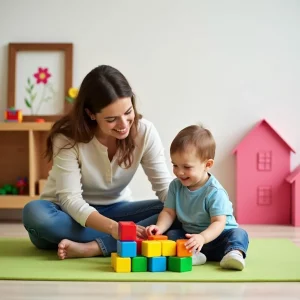
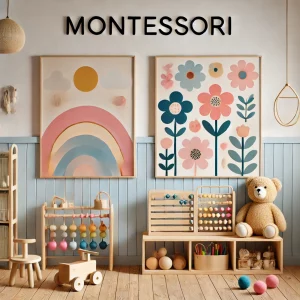
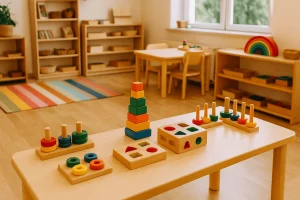
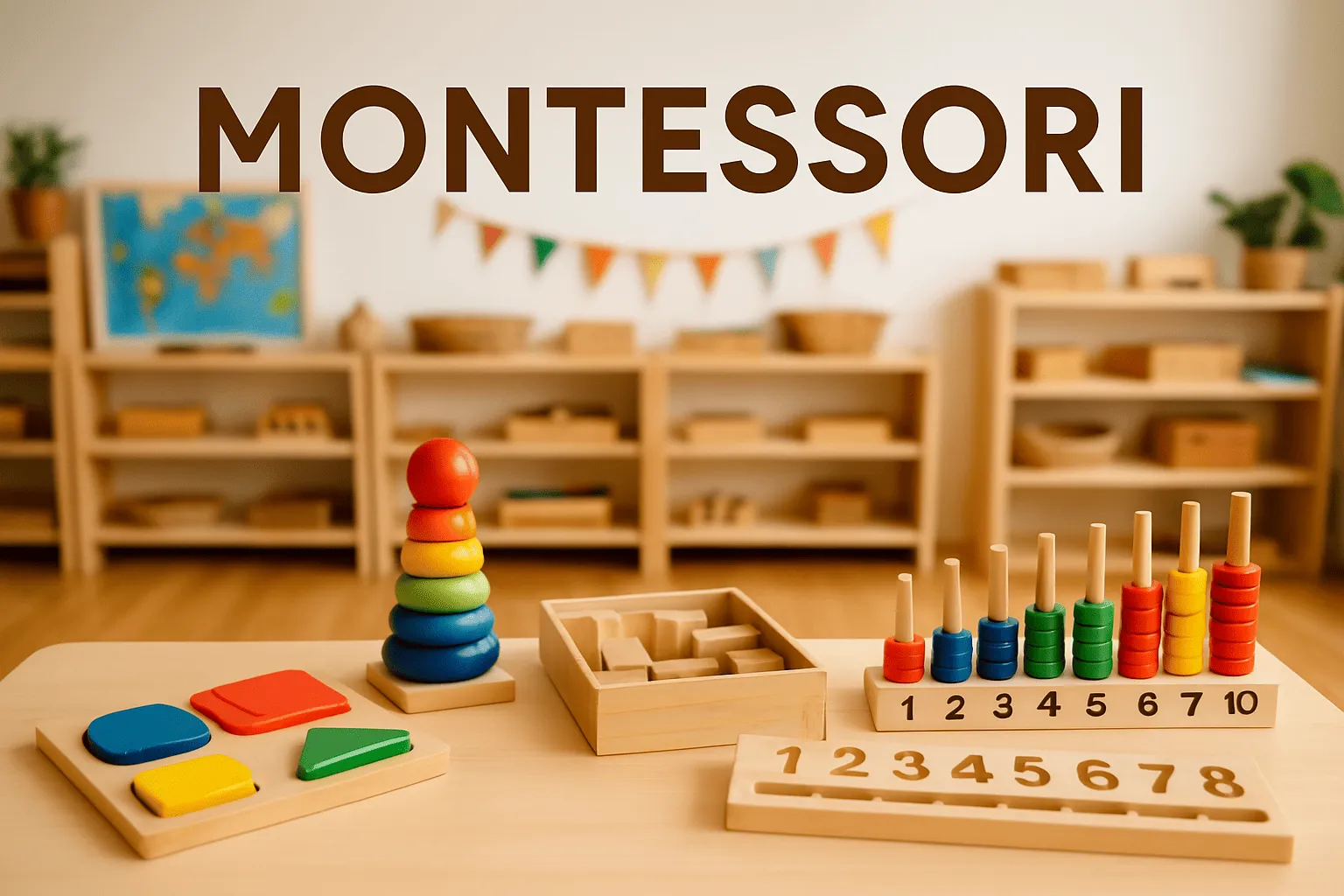
Imagine a classroom where the furniture is child-sized and organized to enable easy access to learning materials. In this space, children can freely move about, selecting items that intrigue them, whether it’s a mathematical puzzle or a cultural exploration kit. Teachers in this environment become facilitators, guiding the children without imposing rote learning. Such an atmosphere promotes creativity and critical thinking—key components of the método Montessori.
Fostering Independence at Home
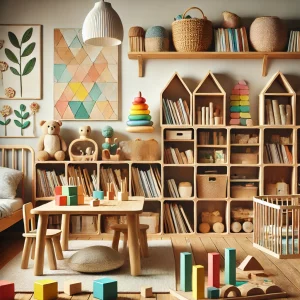
Parents can also apply Montessori principles at home to encourage independence and self-sufficiency. Preparing a child’s room to promote independence is a practical step. For instance, a child’s bedroom can be arranged with low shelves filled with toys and books, allowing the child to select what they wish to play with or read without needing adult assistance. A step stool can be provided in the kitchen, enabling the child to help with meal preparation or snack time.
Real-Life Example: A Montessori Home
Consider a scenario where parents embrace the Montessori philosophy during family meals. Instead of serving food themselves, they might lay out all the ingredients for a simple salad, encouraging their child to assemble their own meal. This small act nurtures decision-making and boosts confidence. The child learns to manage responsibilities in a safe and guided environment, embodying the spirit of pedagogía Montessori.
Resources for Parents and Educators
For those looking to delve deeper into the Montessori philosophy, numerous resources can enhance your understanding. Our website features an array of articles that cover various aspects of Montessori education, including understanding María Montessori and Montessori education topics designed for both parents and educators.
The Role of Community in Montessori Education
Community plays a vital role in the Montessori approach. Parents who engage in their children’s education by connecting with other families and educators can create a network of support. This community can provide valuable insights and ideas, reinforcing the shared mission of nurturing a love for learning in children.
In addition to community connections, the understanding Montessori pedagogy resource is a great place for parents and educators to start exploring how to foster an enriching learning environment.
Embracing Technology in Montessori Education
In today’s digital age, incorporating technology into Montessori education comes with its challenges and opportunities. While traditional Montessori methods emphasize hands-on learning, there is room to adapt digitally. For instance, using educational apps and interactive tools that align with Montessori principles can enhance learning while maintaining the essence of independence and curiosity.
Benefits of Montessori Education
The benefits of Montessori education are well-documented. Children in Montessori environments often show higher levels of creativity, problem-solving skills, empathy, and a love for learning. Moreover, the emphasis on self-directed activity helps children develop self-discipline and intrinsic motivation—skills that are foundational for lifelong learning.
Finding Montessori Schools
If you are looking for a Montessori school for your child, our Montessori locator can help guide you to institutions near your location. It’s essential to find a school that aligns with Montessori principles, ensuring a consistent learning experience for your child.
Conclusion
In conclusion, understanding and implementing Montessori principles can profoundly impact both educational practices and home environments. Whether you are a parent preparing your child’s room for independence or an educator reorganizing your classroom, embracing the wisdom of María Montessori y su legado will enrich your approach to learning.
For more insights on Montessori education, don’t hesitate to explore our resources for parents, educators, and aspiring teachers or check out our AI assistant, MarÍA, on the Montessori Maria website.