Introduction to Montessori Pedagogy
Many families today embark on their educational journey searching for “Montessori near me” or “Montessori school near me”. They are often seeking an alternative to traditional education, one that fosters independence, creativity, and critical thinking. To assist families and educators in this pursuit, the Montessori Maria website provides a global Montessori locator, helping you find local Montessori schools. For example, those in Oberursel, Germany can explore specific options at Montessori schools near you.
The Core Principles of Montessori Pedagogy
Montessori pedagogy is built upon key principles that promote a holistic approach to education. These principles include the prepared environment, autonomy, observation, sensory learning, and individualized learning. In the following sections, we will delve into each principle, accompanied by practical examples to illustrate their application.
Prepared Environment
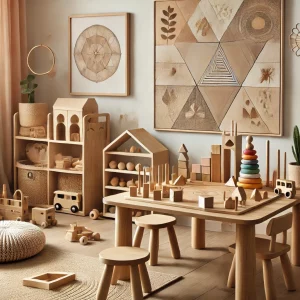
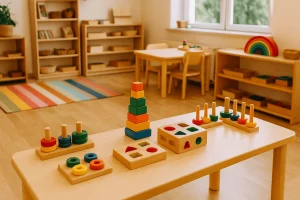
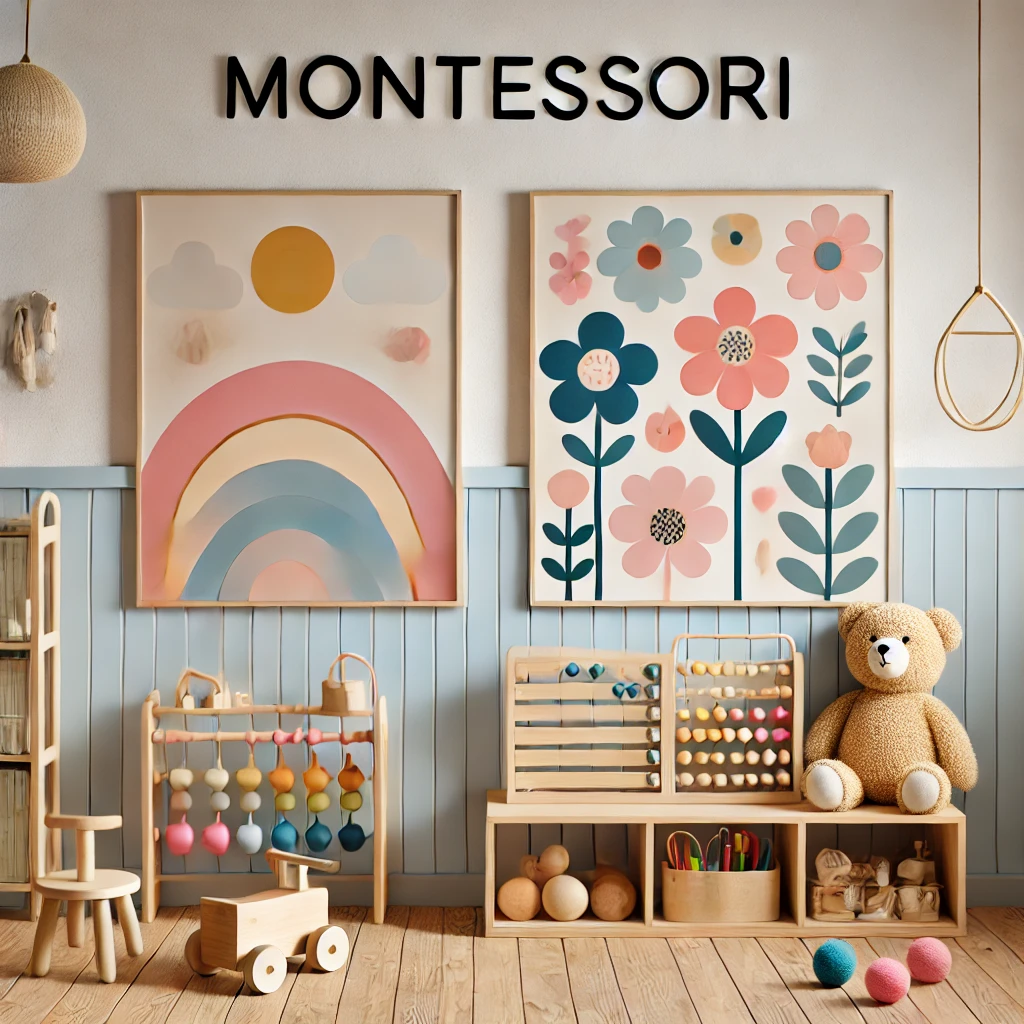
A prepared environment in a Montessori setting is thoughtfully designed to encourage exploration and learning. For instance, imagine a traditional classroom where desks are arranged in neat rows. An educator transitioning to a Montessori approach may rearrange the space into distinct learning areas with accessible materials, such as books, puzzles, and art supplies. This setup invites children to choose their activities based on their interests and developmental levels. For an in-depth exploration of this principle, visit our complete guide on Montessori pedagogy.
Autonomy
Promoting autonomy is a cornerstone of Montessori education. Children are encouraged to make choices in their learning process, fostering a sense of responsibility and self-discipline. For example, a student teacher may plan their first Montessori environment by incorporating choice into their lesson plans. Instead of prescribing activities, they could present various options and let students select what they want to work on. This approach not only fosters independence but aligns with the Montessori philosophy of child-led learning.
Observation
Observation is a crucial skill for Montessori educators. It allows them to understand the needs, interests, and developmental stages of each child. In a practical scenario, an educator might spend a week observing students before introducing specific materials. This initial observation helps them tailor the learning experience, ensuring that each child engages with activities that resonate with their current interests and capabilities. For more insights, check our article on understanding Montessori pedagogy.
Sensory Learning
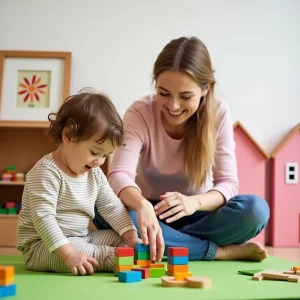
Montessori education emphasizes sensory learning by utilizing materials that appeal to the senses, allowing children to learn through hands-on experiences. For instance, in a Montessori classroom, students might work with sensorial materials such as tactile blocks or sound boxes. A traditional educator could transition their classroom by incorporating similar materials, allowing students to explore concepts such as volume, weight, or texture through direct interaction instead of merely reading about them.
Individualized Learning
Individualized learning acknowledges that each child learns at their own pace. In a standard setting, a teacher may instruct the whole class simultaneously, whereas a Montessori educator adapts lessons to suit individual learning styles. For instance, a teacher might offer a math lesson adaptable for different ability levels, allowing each student to engage with the material at a level that suits them best.
Implementing Montessori Principles in Various Environments
Whether you are a parent, educator, or a student teacher, integrating Montessori principles can enhance educational experiences. Let’s review how these principles can be applied in various educational contexts.
In a Traditional Classroom
Transitioning from a traditional to a Montessori-inspired classroom may seem daunting. However, simple changes can yield significant results. By creating learning centers with specific themes, such as math, language, and science, educators can encourage students to explore areas of interest at their own pace. In addition, adopting flexible classroom management strategies contributes to a more relaxed and engaging atmosphere.
For Student Teachers
Aspiring educators can benefit from understanding Montessori principles by observing seasoned Montessori educators and assisting in the classroom. New teachers should take time to position themselves as facilitators, encouraging student-led discussions and project-based learning activities. It is essential to embrace the values of autonomy and observation, allowing their students to guide their learning journeys.
Conclusion: The Transformative Power of Montessori Pedagogy
Montessori pedagogy offers a transformative approach to education that prioritizes the child’s natural development, fostering a love for learning. Parents, educators, and teacher-training students can enhance their understanding of this educational philosophy through resources such as an introduction to Montessori pedagogy or learning more about María Montessori herself. With the right approach and mindset, everyone can contribute to creating rich, engaging learning environments that resonate with the core values of the Montessori method.
For more resources, visit the Montessori Maria website and explore the latest articles for deepening your understanding of Montessori pedagogy, such as: