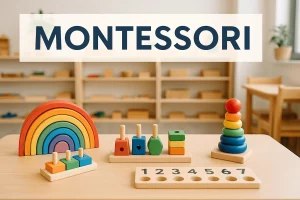
Introduction to Montessori Education
As parents and educators increasingly search phrases like “Montessori near me” or “Montessori school near me,” the interest in Montessori education is more relevant than ever. These searches reflect a longing for a holistic approach to learning that nurtures a child’s love of discovery and independence. Our website offers a handy Montessori locator tool to help parents find nearby schools, such as examples like Montessori school in Terni, Umbria. In this article, we will delve into how the principles of “educacion montessori” can be integrated into both home and school environments, ensuring emotional development as a core focus.
The Home Environment
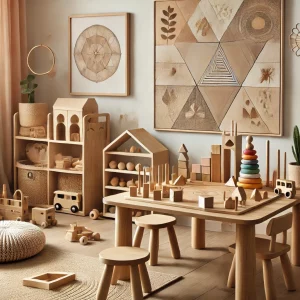
Creating a Montessori-inspired home environment can make a significant impact on children’s learning and development. Montessori believes that children flourish when they are in a prepared environment that promotes exploration and independence. Here are practical strategies for parents to implement this philosophy at home.
1. Prepared Environment
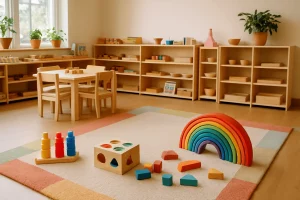
A fundamental aspect of Montessori education is the idea of a prepared environment. This means designing spaces that are accessible and inviting for children. For example, consider creating a Montessori-inspired kitchen space. Low shelving units can host child-friendly dishes, utensils, and ingredients, allowing children to safely engage in cooking activities. By including them in daily tasks, families help cultivate independence and a sense of responsibility.
2. Encouraging Independence
Another way to foster independence is to adapt your home’s storage solutions. For instance, a mother might notice her preschool-aged child often struggles to reach their toys. By rearranging shelves to be lower and more accessible, children can choose what they want to play with, reinforcing their autonomy and boosting self-confidence. This aligns with the principles discussed in our introduction to Montessori education.
The School Environment
In the school environment, the role of educators is to create a setting conducive to learning, exploration, and emotional growth. Here’s how the Montessori philosophy informs school practices.
1. Teacher as Guide
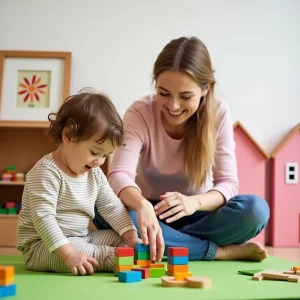
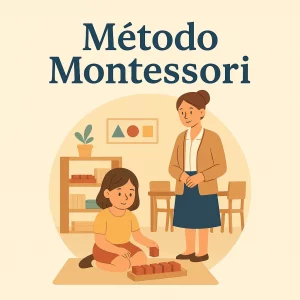
In a Montessori classroom, teachers adopt the role of guides rather than traditional authoritative figures. For example, a teacher might observe a child struggling to use a new tool and approach them only when invited. This respectful consideration fosters an atmosphere of trust and encourages self-directed learning. The Montessori Maria platform, which features a comprehensive guide to Montessori education, provides valuable insights into these dynamics.
2. Materials and Learning Experiences
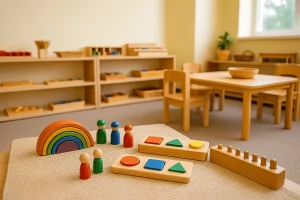
Using specially designed Montessori materials is another crucial element. These materials encourage hands-on learning through manipulation and sensory engagement. For instance, a classroom might be equipped with sorting materials that teach children categorization and organization. As students engage with these tools, they learn more than academics; they build critical thinking and problem-solving skills.
Emotional Development
Emotional development is an often-overlooked aspect of education. Montessori education places great emphasis on social skills, empathy, and self-regulation.
1. Building Emotional Intelligence
A key activity in Montessori settings is circle time, where children discuss feelings and experiences. For example, a child may share a recent frustrating experience, and the teacher guides the class in exploring empathy and appropriate responses. This kind of dialogue helps children understand their emotions and those of others better, contributing to their emotional intelligence.
2. Fostering Self-Regulation
Montessori classrooms also promote self-regulation through activities that require focus and attention. An example is the use of a “calm-down corner,” where students can retreat if they feel overwhelmed. This space, furnished with soft seating and calming resources like breathing exercises, empowers children to manage their emotions and return to activities when they feel ready. This approach promotes a crucial sense of agency and supports emotional resilience.
Conclusion
In conclusion, Montessori education, or “educacion montessori,” is a multifaceted approach that fosters independence, emotional intelligence, and sensory engagement both at home and in school. With the rise of searches for “Montessori near me,” it’s clear that parents and educators are eager to integrate these principles into their lives. For further exploration of Montessori pedagogy, including detailed strategies and insights, visit the comprehensive guide to Montessori education. Connect with the Montessori community through resources like the Montessori Maria platform and its AI assistant, MarÍA, for tailored support and information. Together, let’s create environments that nurture learning and emotional growth.