Introduction
In today’s fast-paced world, many families actively search for “Montessori near me” or “Montessori school near me.” They seek a nurturing and effective educational environment for their children that aligns with progressive teaching methods. To assist you in this journey, our website provides a Montessori locator and helpful guides designed to lead parents and educators in the right direction.
A Brief Overview of María Montessori
Maria Montessori was an Italian physician and educator, best remembered for developing the Montessori method of education. Born in 1870 in Chiaravalle, Italy, she became the first woman in Italy to earn a medical degree. Montessori’s approach emerged from her scientific observations of children’s natural development and learning capabilities. Her innovative ideas led to the establishment of Montessori schools worldwide, which prioritize child-led learning in a prepared environment that fosters independence.
Why Montessori Matters
The Montessori method has gained widespread recognition among parents and educators due to its emphasis on holistic development—catering to a child’s emotional, social, cognitive, and physical growth. Moreover, educational institutions and families are increasingly adopting this pedagogical approach in hopes of nurturing well-rounded, independent thinkers.
Real-Life Examples of Montessori in Action
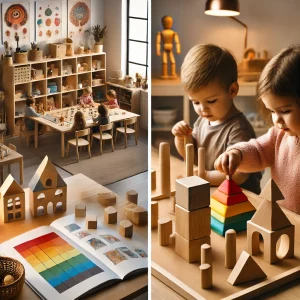
Implementing Montessori principles in homes and classrooms can be transformative. For instance, consider a teacher in a traditional classroom who decides to reorganize their space based on Montessori principles. Instead of rows of desks facing the front, they create learning stations with flexible seating arrangements and materials that encourage collaborative and self-directed activities. Each area becomes a mini-world where children can explore topics of interest.
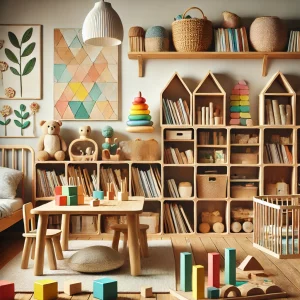
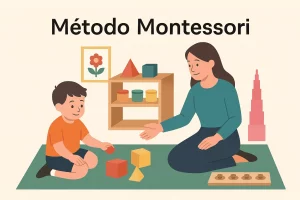
Alternatively, think about parents preparing their child’s room for independence. They might set up low shelving stocked with books, educational toys, and art supplies that the child can easily access. A small-sized table and chair are included, allowing the child to engage in creative activities freely. This preparation fosters a sense of ownership and responsibility, aligning with Montessori pedagogy values.
The Core Principles of Montessori Education
The Montessori method is grounded in several core principles. Here are some key concepts that guide its implementation:
Child-Centered Learning
At the heart of Montessori education is the belief that children learn best when they can choose their activities and explore subjects of personal interest. This approach respects each child’s unique learning style and pace.
Prepared Environment
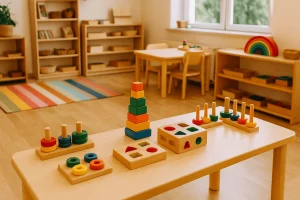
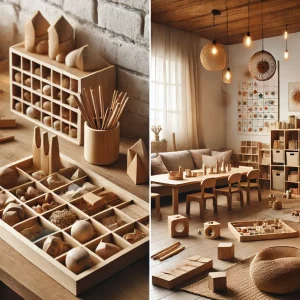
A Montessori classroom is a thoughtfully designed space filled with learning materials that cater to various developmental stages. This environment encourages exploration, discovery, and learning through hands-on experiences.
Hands-On Learning
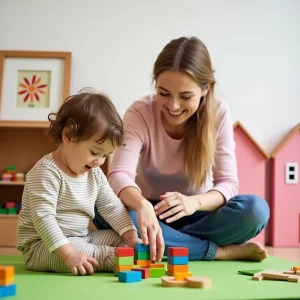
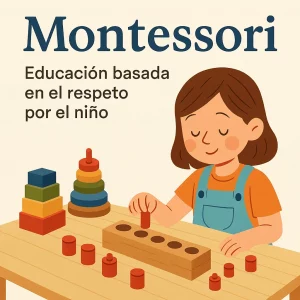
Montessori education focuses on experiential learning. Children engage with materials that allow them to learn concepts through tactile experiences rather than mere rote memorization.
Mixed Age Classes
Montessori classrooms typically contain children of various ages, allowing for peer-to-peer learning opportunities. Younger students learn from older peers, while older students reinforce their understanding by teaching concepts to younger ones.
Implementing Montessori Principles at Home
Parents can embrace Montessori principles even outside of a classroom setting. Simple adjustments in home environments can cultivate independence and responsibility in children. Consider arranging a dedicated space for homework that includes all necessary supplies. This space should be free from distractions, allowing your child to focus and manage their time effectively.
Independence and Responsibility
To promote independence, parents can involve children in daily chores according to their developmental abilities. For example, older children can assist with meal preparation or laundry, while younger ones can help set the table or sort laundry items. In this way, children learn valuable life skills, build self-esteem, and understand the importance of contributing to the family’s well-being.
Finding Montessori Resources
For those seeking further knowledge, our website provides a wealth of information about Montessori education. From insights into the Montessori method to detailed discussions on its applications in various settings, you’ll find valuable resources tailored to both parents and educators.
Additionally, feel free to utilize our AI assistant, MarÍA, available on the Montessori Maria website. It’s designed to assist those looking for answers about Montessori practices and theories.
Recent Articles on Montessori Education
For those interested in exploring more about this innovative educational method, check out these recent articles:
- Understanding Montessori Pedagogy: A Guide for Parents, Educators, and Teacher Training Students
- A Comprehensive Guide to Montessori Education: Empowering Parents and Educators
- Exploring the Montessori Method: A Guide for Parents Seeking Educational Harmony
- Understanding the Montessori Method: A Comprehensive Guide for Parents and Educators
- Understanding Maria Montessori: A Guide for Parents and Educators
Conclusion
In conclusion, understanding the principles of Maria Montessori can empower parents and educators to create nurturing environments that promote independent learning and holistic development. Whether you’re an educator in a classroom or a parent at home, the application of Montessori principles can lead to transformative educational experiences. Continue your exploration of Montessori resources through our website, where you can discover more about the Montessori connection in your area and elevate your child’s educational journey.