Exploring the Montessori Journey
Many families start their journey into Montessori education by searching for “Montessori near me” or “Montessori school near me.” It’s a common entry point for those interested in discovering alternative approaches to traditional education. Our website provides a global Montessori locator to connect families with nearby schools and programs. By visiting Montessori near me, families can find relevant educational opportunities, including specific locations like Oberursel, Germany, to compare options and align with their educational values.
Montessori Pedagogical Principles
Montessori pedagogy is rooted in several essential principles that guide its methodology and approach to education. This thorough understanding encourages engagement, autonomy, and a love for learning. Below, we explore the key principles: the prepared environment, autonomy, observation, and sensory learning. Each principle will be demonstrated through practical examples that illustrate how they can transform traditional classrooms into dynamic learning environments.
The Prepared Environment
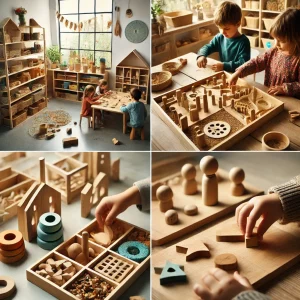
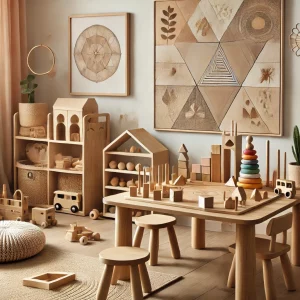
The prepared environment is a cornerstone of Montessori education. It involves arranging the classroom in such a way that it fosters independence and allows children to explore at their own pace. In a traditional classroom, this might mean reorganizing desks to create open learning spaces, providing access to various learning materials, and ensuring everything is within reach of the children. For example, a teacher could set up different learning stations around the room, each with engaging, hands-on materials that match different learning styles. This configuration encourages students to choose their activities based on interest and need, thus embracing the Montessori approach.
Fostering Autonomy
Autonomy is fundamental in Montessori pedagogy. Children are encouraged to make choices about their learning. A student teacher planning their first Montessori environment might start by designating areas for different subjects, allowing students to select the subject they wish to engage with first. This empowerment fosters responsibility and decision-making. Practicing such autonomy in a classroom setting can lead to incredible outcomes, as children learn to navigate challenges independently and develop critical problem-solving skills.
Observation as a Tool for Guidance
Observation in Montessori education is used as a tool to understand each child’s unique learning path. A practical example of this could be a teacher dedicating time each day to observe students as they interact with materials or each other. By doing so, the teacher can tailor their guidance and support to fit each individual child. For instance, if a teacher notices a student struggling with a specific task, they can introduce similar materials or lessons that help the student build confidence while mastering the skill.
Sensory Learning
Sensory learning is heavily emphasized in Montessori pedagogy, enabling children to learn through their senses. In a traditional classroom, this could evolve from using simple worksheets to incorporating hands-on materials. For instance, a lesson on shapes could transition from drawing shapes on paper to using tactile materials that children can manipulate. This practice allows children to physically explore and understand concepts in a more profound way, making learning both engaging and memorable.
Transitioning a Traditional Classroom to Montessori
Shifting to a Montessori environment from a traditional educational model may seem challenging, but there are manageable steps educators can take. The first step is to observe and assess the needs of the students. Following this, educators can organize classroom materials not only by subject but by theme or interest. For example, if children show interest in nature, integrating related activities across various subjects would be beneficial. Resources such as the guía completa sobre la pedagogía Montessori offer excellent insights on how to successfully implement these changes.
Institutional Support and Training
Part of the transition lies in obtaining proper support and training. Teacher-training students interested in Montessori education should seek programs that provide practical experience in a Montessori setting. This exposure will help them understand the challenges and rewards of applying Montessori principles effectively. Resources like the introducción a la pedagogía Montessori can be invaluable for those looking to deepen their understanding.
Research and Literature in Montessori Pedagogy
Research into Montessori education has increased over the years, providing parents and educators with evidence-based assessments of its effectiveness. Many universities now offer coursework related to Montessori methods as a part of their teacher-training programs. By prioritizing a Montessori education, parents are not only providing their children with a unique learning experience but are also investing in a method that has been proven to support academic and emotional development. Reading about María Montessori will offer insights into the foundational philosophies that support this educational approach.
Parent Involvement in Montessori Education
Parental involvement is crucial in Montessori education. Parents play a significant role in supporting their children’s autonomy and learning processes. Engaging with teachers and understanding the Montessori methods allows parents to reinforce lessons at home. Collaborating with teachers to create a consistent educational experience will foster a sense of community and shared responsibility. Such collaboration can enhance the child’s learning journey.
Finding Montessori Schools Near You
As families explore Montessori options, finding suitable schools nearby is vital. Resources like this link on Montessori schools in Italy or this link for another area in Italy provide families with concrete choices. Each location holds different philosophies and practices that can resonate with a child’s unique needs.
Wrap Up
In conclusion, understanding Montessori pedagogy is essential for parents, educators, and teacher-training students. By exploring the principles behind this transformative approach, individuals can provide a richer educational experience for the children in their care. Engaging with resources available on the Montessori Maria website equips educators and parents alike with the necessary tools and knowledge to make informed decisions and advocate for effective learning environments. Utilize the global Montessori locator to embark on this insightful journey toward a connected, nurturing approach to education.
Further Reading
For more articles on Montessori education, check out our recent posts: