Understanding the Search for Montessori Options
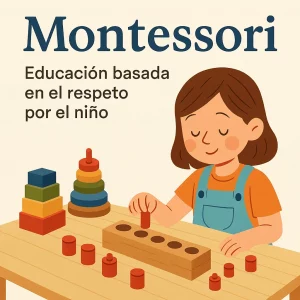
Parents around the world often find themselves scrolling through search engines, typing phrases like “Montessori near me” or “Montessori school near me” in hopes of discovering resources and educational opportunities for their children. The Montessori approach to education emphasizes independence, respect, and an understanding of children’s natural development stages, effectively answering the growing demand for innovative educational experiences.
To aid in this search, our website offers a robust Montessori locator tool, allowing parents to easily find local schools and resources tailored to the Montessori philosophy, ensuring that they can find the right fit for their child’s unique learning journey.
Creating a Montessori Home Environment
Transforming your home into a Montessori-inspired space can make all the difference in your child’s development. The key lies in fostering independence and hands-on learning. Start by assessing where and how your child interacts with their environment.
Montessori-inspired Kitchen Space
A practical example is creating a Montessori-inspired kitchen. Lowering shelves so that they are within reach allows children to select their own snacks or even assist in meal preparation. By providing child-sized utensils and containers, you encourage them to explore cooking safely. This setup fosters independence and promotes their decision-making skills.
Learning Materials Accessibility
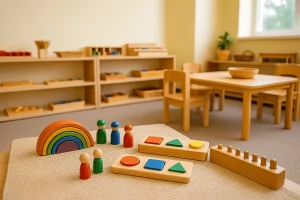
Ensure that learning materials are accessible. For instance, creating a dedicated area for books, puzzles, and art supplies on low shelves allows children to engage freely with their interests. The teacher’s role in a Montessori classroom often mirrors that of a parent at home—adapting the environment to promote self-directed learning.
Montessori in the School Environment
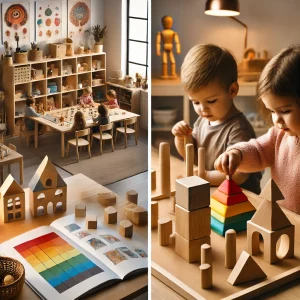
Transitioning to school, the Montessori approach emphasizes a carefully prepared environment that encourages exploration and learning at a child’s own pace. Classrooms are usually organized into distinct learning areas that invite children to engage in varied activities.
Teacher’s Role in Encouraging Independence
A quintessential feature of a Montessori classroom is the role of the teacher as a guide rather than a traditional authoritarian figure. For example, a teacher may observe a child struggling to reach a shelf and may take the initiative to lower the shelf height. This simple adjustment promotes independence, allowing the child to access materials without reliance on adult assistance. Such an environment nurtures their self-regulation and helps them build confidence.
Sensorial Learning Experiences
Another noteworthy aspect is the focus on sensorial learning. Teachers introduce tactile materials that enhance sensory perception. For instance, a child exploring different textures can develop fine motor skills while also engaging their observational skills as they describe what they feel. As emphasized in our introduction to Montessori education, these interactive experiences are vital for holistic development.
Emotional Development through Montessori Practices
The Montessori method places a strong emphasis on emotional growth, equipping children with the skills needed to navigate their feelings and interactions effectively. This approach is crucial for building resilient, empathetic individuals.
Self-Regulation and Emotional Intelligence
For example, during a conflict resolution lesson, a Montessori teacher might guide students through a discussion on empathy. Students can learn to express their feelings verbally rather than through frustration or aggression. This method not only improves their emotional vocabulary but instills a sense of accountability for their feelings and actions.
Building Community and Social Skills
Furthermore, the multi-age classroom setup promotes mentorship among students. Older children often help their younger peers, fostering a community where respect and collaboration flourish. This environment vastly improves social skills, as children learn to work together and appreciate differing perspectives.
Resources for Parents and Educators
For further insights into Montessori education, you may find a wealth of information through our comprehensive resources. Our guía completa sobre la pedagogía Montessori serves as an excellent starting point for parents and educators alike who are eager to dive deeper into this transformative approach to learning.
If you want to expand your understanding of María Montessori and her philosophy, explore our detailed articles that shed light on her teachings and influence on modern education. You can check them out in our section dedicated to María Montessori.
Conclusion
In conclusion, whether you’re a parent creating a Montessori-ready home or an educator striving to enrich a classroom environment, the essence of Montessori education rests on preparing environments that support autonomy and development. The practical implementation of these strategies can yield genuine benefits in cultivating lifelong learners. Begin your exploration today by discovering local resources and support through our Montessori locator tool and see how you can create a thriving educational experience for your child or students!
For ongoing updates and new insights into the Montessori method, check our latest articles at our website where you can find topics ranging from deep dives into educational strategies to the historical aspects of Montessori education:
- Understanding the Montessori Method
- Understanding Maria Montessori
- The Montessori Approach
- Exploring Montessori Pedagogy
- Understanding Montessori Education
To further enhance your journey, consider visiting the Montessori Maria platform and its AI assistant MarÍA, which offers personalized guidance and resources tailored to your family’s needs.