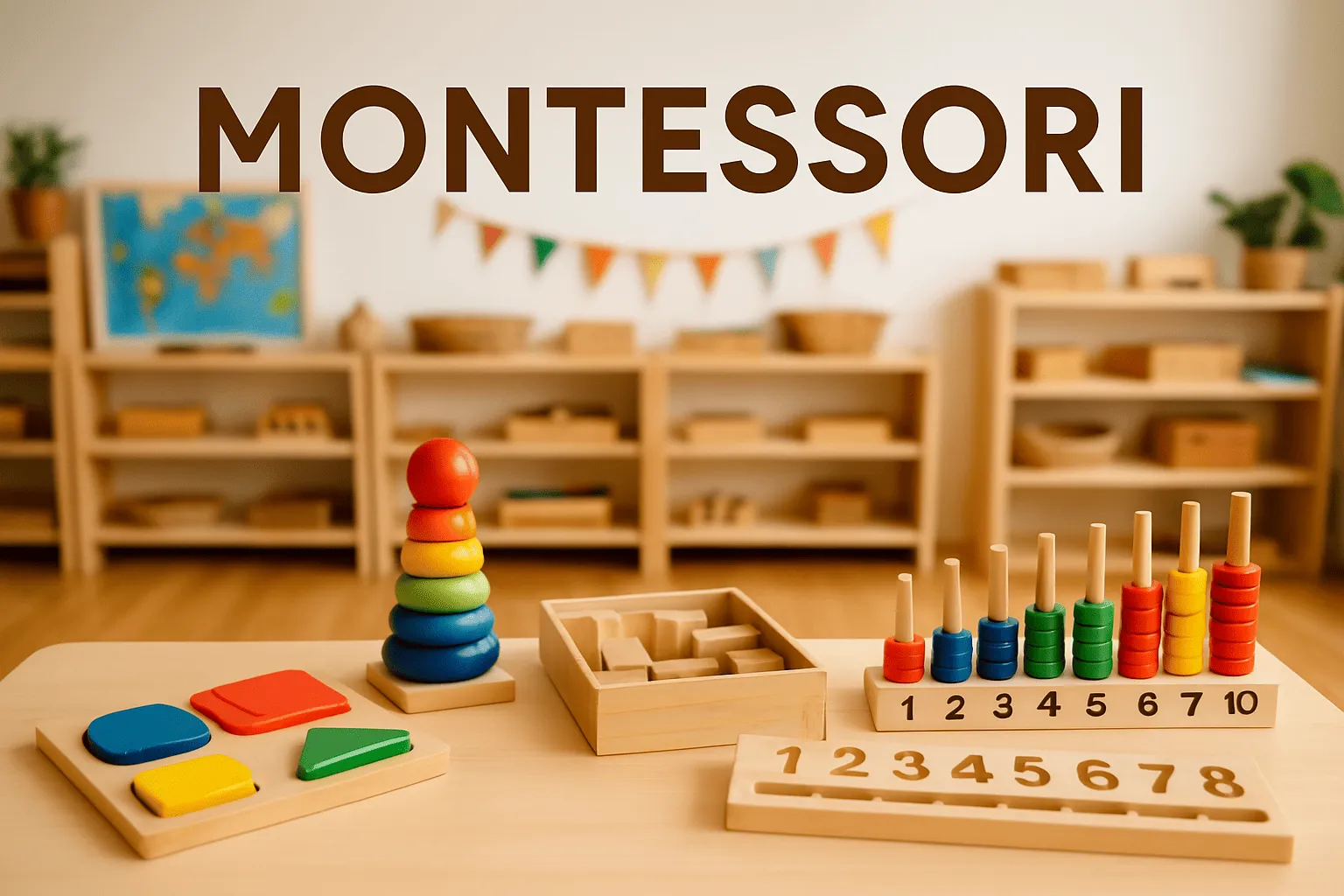
The Global Search for Montessori Resources
As interest in alternative educational methods grows, searches like “Montessori near me” and “Montessori school near me” reflect a widespread desire among parents and educators to access quality Montessori resources. These queries show us how increasingly common and important it is for families to find nurturing educational environments for their children. To assist in this endeavor, our website offers a Montessori locator that can guide you to schools and resources in your area, including international examples such as those found in Oberursel, Germany here.
What is the Montessori Method?
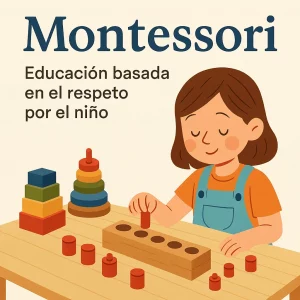
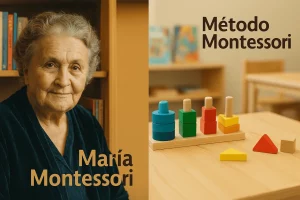
Developed by Dr. María Montessori in the early 20th century, the Montessori method is rooted in the belief that children learn best when they are allowed the freedom to choose their activities in a prepared, engaging, and thoughtfully designed environment. The Montessori approach emphasizes self-directed activity, hands-on learning, and collaborative play. Key principles include:
1. Respect for the Child
In a Montessori classroom, each child is viewed as an individual capable of self-directed learning. Their interests and choices are respected and considered leading components in the educational process.
2. The Prepared Environment
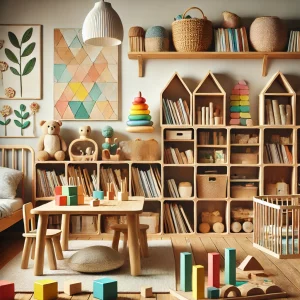
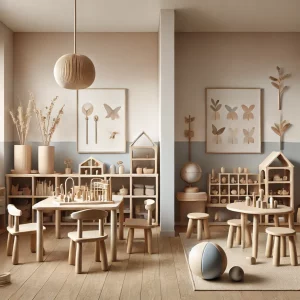
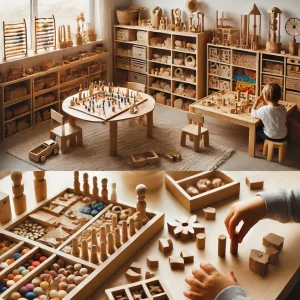
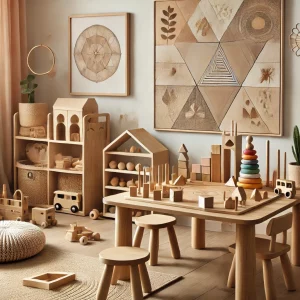
This concept refers to a space that has been carefully organized and equipped with materials that encourage exploration and learning. Classrooms are designed to be accessible, inviting, and conducive to independent work.
3. Mixed-Age Classrooms
Classes are typically composed of children across a three-year age range, fostering mentorship among peers and allowing children to learn from one another.
Real-Life Applications of the Montessori Method
While the theory behind the Montessori method is rich and varied, let’s consider two practical scenarios that embody its principles: a morning routine at home and a classroom setting.
Morning Routine at Home
Imagine waking up on a weekday morning in a Montessori home. Instead of a parent managing every task, children are encouraged to take the initiative. A child might start by choosing their clothes from a low-hanging rack suitable to their size, promoting autonomy and decision-making skills. After dressing, the children are encouraged to prepare their breakfast by selecting items they can manage independently, such as pouring cereal or spreading butter on bread. By allowing the child to take charge of their morning, parents foster independence and confidence—key tenets of the Montessori method.
Mixed-Age Classroom Scenario
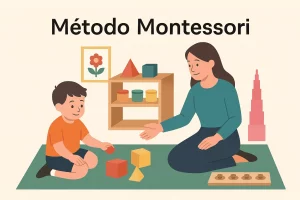
In a Montessori classroom, you may find children aged 3 to 6 engaged in various activities. A 5-year-old might be helping a 3-year-old with a puzzle. This interaction enhances the development of social skills and fosters a sense of community within the classroom. Children often learn at their own pace, with materials like sensory bins, practical life activities, and art supplies all made readily available. The teacher in this setting acts as a guide rather than an instructor, observing and facilitating learning opportunities rather than structuring every moment of the child’s day.
Benefits of the Montessori Method
The Montessori method offers numerous benefits that extend beyond academic knowledge. Some of these include:
1. Encouraged Independence
By allowing children to make choices, they develop self-reliance. The Montessori method teaches them to trust their abilities and make informed decisions.
2. Enhanced Social Skills
In a mixed-age environment, children learn from their peers. This promotes empathy, respect, and cooperation—skills essential for success in life.
3. Lifelong Love of Learning
When children are allowed to follow their interests, they cultivate a passion for learning that extends far beyond the classroom. This intrinsic motivation can lead to a lifetime of curiosity and exploration.
Challenges of Implementing the Montessori Method
While the Montessori method has significant advantages, it may not be without its challenges. Some educators and parents may find it difficult to adapt to a less structured educational environment. Additionally, there may be misconceptions about what Montessori education truly entails, leading to resistance or misunderstanding.
Misconceptions about the Montessori Method
One common misconception is that Montessori classrooms are chaos, with children running wild and unmonitored. In reality, while children are given freedom, this freedom exists within established limits and structure. The teachers provide guided oversight and support, ensuring a balance between autonomy and responsibility.
Expanding Your Montessori Knowledge
If you’re eager to learn more about the Montessori method, consider exploring Montessori pedagogy resources available online. The more you understand, the better equipped you’ll be to implement the principles in your own home or classroom.
Connect with Our Montessori Resources
For those looking for guidance, we encourage you to visit our Montessori Maria website and its AI assistant MarÍA, designed to help parents and educators navigate the complexities of Montessori education.
Final Thoughts
Understanding and implementing the Montessori method can be a rewarding journey for both parents and educators. Its focus on child-led learning fosters the development of independent, confident, and capable children. Whether you are searching for a school or looking to integrate Montessori principles into home life, our resources are here to support you. For more information and to find a Montessori option near you, visit our Montessori locator page and explore all the possibilities!