Understanding Montessori Education
As parents and educators around the world navigate the ever-evolving landscape of education, many find themselves searching for effective methods that nurture a child’s natural curiosity and desire to learn. One of the popular phrases often typed into search engines is “Montessori near me” or “Montessori school near me.” This dedicated search signifies an interest in finding the best educational resources available, particularly those aligned with the pedagogy of Montessori education. In our effort to assist, our website offers a Montessori locator tool that can guide you to nearby schools and resources, such as Montessori near me and specific schools like Montessori school near me.
Creating a Montessori Home Environment
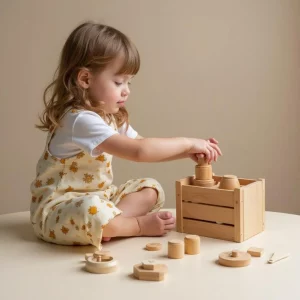
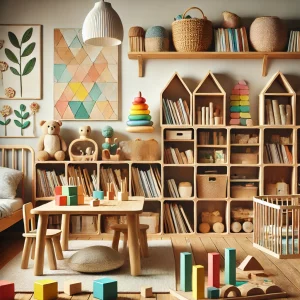
The Montessori philosophy is not just meant for the classroom; it’s a comprehensive approach to life and learning that can be incorporated at home. One of the core principles is enabling independence in children. For instance, a family could create a Montessori-inspired kitchen space by setting up low shelves that allow children to access utensils, plates, and even ingredients to make simple snacks. This setup empowers children to be self-sufficient and encourages their natural inclination to learn through doing.
Practical examples of independence
Consider a scenario in which a child helps prepare a meal. The accessibility of the kitchen items means they could select their favorites, measure ingredients, and even engage in light cooking with minimal adult intervention. This responsibility not only promotes practical skills but also tasks them with self-regulation, enabling them to manage their time and actions in a way that supports independence.
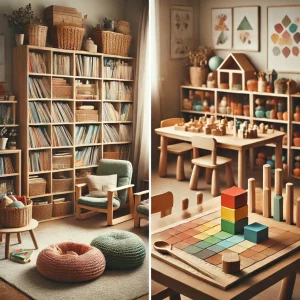
In their play areas, families can set up defined zones for activities. For example, a reading corner with accessible books encourages children to choose their materials freely. The design of the space, similar to how a Montessori educator might adapt the shelves in the classroom for independence, supports the child’s autonomy and decision-making skills.
Establishing a Montessori School Environment
For educators considering implementing Montessori principles, the classroom environment should reflect the freedom and respect afforded to children in the learning process. One way this can be achieved is by offering a variety of learning materials and experiences that cater to each child’s interests. For instance, a teacher might rearrange the classroom shelves to provide easy access to activities that promote hands-on learning. This thoughtful arrangement not only fosters independence but also ignites a passion for learning.
Concrete classroom practices
For example, a teacher might notice that a group of students is particularly interested in geography. To accommodate this interest, they could introduce interactive globes, maps, and cultural artifacts. By presenting learning materials that align with the children’s interests, educators create an enriching experience that is in line with the Montessori approach. This technique encourages natural exploration and solidifies learning through meaningful experiences.
The role of observation is central in a Montessori classroom. Teachers are encouraged to watch students engage with their environment to understand their needs and interests. Utilizing these observations, educators can tailor lessons and materials to help guide children in their learning journeys.
Nurturing Emotional Development through Montessori
One of the most significant benefits of a Montessori education is its focus on emotional and social development. The ability to self-regulate and interact positively with peers is crucial. Montessori classrooms are designed to cultivate these skills by providing a structured yet flexible environment that encourages children to take ownership of their learning and relationships.
Promoting emotional maturity
For instance, a classroom may include a peace corner, which is a designated space where children can go when they feel overwhelmed or need to process their emotions. By offering this space, educators help children learn to manage their feelings and develop strategies for conflict resolution. When children experience disagreements, they are often encouraged to communicate openly and work together toward solutions—skills that are invaluable both in and out of the classroom.
Additionally, educators can use lessons on sharing and empathy to foster emotional intelligence. For example, a lesson might involve role-playing various scenarios where children can demonstrate kindness and compassion. By integrating these practices within the classroom, educators support their students not only academically but also emotionally, preparing them for life beyond school.
The Role of the Montessori Maria Platform
As the world embraces the Montessori method, resources that support both parents and educators are crucial for effective implementation. The Montessori Maria platform and its AI assistant MarÍA provide invaluable information and guidance for navigating Montessori principles, offering a wealth of resources including articles on the benefits of Montessori education, classroom setup tips, and child development strategies.
In conclusion, whether you are a parent looking to enrich your child’s home life or an educator seeking to enhance your classroom environment, the Montessori approach offers a transformative pathway to learning. Stay informed and connected to the Montessori community through resources available online. Remember to utilize the Montessori locator tool to find schools and materials near you, as starting your child’s Montessori journey is just a click away. For more information, check out resources for schools such as Montessori near me – Little Sioux City, or consult the listings for Montessori near me – Lisbon City.