The Rise of Montessori Education
In today’s fast-paced world, many families find themselves searching for “Montessori near me” or “Montessori school near me” as they seek educational guidance for their children. Montessori education is becoming increasingly popular due to its unique child-centered approach and emphasis on fostering independence and curiosity in young learners. If you are one of these families, our website provides a Montessori locator and valuable resources to help you make informed choices about your child’s education. Explore our tools here(https://montessorimaria.com/en/montessori-near-me) and discover options like the well-regarded Montessori School in Terni, Umbria(https://montessorimaria.com/en/montessori-school-terni-umbria-471/).
A Brief Biography of María Montessori
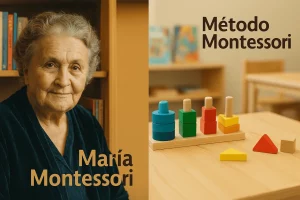
María Montessori was a pioneering Italian physician and educator born on August 31, 1870. She is best known for developing the Montessori Method, an educational approach that champions self-directed activity, hands-on learning, and collaborative play. Montessori’s journey into education began in the late 19th century when she worked with children with disabilities, which inspired her to create a teaching method that respects the natural development of children. She opened her first school, Casa dei Bambini, in Rome in 1907, and her educational philosophy has since influenced schools worldwide.
Real-Life Montessori Examples for Parents and Educators
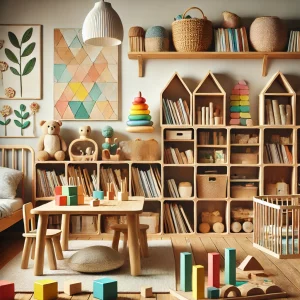
Implementing Montessori principles at home or in the classroom can be transformative for children. Parents often find great success in rearranging their children’s environments to promote independence. For instance, consider a child’s bedroom where everything is within reach, allowing them to dress themselves and pick up their toys without adult assistance. This setup not only fosters self-reliance but enhances their self-esteem as they accomplish tasks independently.
Classroom Transformation
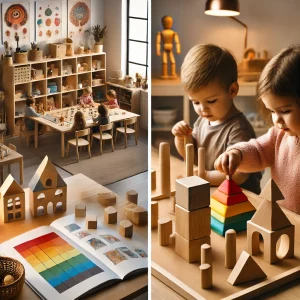
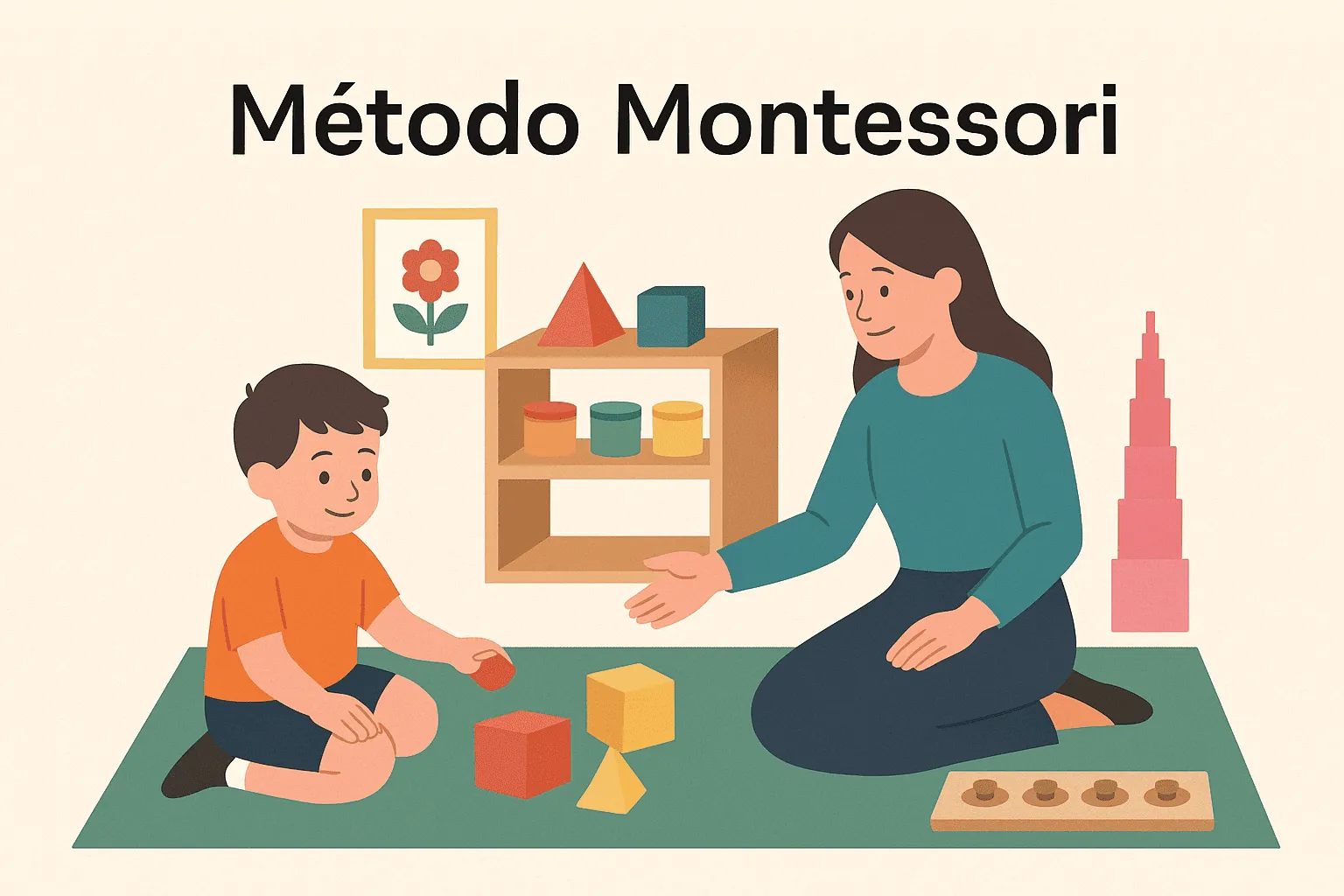
In a classroom setting, teachers can adopt Montessori principles by reorganizing learning spaces. A teacher might replace traditional desks with open spaces that encourage collaboration. Instead of lining children up for direct instruction, the teacher introduces materials on various workstations, allowing children to choose what they wish to engage with. This shift not only reflects the pedagogía Montessori but also nurtures a child’s innate sense of curiosity, allowing them to discover and explore themes at their own pace.
Fostering Independence
Parents looking to embrace Montessori principles can also focus on fostering independence through daily routines. For example, allowing children to participate in meal preparation can be an excellent way to develop their skills and understanding of nutrition. Small tasks, such as setting the table or washing vegetables, can encourage children to contribute and feel valued within the family unit.
Key Principles of the Montessori Method
The essence of the Montessori Method is rooted in several key principles: respect for the child, the absorbent mind, sensitive periods, and the prepared environment. Respect for the child involves recognizing their individuality and potential. The absorbent mind highlights children’s remarkable ability to learn from their surroundings in their early years. Sensitive periods refer to specific windows of opportunity for learning that occur throughout childhood. Lastly, the prepared environment is designed to optimize learning experiences and enhances self-directed exploration.
Preparing the Environment
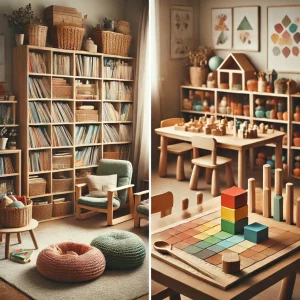
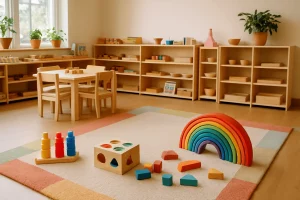
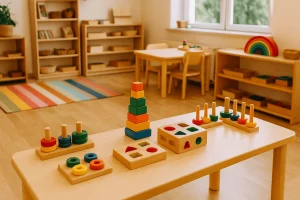
Creating a prepared environment involves selecting appropriate materials and organizing them in a way that children can easily access them. When setting up a Montessori-inspired space, consider using natural materials and ensuring that everything is child-sized. For instance, low shelves filled with books, art supplies, and puzzles can encourage children to engage in a variety of activities independently.
Incorporating Montessori in Everyday Life
Parents can easily incorporate Montessori principles into daily activities. For example, when going on outings, allow children to create their own shopping lists, encouraging numeracy and literacy skills in real-life contexts. Additionally, during playtime, provide open-ended materials that promote creativity and problem-solving, such as blocks, art supplies, or natural items like rocks and sticks.
Community Engagement and Montessori
As your interest in Montessori grows, consider joining local communities or online forums. Engaging with others who share similar interests can provide valuable support and ideas for implementing Montessori at home or in the classroom. Our AI assistant, MarÍA, can help guide you through this process and offer assistance on the Montessori Maria website(https://montessorimaria.com/).
Conclusion: The Lasting Impact of Montessori Principles
The influence of María Montessori and her educational philosophy continues to expand globally. More families are embracing Montessori educational practices and seeking resources to support their parenting and teaching journey. For additional insight into Montessori’s legacy, please explore our comprehensive article on María Montessori y su legado.
Further Resources
If you’re interested in exploring more about Montessori, check out our latest articles for parents and educators, including Discovering Montessori: A Comprehensive Guide for Parents(https://montessorimaria.com/en/discovering-montessori-a-comprehensive-guide-for-parents/), Montessori Pedagogy: A Comprehensive Guide for Parents and Educators(https://montessorimaria.com/en/montessori-pedagogy-a-comprehensive-guide-for-parents-and-educators/), and A Transformative Approach to Education for Parents and Educators(https://montessorimaria.com/en/maria-montessori-a-transformative-approach-to-education-for-parents-and-educators/). These resources will further equip you with the knowledge needed to fully embrace Montessori education.
In conclusion, whether you are a parent or an educator, understanding and applying the principles of María Montessori can bring significant benefits to the children in your care. From fostering independence to creating supportive learning environments, the Montessori approach not only transforms education but also enriches lives. To learn more, visit our website and discover how Montessori principles can enhance your educational journey!