Understanding the Montessori Journey
As families embark on their educational journeys, they often search for “Montessori near me” or “Montessori school near me.” This initial inquiry reflects a desire for quality education that nurtures children’s development. To assist in this search, we have provided a global Montessori locator on our website at Montessori near me. This tool can help families find local Montessori schools, like in Oberursel, Germany, at Oberursel.
What is Montessori Pedagogy?
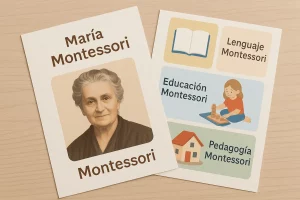
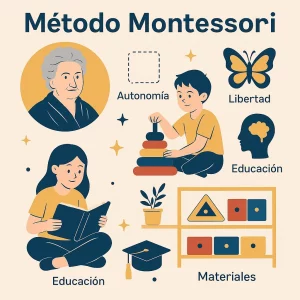
Montessori pedagogy, founded by María Montessori, is characterized by several core principles that promote a child’s natural learning process. Below, we explore these key principles and provide practical examples for their application.
Prepared Environment
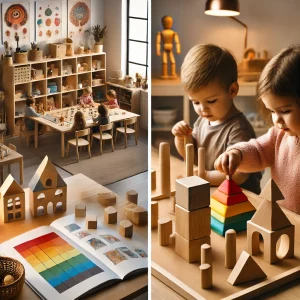
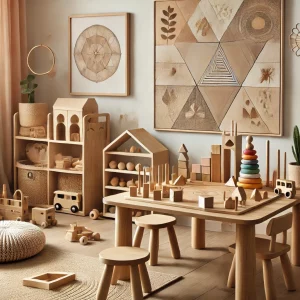
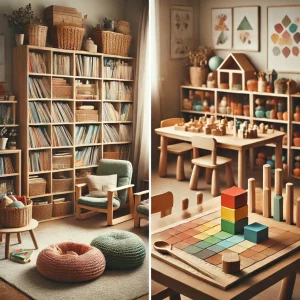
The prepared environment is fundamental to Montessori education. It includes carefully curated materials and spaces designed to inspire children to explore and learn independently. For instance, consider a traditional classroom being adapted to become a Montessori environment. Desks arranged in rows can be transformed into workstations with accessible shelves filled with various learning materials, such as puzzles, art supplies, and books. Children can freely choose their tasks, enabling them to engage in self-directed activities.
Real Example
In the traditional setting, the teacher often dictates the pace and content of lessons. However, in the new Montessori-inspired classroom, students might be given a choice between a few projects or activities each day. This shift fosters their ability to make decisions and take ownership of their learning.
Autonomy
One of the hallmarks of Montessori pedagogy is the emphasis on autonomy. Children are encouraged to take charge of their learning by making choices that promote self-discipline and responsibility. For a student teacher planning their first Montessori environment, incorporating autonomy might mean allowing students to decide when to work on specific subjects during the day.
Real Example
Imagine a classroom where children review their individual learning plans at the start of each day. They choose which subjects to tackle first and set goals for their time. This autonomy encourages them to engage with the learning process actively and teaches valuable time management skills.
Observation
Observation is a critical aspect of Montessori pedagogy, allowing educators to understand each child’s interests and needs. By observing students in action, teachers can tailor their approaches to facilitate optimal learning experiences.
Real Example
In a Montessori classroom, a teacher may notice a child spending an unusual amount of time with a particular set of math materials. Rather than intervening immediately, the educator observes to determine if the child is engaged or perhaps struggling. This observation informs future lessons and materials provided to the child.
Sensory Learning
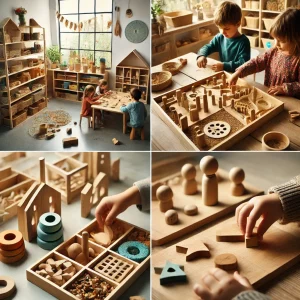
Montessori education emphasizes sensory learning, which engages a child’s senses through hands-on materials that facilitate understanding of complex concepts. In a Montessori setting, children interact with tactile resources that support various subjects.
Real Example
For instance, in a Montessori classroom focused on geography, children might use a globe and textured maps to explore different terrains. By feeling the maps’ elevations, children deepen their understanding of topography while actively engaging with the content through their senses.
Conclusion: The Montessori Approach in Action
As we explore Montessori pedagogy, it becomes clear how the principles of prepared environment, autonomy, observation, and sensory learning intertwine to create a transformative educational experience. For those interested in learning more, we encourage you to explore our guía completa sobre la pedagogía Montessori and the introducción a la pedagogía Montessori, resources designed for parents, educators, and teacher-training students alike.
Incorporating Montessori methods can revolutionize how children learn and interact with their environment. If you’re looking for more articles about this transformative approach, check out Exploring Montessori and Understanding Montessori Pedagogy.
We invite parents and educators to join the movement and see firsthand how Montessori pedagogy can foster a lifelong love for learning. For further assistance or questions, feel free to explore Understanding the Montessori Method and visit the Montessori Maria website for more resources.