The Beginning of the Montessori Journey
As parents and educators search for innovative educational methodologies, many find themselves typing in phrases like “Montessori near me” or “Montessori school near me” into their search engines. This quest often marks the beginning of their journey into a holistic approach to education, deeply rooted in the principles established by Dr. Maria Montessori. To assist in your search, our website offers a global Montessori locator where you can find nearby Montessori schools and resources. Check it out here, and for local examples, take a look at schools like those in Oberursel, Germany here.
What is Montessori Pedagogy?
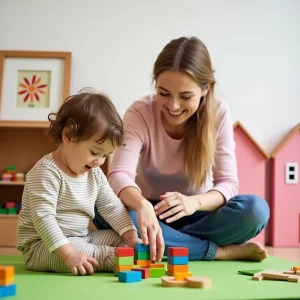
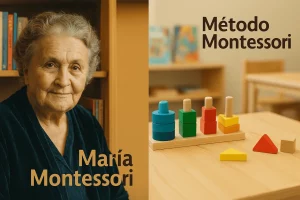
Montessori pedagogy is an educational approach developed by Dr. Maria Montessori, emphasizing self-directed activity, hands-on learning, and collaborative play. This method values the natural developmental stages of children, allowing them to explore, discover, and learn at their own pace. It’s designed to create an engaging and nurturing learning environment that fosters independence, critical thinking, and respect for the natural world.
Prepared Environment
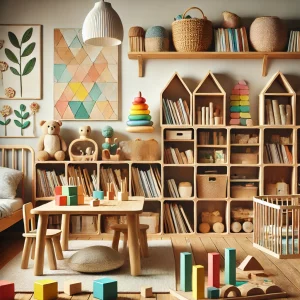
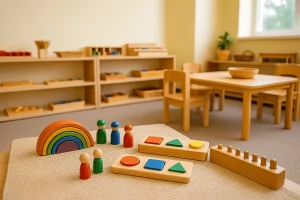
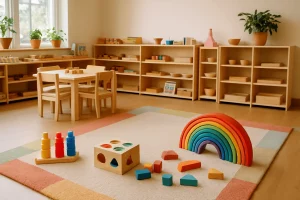
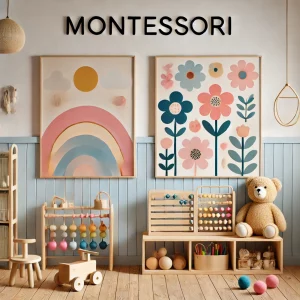
One of the fundamental principles of Montessori pedagogy is the ‘prepared environment.’ This concept involves creating a space that is specifically designed to meet the developmental needs of children. For instance, in transforming a traditional classroom into a Montessori environment, furniture is arranged to facilitate both individual and group work. Materials are placed on accessible shelves, inviting children to choose their activities. This setup encourages autonomy as children can select materials based on their interests and needs.
Practical Example: Transforming a Traditional Classroom
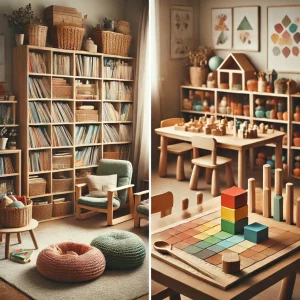
Imagine a teacher named Sarah who is transitioning her traditional fifth-grade classroom into a Montessori-inspired space. Instead of rows of desks, she arranges small tables and cushions around a central rug. She sets up different learning zones, including a reading corner with books and cozy seating, a math area with manipulatives, and an art station stocked with supplies. This open layout not only invites exploration but also fosters collaboration among students. For a deeper understanding of how to create such environments, refer to our complete guide on Montessori pedagogy.
Independence and Autonomy
At the heart of Montessori pedagogy is the belief in fostering independence and autonomy in children. Montessori classrooms are designed to promote self-directed learning, enabling learners to take charge of their education. This hands-off approach from educators encourages children to explore their interests and learn from their mistakes.
Practical Example: Student Teacher’s First Planning
Consider a student teacher named John who is planning his first Montessori environment. Instead of dictating activities, he sets the stage for independence by providing various materials related to current topics. John prepares a lesson on ecosystems and places books, diagrams, and science kits around the room. He encourages his students to choose how they want to engage with this topic — through reading, building models, or conducting experiments. This model highlights how children benefit from taking control of their learning and pursuing their interests actively.
Observation
Another crucial principle of Montessori pedagogy is observation. Educators play the role of guides or facilitators, observing students as they work to understand their interests, strengths, and areas for growth. This understanding allows teachers to tailor lessons and activities to meet individual needs.
Practical Example: Observational Insights
Suppose a teacher named Emily observes her students during different learning activities. She notices that while some children flourish with visual materials, others thrive in kinesthetic tasks. By recording these observations, Emily can curate the curriculum to engage every child’s learning style, thereby enhancing the educational experience for all. For further insights into the application of these observations, refer to our comprehensive guide on Montessori pedagogy.
Sensory Learning
Montessori pedagogy promotes sensory learning, emphasizing the importance of engaging the senses in the educational process. Montessori materials are designed specifically to be tactile and interactive, encouraging exploration through touch, sound, and sight.
Practical Example: Sensory Activities
In a Montessori classroom, children might use uniquely crafted materials like texture boards, sound cylinders, or geometric solids to improve their sensory skills. For instance, a child named Mia could learn about shapes and spatial relationships by manipulating geometric solids, allowing her to identify and differentiate shapes through touch and observation. This hands-on approach cultivates an understanding that goes beyond mere memorization of facts.
Collaborative Learning
Finally, Montessori classrooms encourage collaborative learning, where children learn from each other. Older students often act as mentors to younger ones, fostering a sense of community and cooperation. This collaborative practice not only enhances social skills but also solidifies knowledge as children teach one another.
Practical Example: Peer Learning
For example, in a mixed-age classroom, a boy named Lucas might work on a math project with younger students. As he explains concepts learned in previous lessons, he reinforces his understanding while simultaneously aiding the learning of his peers. Such interactions exemplify the collaborative spirit fostered in Montessori pedagogy and reflects the importance of community in the learning process.
Conclusion: Embracing the Montessori Method
As you embark on your journey into Montessori pedagogy, remember that the principles of the prepared environment, autonomy, observation, sensory learning, and collaborative practices are all essential for nurturing well-rounded, independent learners. By incorporating these principles, educators and families alike can create enriching educational experiences that promote growth and development in children. For a comprehensive look at Montessori education, explore our complete guide.
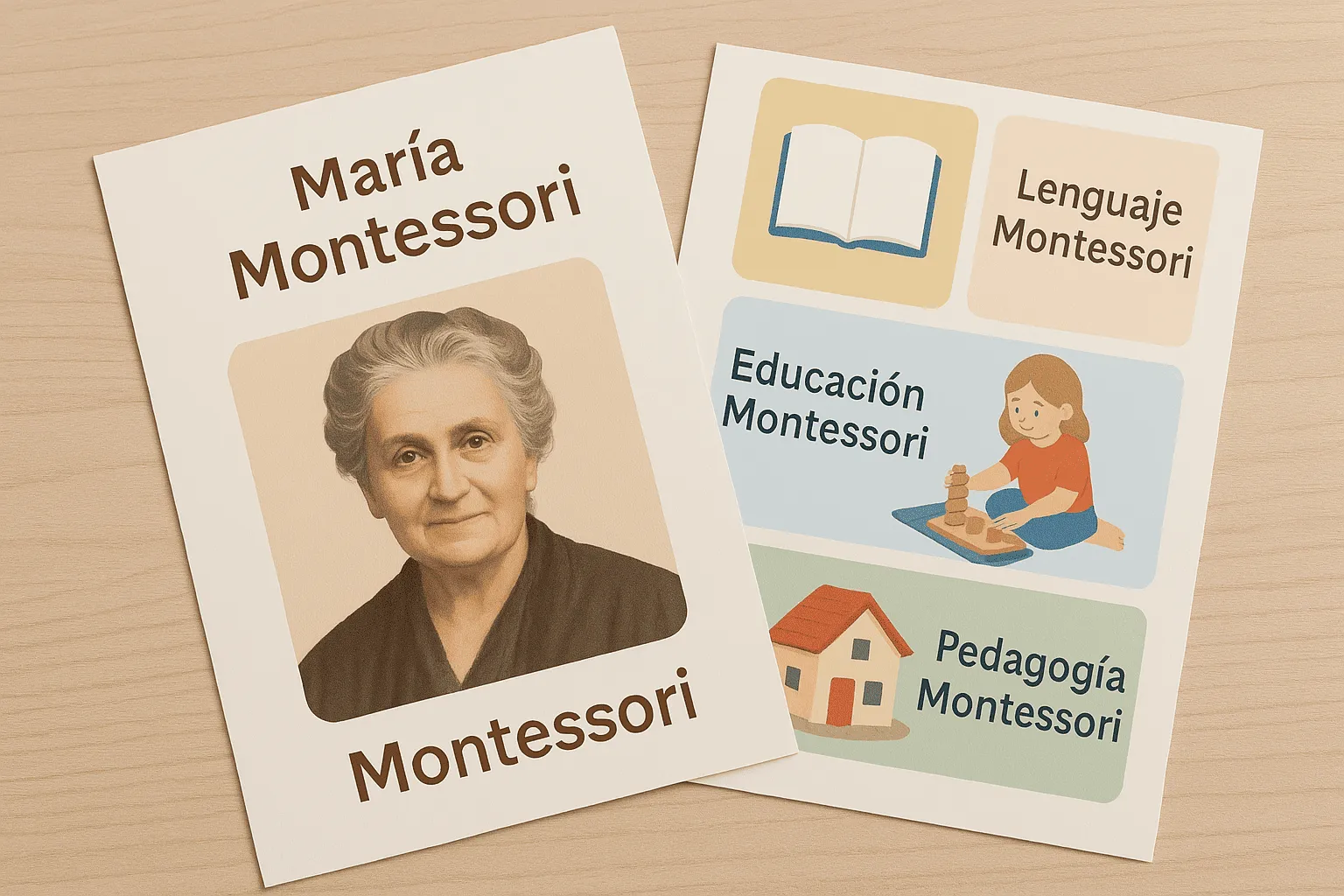
To deepen your understanding of this transformative educational method, don’t forget to check our other resources on the Montessori Maria website. Discover more about the Montessori method, delve into the life of Maria Montessori, and explore practical applications of Montessori strategies for your teaching journey.
Your exploration of Montessori pedagogy can lead to enriched educational experiences that honor each child’s natural learning journey. Start your exploration by visiting the Montessori Maria website today!