Introduction
In today’s fast-paced world, many families seek the best educational options for their children, turning to search engines with phrases like “Montessori near me” or “Montessori school near me.” As more parents and educators explore the benefits of the Montessori method, our website provides a valuable Montessori locator and helpful guides to assist in this journey. If you’re on the lookout for quality Montessori education, visit our page on Montessori near me and discover resources tailored for your needs.
A Brief Biography of Maria Montessori
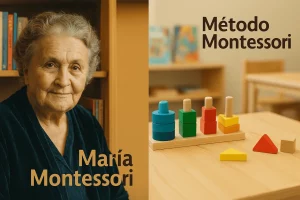
Maria Montessori was born on August 31, 1870, in Chiaravalle, Italy. In a time when women’s opportunities for higher education were limited, she persevered and eventually became Italy’s first female physician. Her medical training led her to work with children with disabilities, where she developed her educational philosophy grounded in respect for the child and an understanding of their natural development. She opened her first school, the Casa dei Bambini (Children’s House), in 1907, applying her innovative methods. As a pioneer in early childhood education, her legacy continues to shape how we nurture young minds today. To learn more about her significant contributions, check out our article on María Montessori y su legado.
The Montessori Method: An Overview
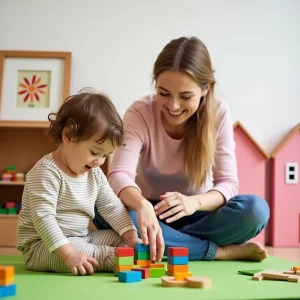
The método Montessori focuses on child-led exploration and learning, allowing children to follow their interests and develop at their own pace. This pedagogical approach encourages independence, critical thinking, and a love for learning. In a Montessori setting, teachers serve as guides rather than traditional instructors, helping to foster an environment where children feel free to choose their activities and direct their learning journeys.
Real-Life Examples: Implementing Montessori Principles
The principles of Montessori education can also be applied outside of the classroom in everyday settings. For instance, a teacher might reorganize their classroom space to encourage interaction and creativity. By creating designated areas for different activities—like art, science, and reading—teachers can allow students to move independently and engage with materials that resonate with them.
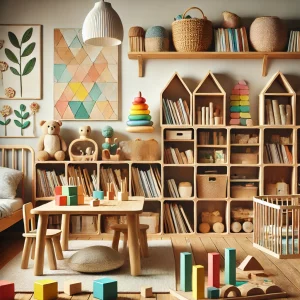
Similarly, parents can incorporate Montessori principles at home. A practical example is preparing a child’s room for independence. By arranging furniture and materials within reach, such as a low bookshelf filled with books or art supplies stored in accessible bins, children can take charge of their environment. This preparation fosters autonomy, allowing children to choose their activities and develop confidence in their decision-making skills.
Montessori Pedagogy: A Transformative Approach
Understanding pedagogía Montessori is essential for both educators and parents to create an enriching environment for children. This approach emphasizes hands-on learning, exploration, and the importance of a prepared environment that caters to children’s developmental needs. By recognizing the significance of freedom within limits, Montessori education fosters a sense of community and collaboration among students.
The Role of Educators in Montessori Settings
In a Montessori classroom, educators play the vital role of facilitators. For example, a teacher may introduce a new material to the class while observing the children’s reactions and interests. By closely monitoring their progress and interactions, the educator can tailor subsequent lessons or activities that align with the children’s passions. This individualized attention is one of the hallmarks of Montessori education, ensuring every child feels supported in their learning journey.
Supporting Montessori Principles at Home
Parents can complement the Montessori experience by incorporating its principles into daily routines. For instance, involving children in household chores not only teaches responsibility but also nurtures practical skills. Tasks like cooking, cleaning, or gardening can promote independence and a sense of accomplishment. This connection between home and school solidifies the values taught in Montessori classrooms.
Preparing for Independence
Creating an environment that supports a child’s quest for independence is essential. Simple changes, such as using child-sized furniture or making learning materials easily accessible, can empower children. For example, a small table and chair set can encourage a toddler to engage in art projects or read independently without needing constant adult assistance. This focus on autonomy lays the groundwork for future success in both academic and personal realms.
Finding Montessori Schools Near You
If you’re interested in finding a Montessori school for your child, our website offers a handy locator tool. Searching for “Montessori near me” can yield numerous results, but not all schools operate under the true principles of Maria Montessori. It’s important to research schools thoroughly to ensure they align with Montessori philosophy and practices. For more information, visit our Montessori locator to connect with institutions near you that commit to this transformative educational approach.
The Role of Technology in Montessori Education
In today’s digital world, integrating technology into Montessori education can enhance learning without overshadowing the hands-on activities that are central to the method. Educators can utilize educational software and apps that align with Montessori principles, allowing children to engage with content in an interactive way. However, balancing screen time with traditional learning methods is crucial for holistic development.
Innovative Practices in Montessori Classrooms
Innovative practices within Montessori classrooms are ever-evolving. Educators are increasingly finding ways to incorporate nature and outdoor learning, understanding the benefits that fresh air and physical movement offer to children’s learning processes. Activities like gardening or nature walks can perfectly align with Montessori’s emphasis on experiential learning. Moreover, integrating elements of sustainability into the curriculum empowers children to be conscientious global citizens.
The Future of Montessori Education
As Montessori education expands globally, there is a growing community of educators and advocates dedicated to refining and promoting Maria Montessori’s vision. Schools are continually adapting to meet the changing needs of modern families while staying true to foundational principles. To stay updated on the latest trends and research in Montessori education, parents and educators can benefit from visiting our recent articles such as Exploring Montessori: A Comprehensive Guide for Parents and Understanding Montessori Pedagogy.
Conclusion
Maria Montessori’s educational philosophy remains impactful and relevant today. Whether you are a parent seeking the best education for your child or an educator aiming to enrich your teaching practice, embracing Montessori principles can lead to profound change. With resources like our AI assistant MarÍA available at on the Montessori Maria website, you can access support and guidance every step of the way. By investigating the principles of Montessori education and finding the right environment for your child, you are investing in a brighter future filled with lifelong learning and passion.
For further reading on Montessori education, consider exploring our recent articles such as Embracing Montessori Education and Discovering Maria Montessori. Your journey into the Montessori world begins here!