Understanding the Montessori Movement
As your search for educational options for your child begins, you may find yourself typing phrases like “Montessori near me” or “Montessori school near me” into your search engine. The term ‘Montessori’ invokes a philosophy of education developed by Dr. María Montessori over a century ago. Families world over are drawn to this method, seeking schools and resources that align with Montessori principles. Here at Montessori Maria, we provide a helpful search and guide section designed to connect you with Montessori-inspired learning environments globally. For example, if you’re located in Terni, Umbria, we have detailed information about the comprehensively engaging Montessori school in Terni.
What is the Montessori Method?
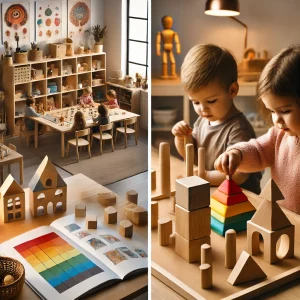
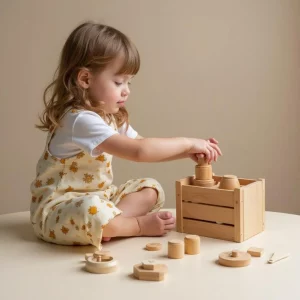
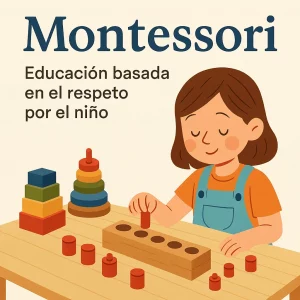
The Montessori method is an educational approach based on the natural development of children, emphasizing independence, respect, and a passion for learning. Children are viewed not as vessels to be filled with information, but as active participants in their educational journey. This philosophy encourages hands-on learning and collaborative play, allowing children to explore and discover at their own pace.
The Core Principles of Montessori
At the heart of the Montessori approach lies several core principles. First, the belief in individualized learning allows each child to pursue their interests within a carefully prepared environment. The second principle is the idea of freedom within limits; this means children can freely choose their activities, but within a structured context that promotes safety and respect. Understanding these principles can be immensely helpful for parents trying to create a home learning environment that mirrors the Montessori method.
Real-Life Situations: Montessori in Action
Consider the story of the Smith family. When their three-year-old son, Jacob, began to resist participating in group activities, his parents felt lost. They sought advice, which led them to explore the método Montessori. Through this exploration, they discovered the emphasis on fostering independence and allowing children to make choices. They started incorporating practical life activities at home—like allowing Jacob to help with cooking and cleaning. The transformation was remarkable; not only did Jacob enjoy these tasks, but he gained confidence and a sense of responsibility, reflecting the principles of education Montessori promotes.
Integrating Montessori at Home
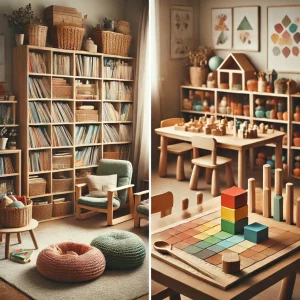
Parents can easily integrate Montessori principles into their household routines. Creating a prepared environment involves offering materials and activities suited to your child’s developmental stage, and ensuring that they are accessible. This could mean having a designated play area with various learning materials or giving your child the freedom to choose when and how to undertake their tasks.
Independence through Encouragement
If your child is struggling with independence, the Montessori way could provide clarity and direction. For example, Sally, a mother of two, found that her oldest daughter, Mia, often became frustrated when attempting to tie her shoes. Instead of doing it for her, Sally began to use tools and materials from Montessori principles, demonstrating the process step-by-step and providing Mia opportunities to practice without pressure. Over time, Mia not only learned how to tie her shoes but also developed a mindset of perseverance and problem-solving.
Benefits of Montessori Education
Montessori education has numerous benefits. Children in Montessori settings tend to develop strong social skills, emotional resilience, and a love for lifelong learning. The self-directed nature of the approach fosters intrinsic motivation; kids become excited about exploring new ideas and concepts. Furthermore, mixed-age classrooms create a community where children learn from one another, allowing for valuable mentorship opportunities.
Montessori’s Global Reach
Montessori education has made a significant impact worldwide. Across various cultures and education systems, the pedagogía Montessori serves as an adaptable framework that can support children’s diverse needs, catering to various learning styles. This adaptability is what makes the philosophy appealing to parents seeking quality education options.
Finding Montessori Resources
For families just starting their Montessori journey, the Montessori Maria website has curated resources and guides to help parents navigate this transformative educational approach. From understanding the foundational principles of Montessori, to finding local schools, our platform offers comprehensive support. Don’t hesitate to explore our AI assistant, MarÍA, who is specially designed to help with Montessori methodology queries.
Encouragement for Parents
As you explore options for your child’s education, consider how Montessori’s principles can influence your parenting too. The idea of promoting independence, fostering curiosity, and creating a safe learning environment can enhance your relationship with your child and their overall development. Remember, the journey of learning is not a race, and every child’s path is unique.
Supportive Community
Joining a community of like-minded families—whether through local Montessori schools or online forums—can provide support and insightful exchanges of experiences. Engaging in dialogue with other parents can pave the way for new ideas and reinforce your commitment to the Montessori philosophy.
Conclusion: A Lifelong Journey
In summary, embracing the Montessori method means embarking on a lifelong journey of education, growth, and self-discovery for both you and your child. It’s about nurturing their natural curiosity and fostering their independence while providing tailored support along the way. For further information, be sure to visit the Montessori Maria website for additional resources, guides, and the latest articles in the world of Montessori. Together, let us champion an enriching educational path for our children!