Introduction
In today’s increasingly busy world, parents are constantly searching for the best educational options for their children. Phrases like “Montessori near me” or “Montessori school near me” are searched by families looking for guidance and support in navigating the many educational philosophies available. Enter the Montessori Method, a holistic approach to learning that fosters independence, resilience, and a love for lifelong learning. Our website features a useful Montessori locator tool that enables parents and caregivers to find Montessori programs in their area, making the journey to discovering this transformative pedagogy simpler and more accessible.
Home Environment
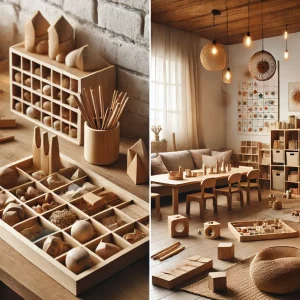
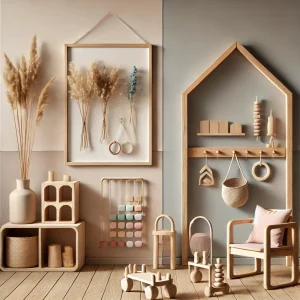
Creating a Montessori-inspired home environment is essential for nurturing your child’s development. The philosophy emphasizes providing children with an environment that supports their autonomy and encourages exploration. A simple yet effective way to achieve this is by adapting your child’s spaces at home. For example, your kitchen can become a Montessori-inspired area where your child is allowed to engage in age-appropriate tasks, such as washing vegetables, pouring water, or preparing simple meals. This not only fosters independence but also strengthens their practical life skills.
Adjusting Shelves for Independence
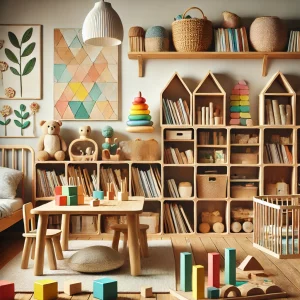
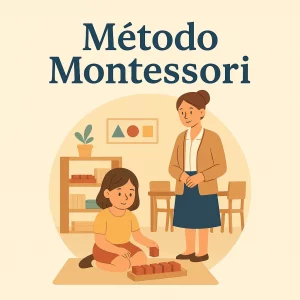
One significant aspect of the Montessori Method is how the physical space is organized. For instance, consider how a teacher might adapt classroom shelves to facilitate children accessing their materials independently. You can replicate this in your home by setting up low shelves stocked with books, art supplies, and educational toys that your child can reach without assistance. This autonomy encourages children to select their activities, fostering both confidence and self-regulation.
Creating a Dedicated Learning Space
Additionally, having a designated learning space in your home can further enhance your child’s desire to learn. This might include a table with items like puzzles, books, or building blocks, organized neatly to promote focus. Introduce materials that align with Montessori principles, such as sensory bins or hand-dipped beeswax crayons. This type of environment sends a clear message to children about the importance of learning and allows them to engage in self-directed exploration.
School Environment
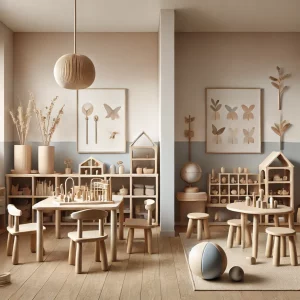
The school environment is equally crucial in Montessori education. In a Montessori classroom, children are often grouped in mixed-age settings that promote mentorship and peer learning. Teachers act as guides rather than traditional instructors, allowing students to take charge of their own learning journeys. This approach not only fosters collaboration but also helps children develop essential social skills.
Teacher’s Role in the Classroom
Consider how a Montessori teacher might adapt the learning materials on display. By observing each child’s interests, the teacher can introduce specific learning tools that align with their developmental stage, ensuring that each child is challenged yet capable of succeeding. For example, a teacher may notice a child displaying an affinity for numbers and subsequently introduce counting games or building blocks with numerical representations, thus catering to that child’s unique developmental needs.
Encouraging Emotional Growth
Furthermore, the Montessori approach places a heavy emphasis on emotional growth. Children are encouraged to express their feelings and develop self-regulation. Activities like conflict resolution discussions promote mutual respect and responsibility in social interactions. Imagine a child learning to navigate a disagreement with a peer with the guidance of their teacher, who facilitates the conversation rather than intervening directly. This prepares children for respectful and constructive interactions in their future.
Emotional Development
Emotional development is a central tenet of Montessori education. Children need to be taught how to understand and manage their emotions effectively. Implementing Montessori principles in everyday situations can offer pathways for this critical growth. Parents might create opportunities for children to express feelings and reflect on their emotions, making it a routine practice at home.
Implementing Reflection Time
For example, establishing a daily “reflection time” can be beneficial. This is a quiet time where children can sit with a journal or engage in a peaceful activity, allowing them to process their day and the emotions that came with it. Parents can encourage children to draw or write about their feelings, fostering a stronger emotional vocabulary. This practice also integrates elements of mindfulness, supporting children’s self-awareness and emotional resilience.
Behavioral Responses
Additionally, a Montessori environment fosters emotional intelligence by allowing children space to make choices. Imagine a scenario where a child, unsure about how to respond in a challenging situation, is allowed to pause, reflect on their options, and choose their response rather than being directed to react immediately. This skill encourages self-regulation and gives children the tools to handle emotional challenges as they arise.
Conclusion
In conclusion, Montessori education offers valuable lessons for both parents and educators alike. By creating nurturing home environments, fostering autonomy in school settings, and emphasizing emotional development, the Montessori Method equips our children with essential life skills. If you are interested in diving deeper into how Montessori can transform education for your child, check out our guía completa sobre la pedagogía Montessori and our introducción a la pedagogía Montessori for more insights.
Explore your options with the Montessori near me locator tool and discover how this revolutionary method can benefit your child’s journey. Remember, education is a powerful tool that can transform not just our children, but our society as a whole. Together, let’s pave the way for a brighter future for our children through the transformative power of Montessori education. For more information, visit Montessori Maria, and learn about our understanding Maria Montessori series, which sheds light on crucial aspects of this educational philosophy.