Introduction
In recent years, the surge in searches such as “Montessori near me” and “Montessori school near me” illustrates a growing global interest in accessible Montessori resources. Parents and educators alike are recognizing the benefits of the metodo montessori, which emphasizes child-led learning and independence. For those looking for local options, our website offers a Montessori locator to help you find schools and resources in your area, such as Montessori schools in Oberursel, Germany.
What is the Montessori Method?
Developed by Dr. María Montessori over a century ago, the Montessori method is an educational philosophy focused on the individual needs and interests of each child. The key principles of this method include respect for the child, fostering independence, and creating a prepared environment that stimulates learning. Educators act as guides, facilitating experiences rather than dictating them, allowing children to explore and learn at their own pace.
Key Principles of the Montessori Method
The Montessori method is underpinned by several core principles:
- Child-Centered Learning: Education should be tailored to the child’s developmental needs, emphasizing autonomy.
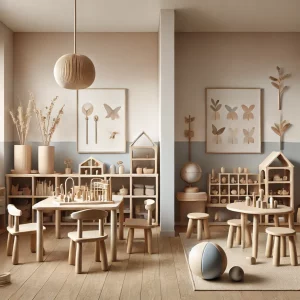
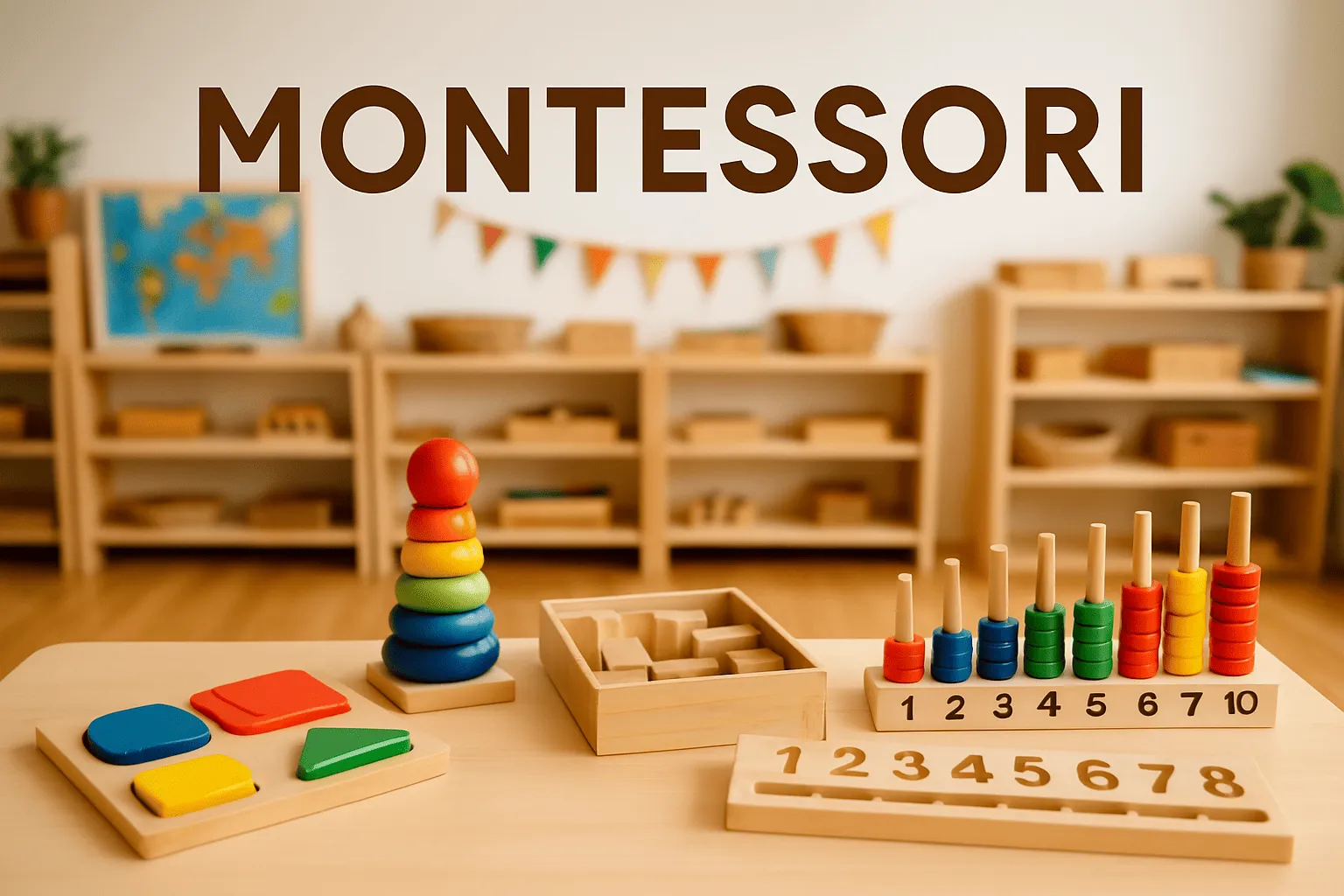
- Prepared Environment: The learning space is designed to encourage exploration, with age-appropriate materials accessible to children.
- Mixed-Age Classrooms: Older children often mentor younger ones, fostering a community of learning and collaboration.
- Hands-On Learning: Practical activities that engage the senses are emphasized, helping children connect concepts with real-world experiences.
Real-Life Examples of the Montessori Method
To better understand how the metodo montessori works in practice, let’s explore two real-life scenarios: a morning routine at home and a mixed-age classroom at school.
Morning Routine at Home
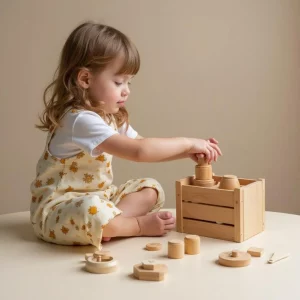
Consider a typical morning in a Montessori household. Rather than being told what to do, a young child may wake up and choose their own clothes from a designated section of their wardrobe. They might pour their cereal and milk independently, perhaps with some spillages along the way. This approach allows them to develop self-reliance and problem-solving skills in a supportive environment.
The parent, instead of taking over, might ask guiding questions: “What do you need to do next?” This method nurtures the child’s autonomy, helping them to feel empowered as they navigate their responsibilities. Such experiences are vital for instilling a sense of competence and confidence in children.
Mixed-Age Classroom Scenario
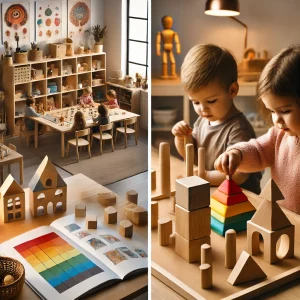
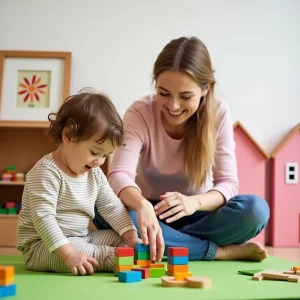
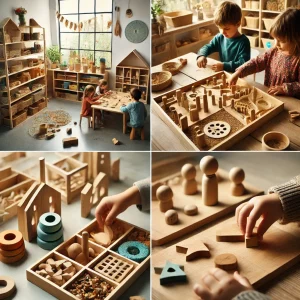
Imagine a Montessori classroom where children aged 3 to 6 years work together. One child who excels at building with blocks encourages younger classmates to join in. The mixed-age setting allows older students to reinforce their learning by teaching others. A 5-year-old might explain how to balance blocks, while a 3-year-old gains knowledge through observation and guidance.
This collaborative learning enhances social skills and fosters a sense of community, as each child contributes to the group. It creates a rich tapestry of learning experiences that respect individual developmental timelines.
The Role of the Educator in Montessori
In the Montessori method, the role of the educator is paramount yet distinct from traditional teaching practices. Instead of standing at the forefront of the classroom, teachers facilitate an environment conducive to learning, observing children, and intervening only when necessary. Their focus is on building relationships with students, understanding their needs, and tailoring experiences accordingly.
Educators guide children toward their interests by introducing materials and activities that align with their developmental stages. A deep understanding of child psychology is essential, as is the ability to create a nurturing environment. Through these practices, educators help implement the philosophy behind pedagogía Montessori effectively.
Conclusion
As interest in Montessori education grows, resources to understand and implement the metodo montessori become increasingly vital. For those curious to learn more about María Montessori and her legacy, you can read about María Montessori’s contributions to education.
If you are a parent or educator looking for specific guidance, visit our comprehensive guide to deepen your understanding of the method. Additionally, our latest articles explore various aspects, offering insights that cater to your questions, including “Montessori near me” resources.
Finally, for personalized support, consult our Montessori Maria website and its AI assistant MarÍA for tailored information and advice on implementing the Montessori method effectively.