Introduction to Montessori Pedagogy
Many families start their journey into alternative education by searching for “Montessori near me” or “Montessori school near me.” These searches often stem from a desire to provide a more holistic and child-centered educational experience for their children. If you’re one of those families, you may find it valuable to explore the Montessori near me locator available on our Montessori Maria website, which offers resources and examples from various locations, including local insights such as Oberursel, Germany. This article aims to unpack the principles of Montessori pedagogy and how they can significantly impact learning.
Core Principles of Montessori Pedagogy
Montessori pedagogy revolves around several core principles that foster an optimal learning environment. These principles include the prepared environment, autonomy, observation, and sensory learning. Each of these aspects plays a critical role in creating a learning atmosphere that nurtures children’s natural curiosity.
Prepared Environment
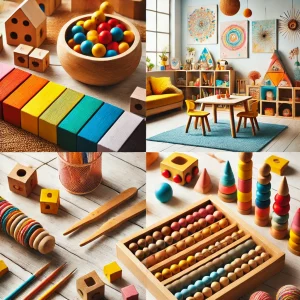
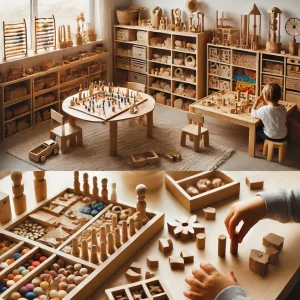
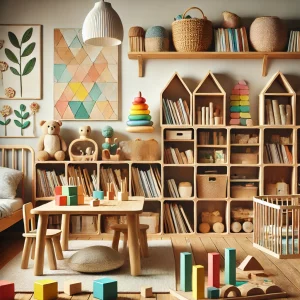
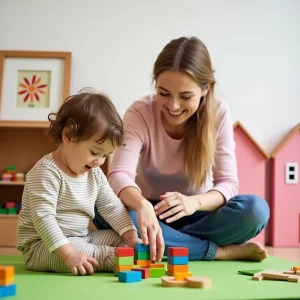
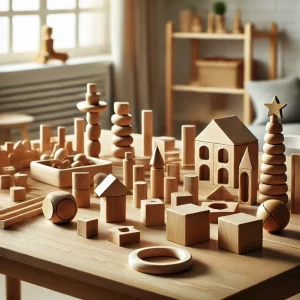
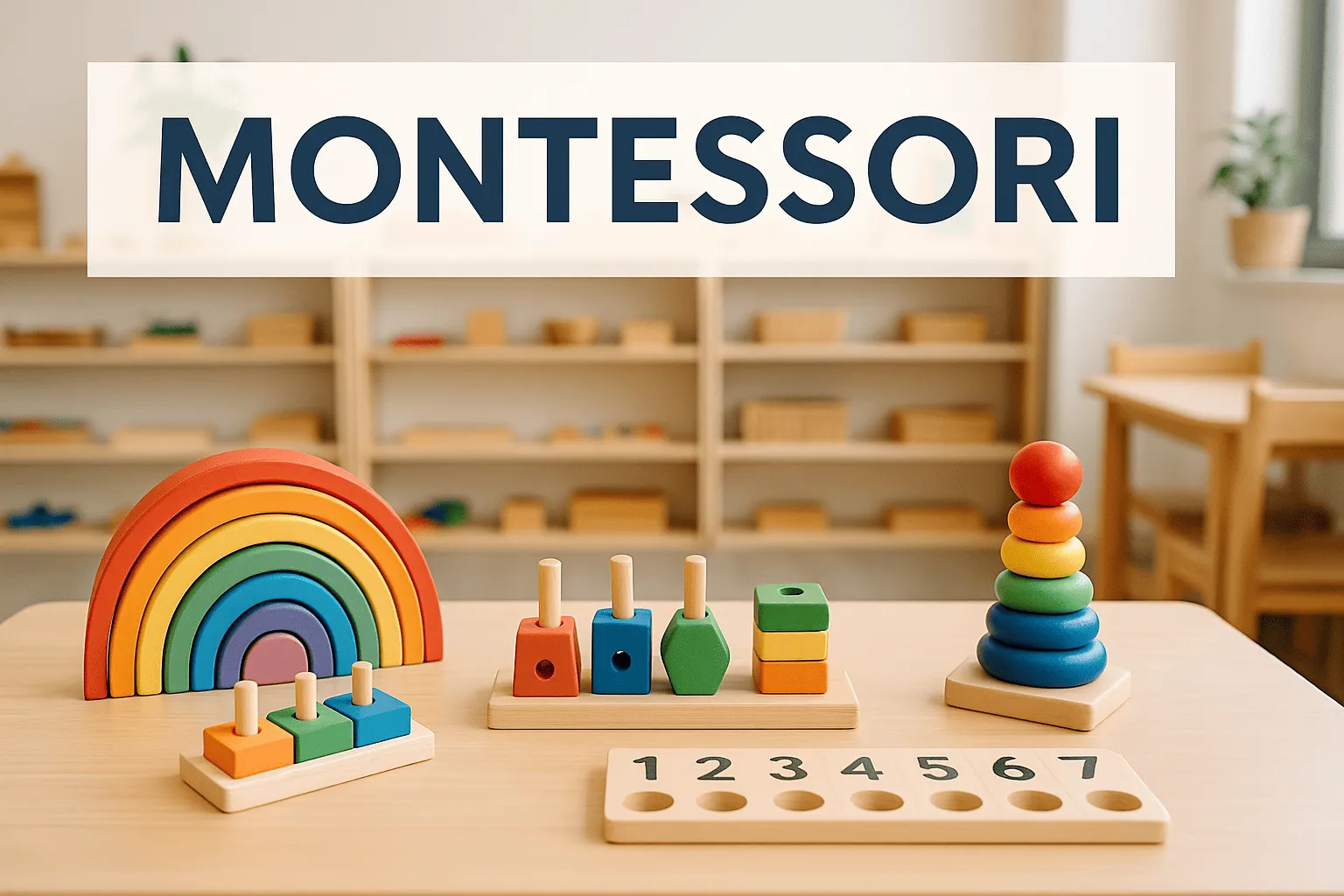
The prepared environment is a fundamental concept in Montessori education. This term refers to a thoughtfully arranged space that encourages independent exploration and learning. In a traditional classroom setting, a teacher may encounter a challenge with space. They can adapt their classroom to be more Montessori-friendly by organizing materials on shelves that are easily accessible. For example, instead of keeping textbooks on high shelves or behind the teacher’s desk, a successful adaptation would involve creating accessible learning areas where students can choose their tasks. This setup emphasizes the children’s right to choose and fosters a sense of autonomy.
Autonomy
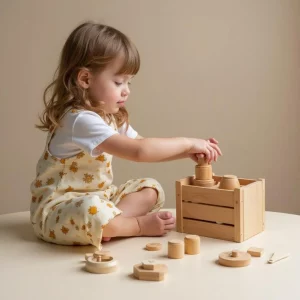
Autonomy is another crucial aspect of Montessori pedagogy. It allows children to make choices about their learning paths, igniting a natural desire to learn. Consider a student teacher planning their first Montessori environment: instead of dictating what children should learn each day, they might create a schedule where children have input in selecting their activities based on their interests. This approach nurtures independent thinkers and problem solvers, allowing children to take ownership of their education.
Observation
Observation is a tool used by Montessori educators to understand each child’s individual needs and interests. It enables teachers to assess when to intervene and when to allow a child to explore independently. A practical example of this might be a teacher observing how a child engages with a new sensory material. If they notice that a child is particularly captivated by sorting objects by texture, the teacher can provide more materials that offer varied sensory experiences, effectively catering to that child’s interests.
Sensory Learning
Sensory learning involves understanding the world through the senses—touch, sight, sound, smell, and taste. In a Montessori environment, activities are designed to engage the senses. For instance, a traditional classroom’s art area can be transformed into a sensory studio. Instead of just using crayons or pencils, the teacher can provide different textured papers, paints, and tools that children can manipulate in various ways. This change not only makes learning more interactive but also enhances creativity and self-expression.
Implementing Montessori Principles in Various Settings
When considering implementing Montessori principles, it’s essential to think beyond formal educational settings. For parents supporting their kids’ learning at home, it’s just as critical to create a prepared environment. In your home, designate a learning corner equipped with age-appropriate materials that encourage autonomy. Here are some actionable steps parents can take:
Creating a Montessori-Friendly Home Environment
1. Accessibility: Organize learning materials so that children can reach them easily and independently. Place books, tools, and toys within their height level.
2. Active Engagement: Choose engaging, open-ended materials that can be used in multiple ways. This encourages children’s creativity and allows them to explore their interests.
3. Routine: Foster a sense of responsibility by involving children in daily chores. Creating routines for tidying up and organizing encourages autonomy and self-management.
Expanding Your Knowledge
For educators and teacher-training students looking to deepen their understanding of Montessori pedagogy, multiple resources are available. Consider reading our guía completa sobre la pedagogía Montessori or our introducción a la pedagogía Montessori for comprehensive insights. These materials cover everything from the historical background of María Montessori to practical teaching strategies.
Continuous Learning and Adaptation
Implementing Montessori pedagogy is not a one-size-fits-all approach. It requires continuous learning, adaptation, and willingness to observe how children interact with their learning environment. As practitioners, whether parents or educators, we must embrace flexibility and creativity in our methods. This ongoing adaptation enriches the educational experience and can significantly affect a child’s love for learning.
Resources for Educators and Parents
As you embark on this journey, consider exploring additional resources that can support you in your Montessori endeavor. For a detailed guide, check out our comprehensive guide, or dive into articles focused on understanding Montessori from various angles, such as Understanding María Montessori and Understanding Montessori for Holistic Education. Each of these resources provides valuable insights that keep you informed as you adapt Montessori methods in different settings.
Conclusion
Montessori pedagogy offers a transformative approach to education that promotes a love for learning through autonomy, sensory engagement, and thoughtfully prepared environments. Whether you’re a parent searching for a Montessori school or an educator planning a new learning space, remember that your journey starts with understanding the unique principles of this educational method. For more information and resources, please explore our various articles at the Montessori Maria website. Together, let’s foster environments that cultivate curiosity and a lifelong passion for learning.