Introduction
In today’s fast-paced world, many families search for “Montessori near me” or “Montessori school near me” as they seek guidance for their children’s education. The Montessori method, pioneered by Maria Montessori, emphasizes child-led learning and independence, making it an appealing choice for modern parents and educators. Our website provides a Montessori locator and helpful guides to assist families in finding the right Montessori environment. We will delve into the life and legacy of Maria Montessori, practical applications of her principles, and resources available on the Montessori Maria website.
Biographical Background
Maria Montessori was an Italian physician and educator born in 1870. She became the first woman to graduate from the University of Rome Medical School, paving the way for her groundbreaking work in early childhood education. Throughout her career, Montessori observed children and developed methods that respect their innate desire to learn. By creating environments where children could explore and discover at their own pace, she laid the foundation for what is now known as the Montessori method.
The Montessori Method: Core Principles
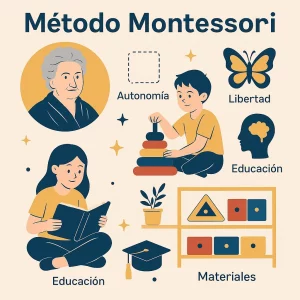
The Montessori method is rooted in several core principles, including respect for the child, the prepared environment, and self-directed activity. This approach fosters independence and encourages children to take charge of their own learning. For parents and educators interested in embracing these principles, understanding pedagogía Montessori is crucial. Implementing these practices can transform traditional educational environments into spaces that nurture curiosity and creativity.
Practical Real-Life Examples
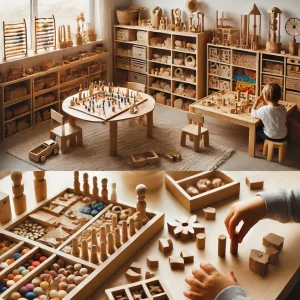
Consider a teacher who is reorganizing their classroom based on Montessori principles. Instead of traditional desks arranged in rows, the teacher creates functional work areas where children can engage with materials at their own level. Shelves filled with hands-on learning activities invite students to explore and choose their tasks, promoting autonomy.
On the home front, parents can echo these principles by preparing their child’s room for independence. This might involve setting up a small kitchen area where a toddler can safely engage with food prep or creating a designated space for arts and crafts where materials are easily accessible. Such modifications not only foster independence but also empower children to make choices in their daily activities.
Finding Montessori Resources
As parents and educators navigate the world of education, seeking out Montessori resources can be invaluable. If you are in search of education options or merely want to understand Montessori better, check out our comprehensive articles on the understanding Montessori series. These resources provide a detailed look into how the method can be applied in both home and school settings.
In the Classroom
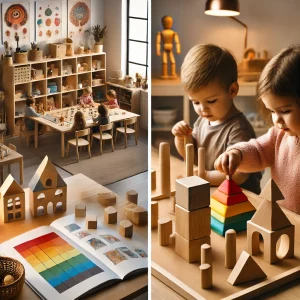
In one real-life example, an educator observed children in her classroom struggling with a math concept. Applying Montessori principles, she introduced hands-on materials—like counting beads and number cards—allowing students to manipulate and engage with the concept practically. This not only clarified their understanding but also fostered a love for learning that traditional methods had not achieved.
At Home
Similarly, a parent noticed their child’s frustration with bedtime routine tasks. By incorporating Montessori-inspired changes—like a nightstand that allowed easy access to the pajamas and a book—bedtime became a delighted experience rather than a struggle. These small adaptations empower children to take control of their daily tasks, introducing a sense of responsibility.
Creating a Montessori Environment
Designing an environment that encourages Montessori principles does not have to be complicated. Classroom and home spaces can be modified using simple principles. Use low furniture, accessible shelves, and natural materials to create inviting spaces for children. This environment should be responsive to children’s developmental stages, promoting independence and learning.
The Future of Montessori Education
As interest in Montessori education continues to grow, many are turning to online resources for guidance. Families wishing to explore the Montessori approach can benefit from expert insights available on the Montessori Maria website. Additionally, our AI assistant, MarÍA, can provide personalized support in navigating the wealth of information available, answering your questions about the Montessori approach and helping tailor it to your needs.
Conclusion
In summary, the legacy of Maria Montessori is alive and thriving in the education system today. By embracing the principles of the Montessori method, both parents and educators can foster environments that promote independence, respect, and a love for learning. Whether you are looking for a “Montessori near me” or wanting to implement Montessori practices at home, numerous resources await you. Visit the Montessori Maria website to learn more and join the growing community committed to transformative education practices.
More Resources
For further reading on the subject, check out articles on understanding Maria Montessori, applicable methodologies, and practical setups at home and in the classroom. Each resource aims to enlighten and empower parents and educators in their quest for effective early childhood education. Explore more at Montessori Maria.