Introduction: The Search for Montessori
In today’s educational landscape, many families are searching for “Montessori near me” or “Montessori school near me” when considering educational options for their children. This reflects a growing interest in the Montessori method, an approach that emphasizes independence, curiosity, and respect for a child’s natural development. At Montessori Maria, we provide a Montessori locator and helpful guides to assist families in their search for quality Montessori education.
A Brief Biography of María Montessori
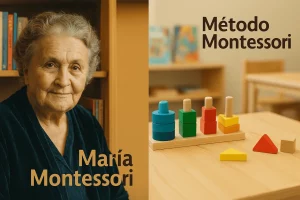
María Montessori was an Italian physician and educator best known for developing the Montessori method of education. Born in 1870, she was the first woman in Italy to earn a degree in medicine. Her work began in the early 1900s, focusing on the education of children with disabilities. Montessori quickly recognized that traditional educational methods did not meet the needs of children. Her unique approach emphasized hands-on learning, freedom of choice, and the importance of the prepared environment, which led her to establish the first Montessori school, Casa dei Bambini, in 1907.
The Core Principles of the Montessori Method
The Montessori method is built on several core principles that guide the educational approach. Central to this is the belief that children learn best in environments that support their natural curiosity and independence. Key elements include:
- Child-Centered Learning: Children are encouraged to learn at their own pace and follow their interests.
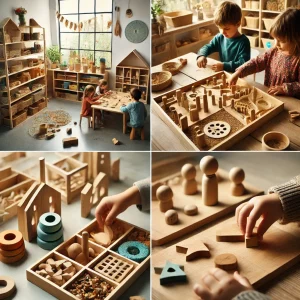
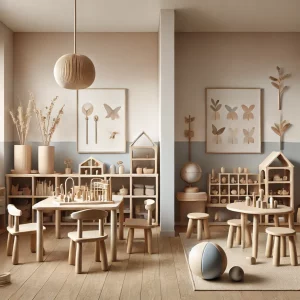
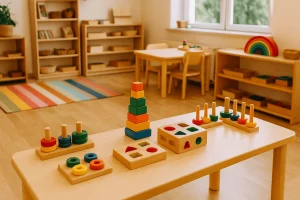
- Prepared Environment: Classrooms are designed to facilitate exploration and independence.
- Mixed Age Groups: Children learn from one another in a collaborative atmosphere.
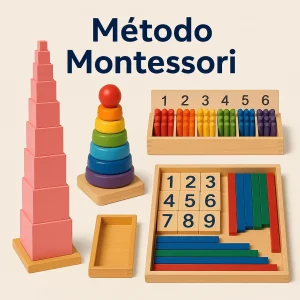
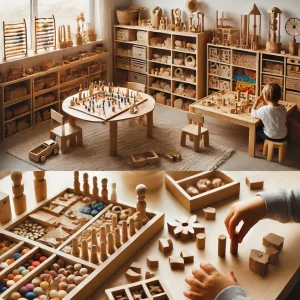
- Hands-On Learning: Concrete materials are used to teach abstract concepts.
Practical Applications of Montessori Principles
As educators and parents strive to understand and implement Montessori principles, it can be helpful to see these concepts in action. For instance, a teacher may reorganize their classroom to better reflect the Montessori approach. This could involve creating defined areas for different types of activities, such as reading, art, and science, and ensuring that materials are accessible to children.
Similarly, parents preparing a child’s room for independence might incorporate Montessori principles by ensuring that clothing is accessible, using low shelves for toys, and creating a space where children can engage in self-directed activities. Doing so fosters autonomy and allows children to take charge of their own learning.
Finding Montessori Solutions for Your Family
Families looking for Montessori education often feel overwhelmed by the choices available. This is where our Montessori locator can be invaluable. By entering your location, you can easily find nearby Montessori schools and resources that align with your educational philosophy.
Implementing Montessori at Home
Implementing the Montessori approach at home doesn’t require a complete overhaul of your living space. Small changes can significantly impact a child’s personal development. For example, setting up a routine where children have specific tasks they are responsible for helps cultivate a sense of responsibility and independence.
In addition, you can introduce more hands-on learning opportunities at home. Activities like gardening, cooking, or simple crafts can encourage children to engage their senses while learning new skills. Understanding these aspects of the Montessori method empowers parents and educators to create meaningful experiences for children.
Embracing Montessori in the Classroom
Educators interested in incorporating Montessori principles into their classrooms should consider extensive training on the methodology. Professional development allows teachers to create a supportive environment that aligns with Montessori philosophy. This can involve actions such as fostering collaborative learning, encouraging self-guided activities, and utilizing specific Montessori educational materials.
Challenges and Misconceptions
Despite the success of Montessori in many educational settings, misconceptions about the method still exist. Some believe that Montessori education lacks structure or discipline, while others assume it is just about play. In reality, the Montessori method is highly structured but allows for flexibility and respect for a child’s natural development. Educators who have fully adopted the methodo Montessori can help dispel these myths by showcasing the profound impact that this approach can have on children’s learning and overall development.
Resources for Families and Educators
At Montessori Maria, we offer various resources for families and educators looking to embrace Montessori methods. From informative articles on Montessori pedagogy to practical guides for implementing this educational philosophy, there is a wealth of information available. Recent articles such as A Comprehensive Guide to Montessori Education and Understanding the Montessori Method provide insights to support informed decisions.
Connecting with Others
Engaging with other parents and educators who share an interest in Montessori can also enhance your understanding and practice of this method. Participating in local Montessori communities or groups can lead to enlightening discussions, resource sharing, and network building. Our AI assistant, MarÍA, is available to help answer questions and guide you through resources on the Montessori Maria website.
Conclusion
As more families and educators seek alternatives to traditional education, the interest in Montessori continues to grow. Understanding the philosophy and practical applications of the pedagogía Montessori empowers parents and educators to create environments that foster a lifelong love of learning in children. By pursuing resources and support in your local communities, you can join the Montessori movement and help shape the future of education for your child or students.